



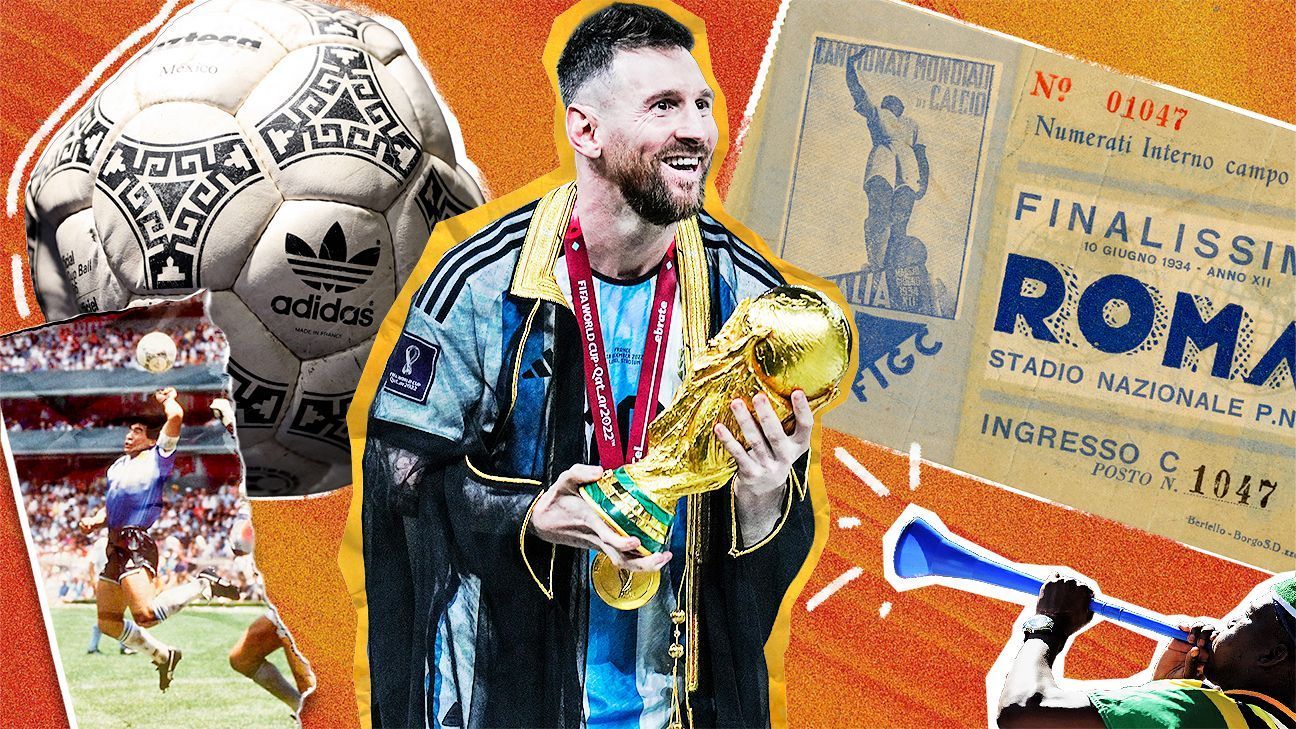
FIFA has decided to keep the details under wraps, but following each match of the upcoming 2026 World Cup this summer, the organization will be gathering items for future archival purposes. Among its prized possessions are the net from the 2018 World Cup final and the tracksuit worn by Pelé during his first World Cup in 1958.
These artifacts are housed in FIFA’s museums worldwide, including locations in Vancouver, Miami, Zurich, and Hong Kong. However, there are many notable items that FIFA has yet to acquire, such as Ronaldinho’s Brazil jersey from the famous free-kick against England in 2002, and Mario Götze’s boot that secured Germany’s victory in the 2010 final.
Soccer memorabilia can sometimes be found in the most unexpected places.
A remarkable item connected to this history is Pelé’s 1970 World Cup winners’ medal, which surprisingly resides not in Rio de Janeiro as one might assume, but at Saracens Rugby Club in North London, among a notable collection of sports artifacts.
As we delve deeper, we can recount the legacy of the past 22 World Cups through 22 significant memorabilia pieces.
1930 – Ball from the Second Half of the World Cup Final
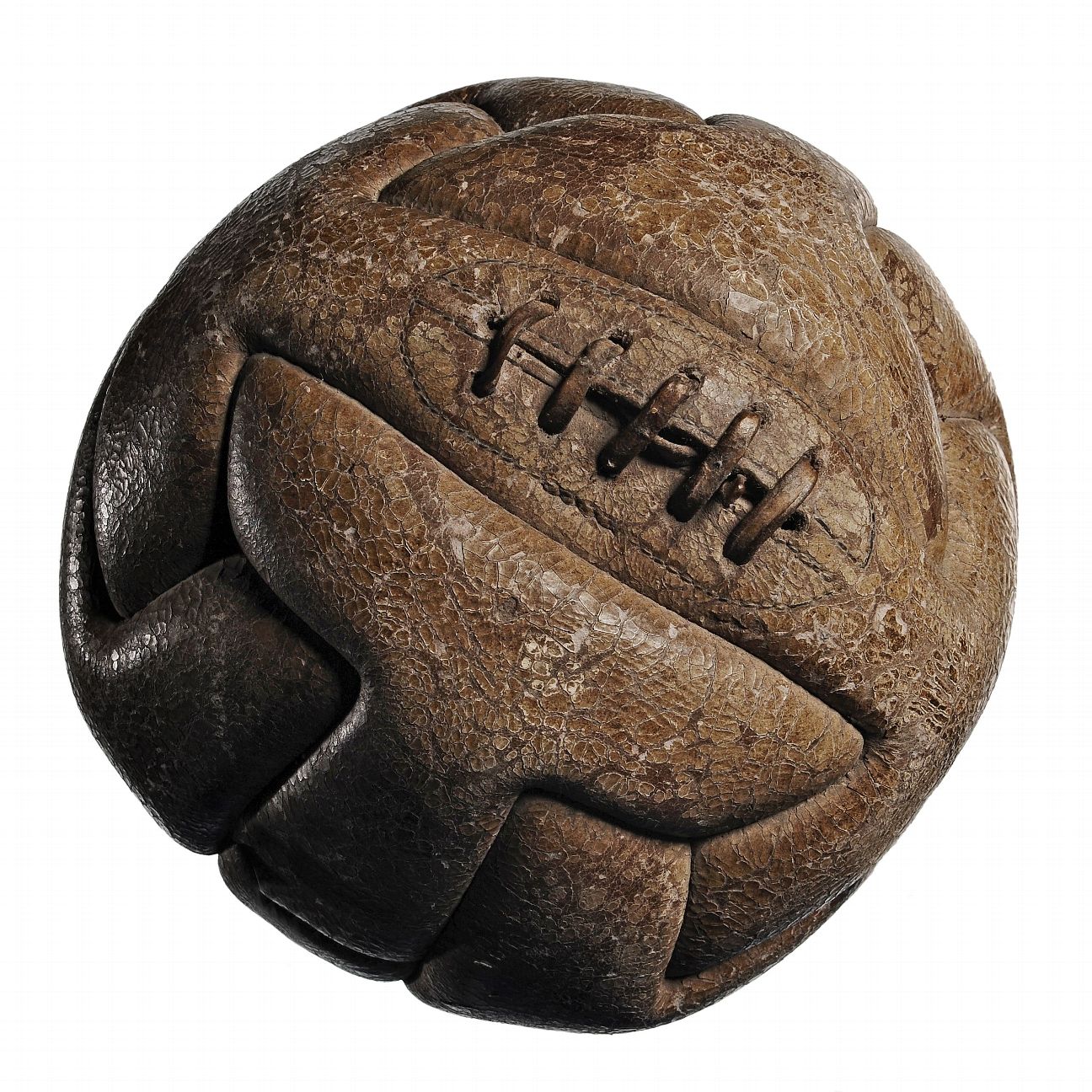
Photo credit: Allianz Collection, Saracens
The chaotic essence of the inaugural World Cup is encapsulated in the ball used during the final. FIFA had allowed Argentina and Uruguay to utilize their own balls throughout the tournament, but a decision was needed for the final. The compromise: Argentina’s ball was used in the first half, followed by Uruguay’s for the second half.
The outcome might not have been surprising: Argentina led 2-1 at halftime with their ball, yet Uruguay came back to win 4-2, claiming the first-ever World Cup trophy—a gold-plated figure of the Greek goddess Nike, originally titled “Victory,” later renamed in honor of FIFA President Jules Rimet in 1946.
There’s speculation that Argentina’s ball was used throughout the match, but no one—FIFA’s historians included—can confirm for certain.
Current location: It is displayed in a glass cabinet at Saracens Rugby Club in North London, as part of the Allianz Collection owned by club owner Nigel Wray.
1934 – Ticket to the World Cup Final
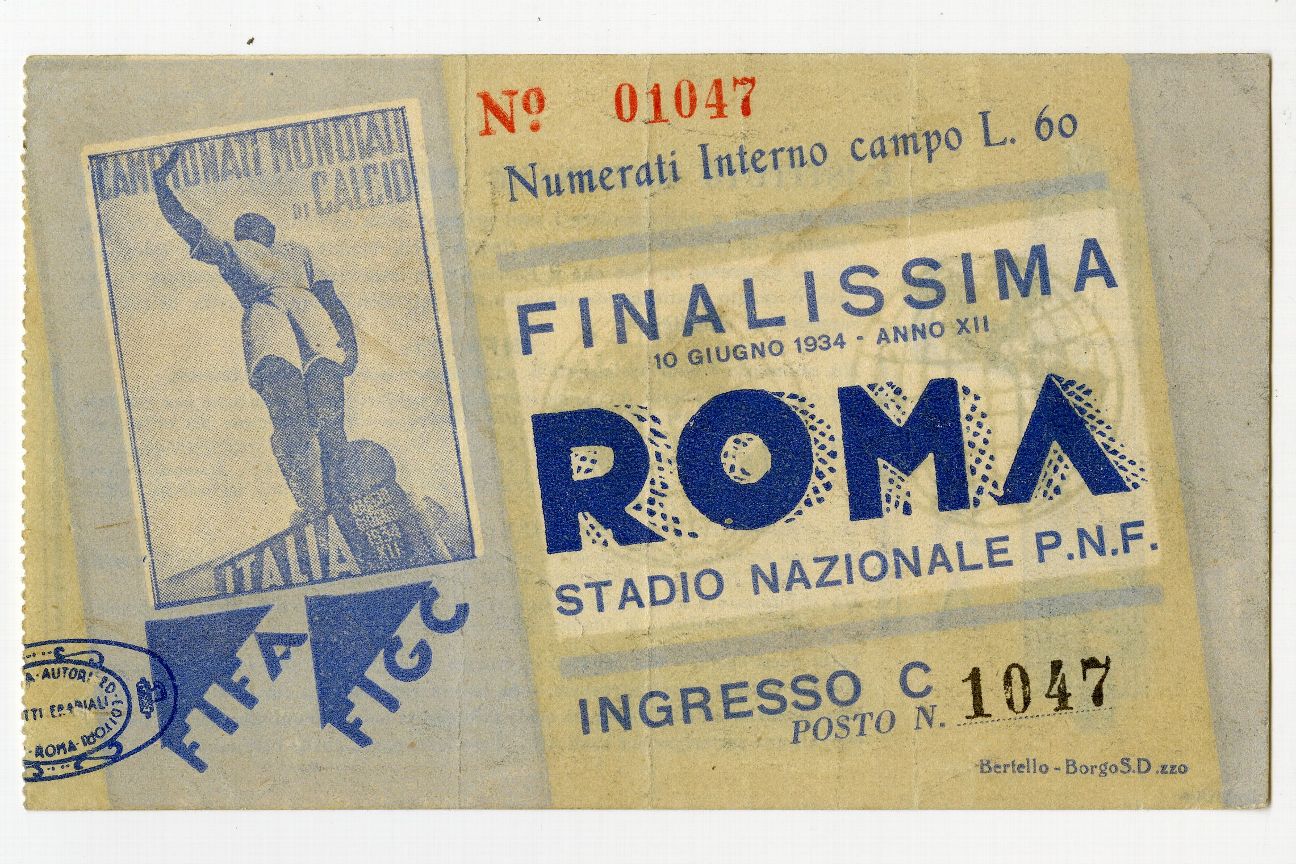
Photo credit: Matteo Melodia
Matteo Melodia, an avid soccer ticket collector, possesses one of the world’s most impressive collections, having previously owned around 60,000 tickets before honing it down to 7,000. He has tickets from nearly every World Cup match and even those from games that never occurred. His most prized items are the tickets from the 1934 World Cup semi-finals and finals.
Hosted by Italy, that tournament featured a round-of-16 bracket and saw Italy advance after defeating teams like the United States 7-1. They triumphed over Spain and Austria before meeting Czechoslovakia in the final, where they claimed victory 2-1 after extra time. Only three or four tickets from that final are thought to still exist, one belonging to Melodia.
“Tickets are incredibly rare,” Melodia shared with ESPN. “Most people throw them away after a game—they aren’t something you typically keep, unlike pins or postcards.”
Current location: Melodia keeps the final ticket at his home while still searching for the ticket to Czechoslovakia’s semifinal win over Germany, which remains the only one missing from his collection.
1938 – Base Plate of the Jules Rimet Trophy
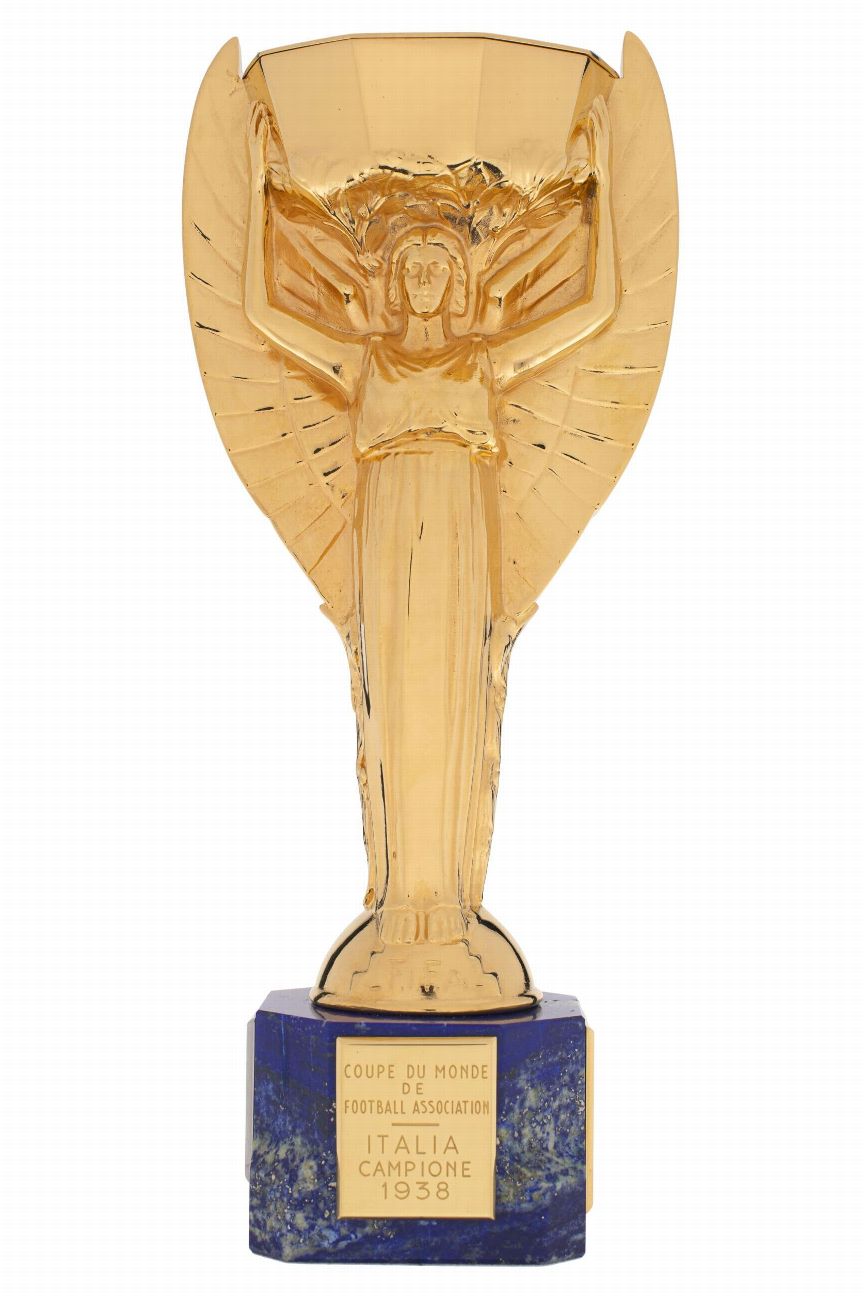
Photo credit: FIFA Museum
Italy became the first nation to win back-to-back World Cups in 1938, defending their title in France and etching their name onto the Jules Rimet base plate for a second time after defeating Hungary 4-2 in a one-sided final. However, a captivating story surrounds the trophy’s survival after the 1939 outbreak of World War II.
The trophy was kept in a bank vault in Rome until Italy’s president was overthrown in 1943, leading to fears that the Nazis would seize it. Italian FA president Ottorino Barassi clandestinely smuggled the trophy out, hiding it in a shoebox under his bed, then sent it to relatives in Foggia, where it was concealed in a wooden drum for olive oil.
The Jules Rimet trophy returned to FIFA in 1950, though it went missing multiple times: in 1966, it was famously retrieved by a dog named Pickles after being stolen in England, and it was permanently lost in 1983 when stolen from the Brazilian federation’s offices.
Surprisingly, in 2015, a FIFA employee discovered the long-lost base plate in the Zurich headquarters’ basement. Museum creative director David Ausseil called it “like finding an Egyptian mummy,” emphasizing its priceless nature.
Current location: Displayed at the FIFA Museum in Zurich, the base plate features only two names: Uruguay (1938 and 1950) and Italy (1934 and 1938). The original trophy top remains unaccounted for, believed to have been melted down.
1950 – Goalposts from the World Cup ‘Final’
The World Cup experienced a 12-year hiatus due to World War II, returning in 1950 with Brazil hosting. Regarded as sacred by Brazil’s soccer enthusiasts, this edition was unique in that it didn’t culminate in a traditional final.
The format involved four groups, with the winners competing in a final round. Brazil dominated the tournament, netting 21 goals over five games, leading to a decisive matchup against Uruguay at the Maracanã Stadium in Rio de Janeiro to determine the champion.
With every reason for confidence—Brazil had defeated Uruguay 5-1 just a year earlier—local media even prematurely declared Brazil champions. Unfortunately for Brazilian fans, the match ended differently than expected.
Amidst an official attendance of 199,850—the largest documented crowd for a soccer match—Brazil took an early lead after halftime. However, Uruguay equalized in the 66th minute and claimed victory 2-1 when Alcides Ghiggia’s shot went under goalkeeper Moacir Barbosa.
Barbosa bore the brunt of the blame for the loss, playing only once more for the national team and later being banned from the dressing room to avoid being perceived as a jinx.
After retiring in 1963, Barbosa was gifted a piece of the goalposts from that fateful match, but still haunted by the defeat, he burned the wood he received in his barbecue pit.
Current location: Burnt beyond recognition.
1954 – Helmut Rahn’s Jersey
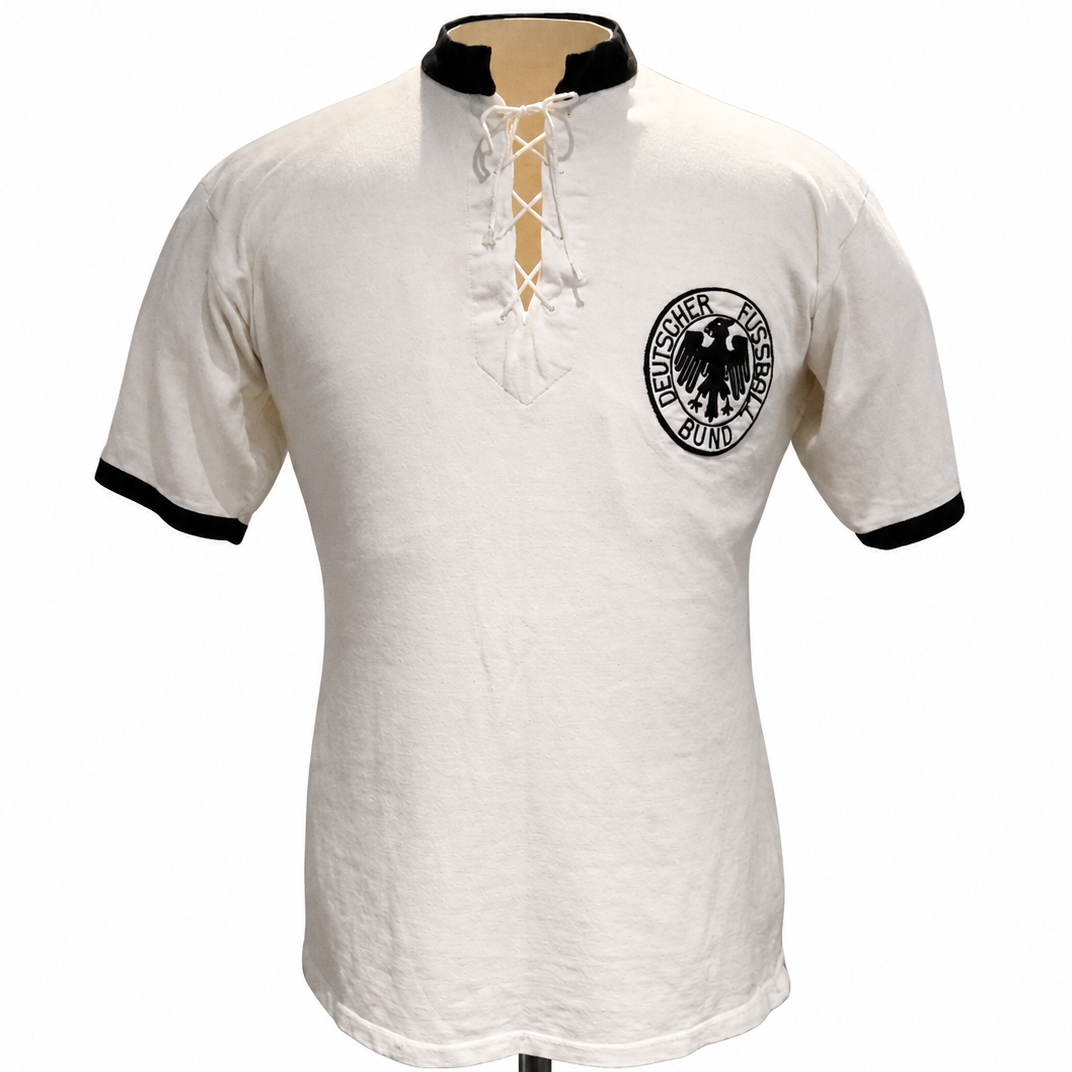
Photo credit: German Football Museum
West Germany’s players didn’t fully grasp their monumental achievement until days after the 1954 final in Bern, Switzerland, where they faced Hungary—an unbeaten team boasting the world’s best player, Ferenc Puskás. When Hungary scored two goals within the first eight minutes, doom seemed inevitable.
However, Germany staged a remarkable comeback, with midfielder Max Morlock halving the deficit in the 10th minute, followed by Helmut Rahn equalizing shortly after and netting the decisive third goal in the 84th minute. Germany emerged victorious, claiming their first World Cup title.
“There was disbelief as we entered the dressing room. The mood was somber,” said Horst Eckel, the longest-surviving West Germany player. “Then our coach snapped us back into reality: ‘We’ve beaten Hungary. We are world champions, let’s celebrate!'”
The impact of the triumph on post-war Germany was profound, often viewed as a pivotal moment in the nation’s psyche. The players realized the magnitude of their success on the train ride home, as Germans congregated on the railway tracks to celebrate, presenting gifts and acknowledgments.
Current location: Rahn’s jersey is exhibited at the German Football Museum in Dortmund, conveniently located just 30 minutes from his hometown of Essen.
1958 – Pelé’s Radio
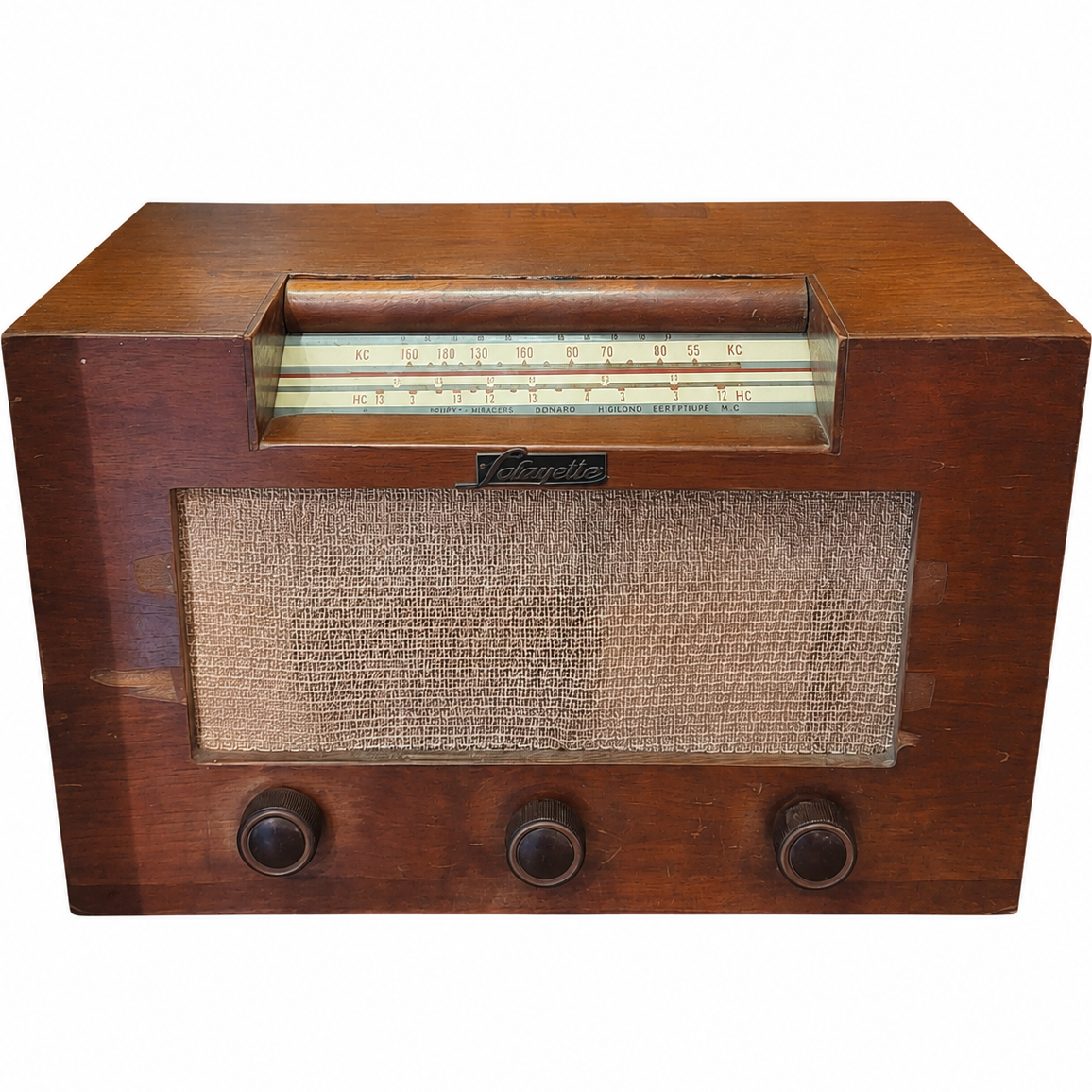
Photo credit: Museu Pelé
No player has come to symbolize a World Cup quite like Pelé did in 1958. Just 17 years old at the time, he was astounded when his manager Vicente Feola informed him of his selection for the Brazilian squad. He recounted in a 2018 documentary, “When my father came home and told me I was picked, I thought there had been a mistake!”
Pelé had never traveled by plane and was preparing to depart for Sweden for the World Cup. The Brazilian delegation, unsure of the Swedish climate, supplied their players with extra-thick tracksuits, blissfully unaware of the warm temperatures that typically hovered above 70°F during the summer months.
Pelé proved to be the star on the pitch, scoring in each of Brazil’s knockout matches, including a hat trick against France in the semifinals and two goals in a 5-2 win against Sweden in the final. He remains the youngest player to achieve World Cup victory.
Current location: The radio Pelé used during that tournament is now displayed at the Pelé Museum in Santos, São Paulo.
1962 – ‘MR. CRACK’ Ball
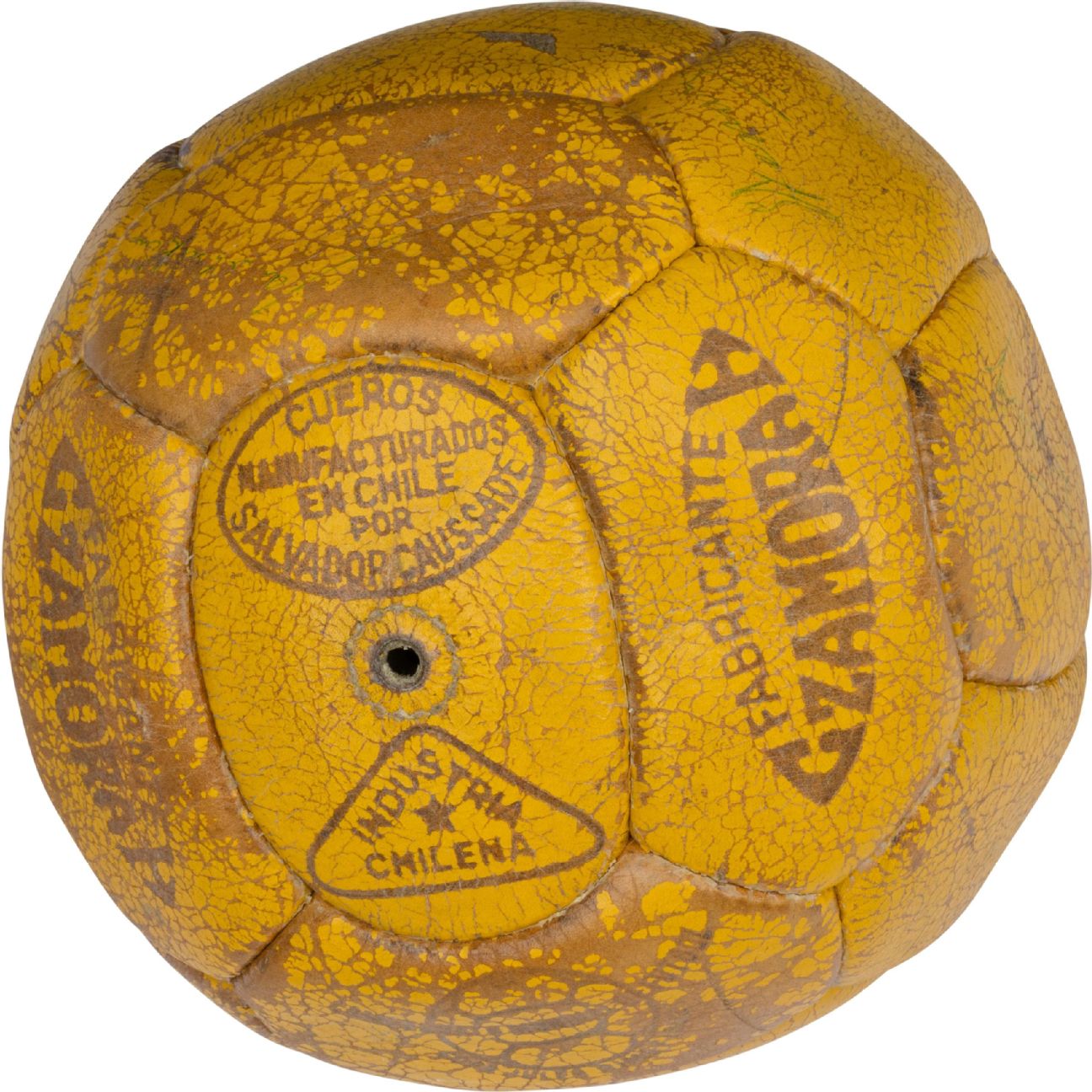
Photo credit: FIFA Museum
The 1962 World Cup in Chile highlighted its official ball, named “MR CRACK.” This marked the first time a World Cup ball gained as much notoriety as the tournament itself.
Crafted from 18 hand-sewn irregular panels, its design was innovative; however, numerous issues arose. Initially an appealing orange hue, it began fading after being used in matches, and it absorbed water, increasing its weight during play.
Rumor has it that during the opening match between Chile and Switzerland, referee Ken Aston opted to switch to a European ball for the second half. What is clear is that the “MR CRACK” ball wasn’t consistently used throughout the tournament.
Current location: FIFA has one “MR CRACK” ball from an Italian group stage match displayed in its museum in Zurich, though its specific match origin remains uncertain.
1966 – Geoff Hurst’s Final Jersey
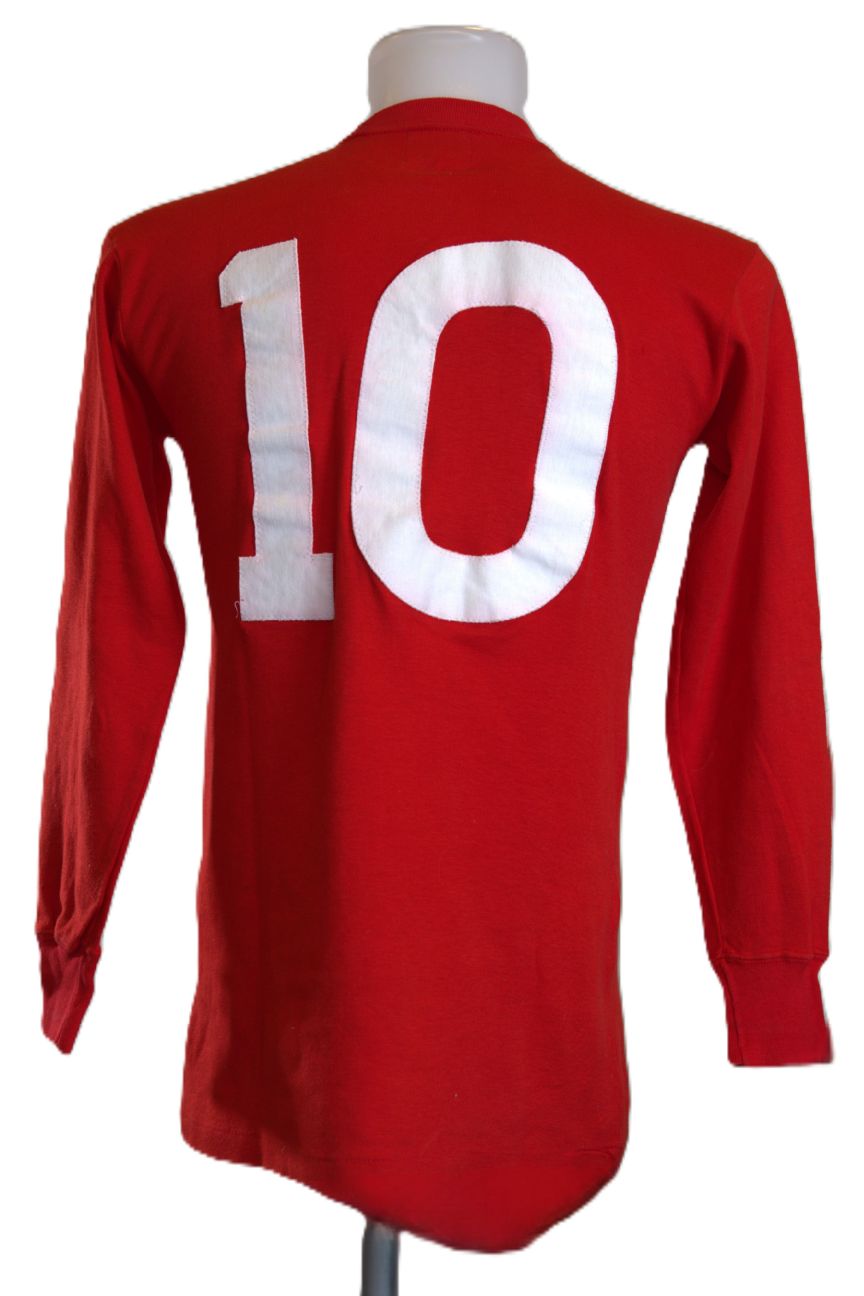
Photo credit: Allianz Collection, Saracens
An intriguing trend in early World Cups was the success of host nations. England’s 1966 squad reached the final in what many argue was the best final up to that point, ultimately defeating West Germany.
After falling behind to a goal from Helmut Haller, England struck back with Geoff Hurst’s equalizer. Martin Peters appeared to have scored the winning goal, only for Wolfgang Weber to equalize late in the game, taking the match into extra time.
In the extra period, Hurst scored twice, his first an iconic shot that ricocheted off the crossbar and allegedly crossed the goal line. As chaos ensued on the pitch, BBC commentator Kenneth Wolstenholme delivered the famous phrase: “Some people are on the pitch, they think it’s all over!” It indeed was as Hurst scored once more, securing his place in history as the only player to score a World Cup final hat-trick until Kylian Mbappé matched the feat in 2022.
Current location: Hurst’s jersey from that pivotal final can be found at Saracens Rugby Club.
1970 – Pelé’s Puma Kings
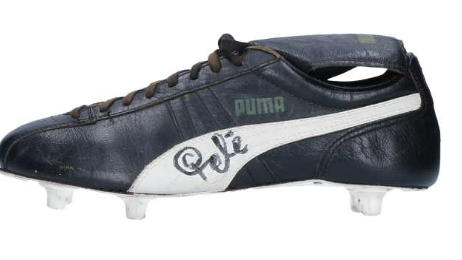
Photo credit: Puma
The 1970 Mexico World Cup is often remembered as the first modern tournament, showcasing vibrant colors and introducing features like red cards and substitutions. It also sparked a sneaker rivalry between Adidas and Puma, founded by feuding brothers Adolf “Adi” Dassler and Rudolf “Rudi” Dassler.
While there is a story claiming that both brothers made a “Pelé Pact” not to sign the Brazilian star, Pelé, feeling overlooked during their visit, ultimately signed a contract with Puma. During the final, Pelé would kneel to tie his laces in full view of cameras, debuting his Puma King boots to the world.
Current location: Pelé sold much of his memorabilia collection over the years, including his three World Cup medals. It’s believed that a pair of his Puma Kings from this tournament remain unsold, with one boot now featured at Puma’s headquarters in Herzogenaurach, Germany, gifted to a staff member by Pelé himself.
1974 – Gazzaniga’s Trophy Sketch
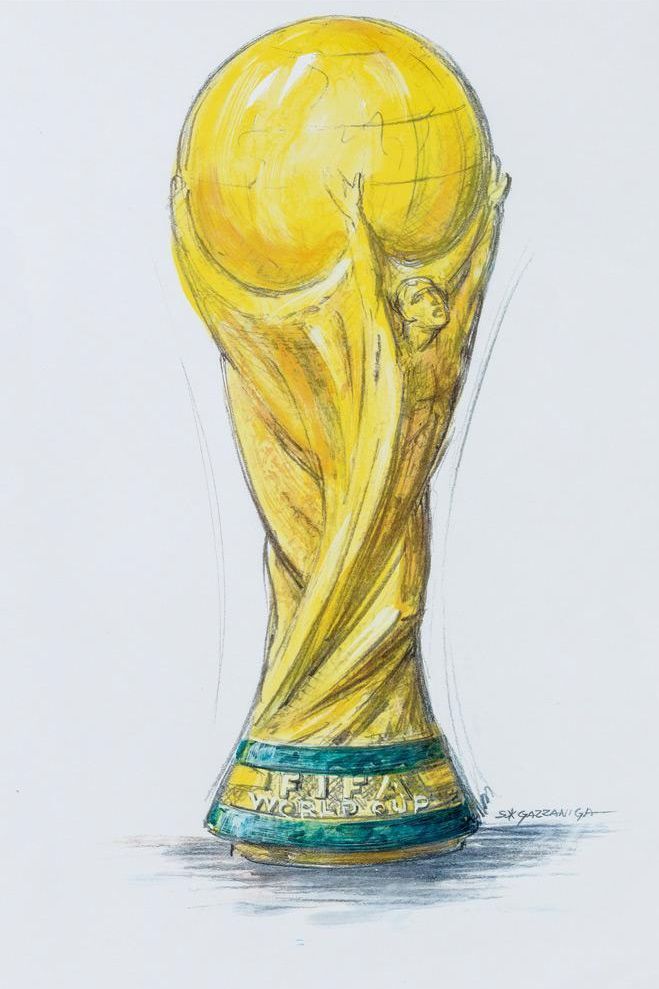
Photo credit: FIFA Museum
After Brazil secured their third World Cup title in 1970, FIFA honored its commitment to Jules Rimet by permanently transferring the trophy to the winning country. Subsequently, a replacement was needed, sparking a competition for design submissions.
Among 53 submitted designs, Italian sculptor Silvio Gazzaniga’s sketch stood out, featuring two golden human figures holding up the globe. Gazzaniga’s design was chosen, resulting in the iconic trophy still in use today.
West Germany became the first team to hoist the newly designed trophy in 1974. However, with only four spots remaining to engrave winners’ names, a new trophy is expected to be commissioned around 2038.
Current location: Gazzaniga’s original sketch is currently on display at FIFA’s pop-up museum at Rockefeller Center in New York City.
1978 – Mario Kempes’ Golden Ball
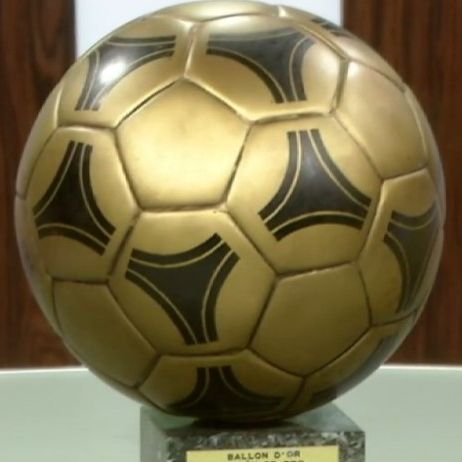
Photo credit: ESPNFrontRow
The 1978 World Cup was notable for multiple reasons: it marked Argentina’s first title victory, with Mario Kempes playing a significant role by scoring two goals in the final against the Netherlands. It also witnessed Kempes winning the inaugural Golden Ball award for best player of the tournament.
Recalling the final, Kempes cherishes the memory of ticker tape raining down from the stands. Unfortunately, his winners’ medal is lost; he claims to have misplaced it amid several moves throughout his life. He hopes FIFA will replace it during the upcoming World Cup.
Current location: Kempes’ Golden Ball is displayed at a soccer museum in Madrid, along with his shirt and boots from the final match.
1982 – Enzo Bearzot’s Pipe
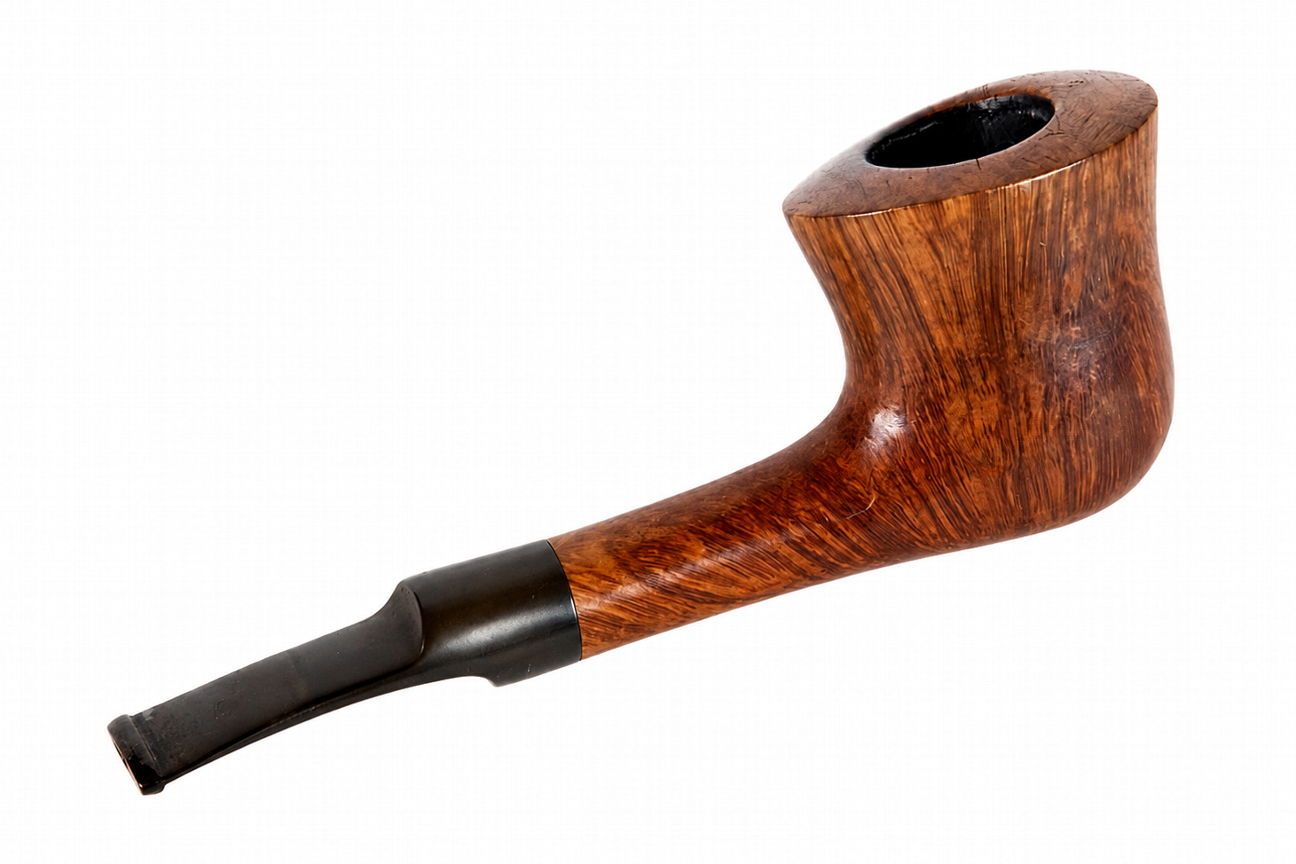
Photo credit: Calcio Museum
During the 1982 World Cup, Italy was not considered a favorite, particularly by its media. But Enzo Bearzot, the team’s coach—referred to as “Vecchio” (old man)—demanded his players find their rhythm.
Despite finishing second in the first group stage, he demanded a media blackout, indicating he would not speak to Italian journalists throughout the tournament. Italy’s critics were proven wrong as they rallied, ultimately defeating Brazil and Argentina in the knockout rounds, culminating in a satisfying 3-1 win over West Germany in the final, with Paolo Rossi shining with six goals across three matches.
Current location: Bearzot is honored with a dedicated exhibition at the Italian Football Museum in Florence that features his pipe.
1986 – ‘Hand of God’ Ball
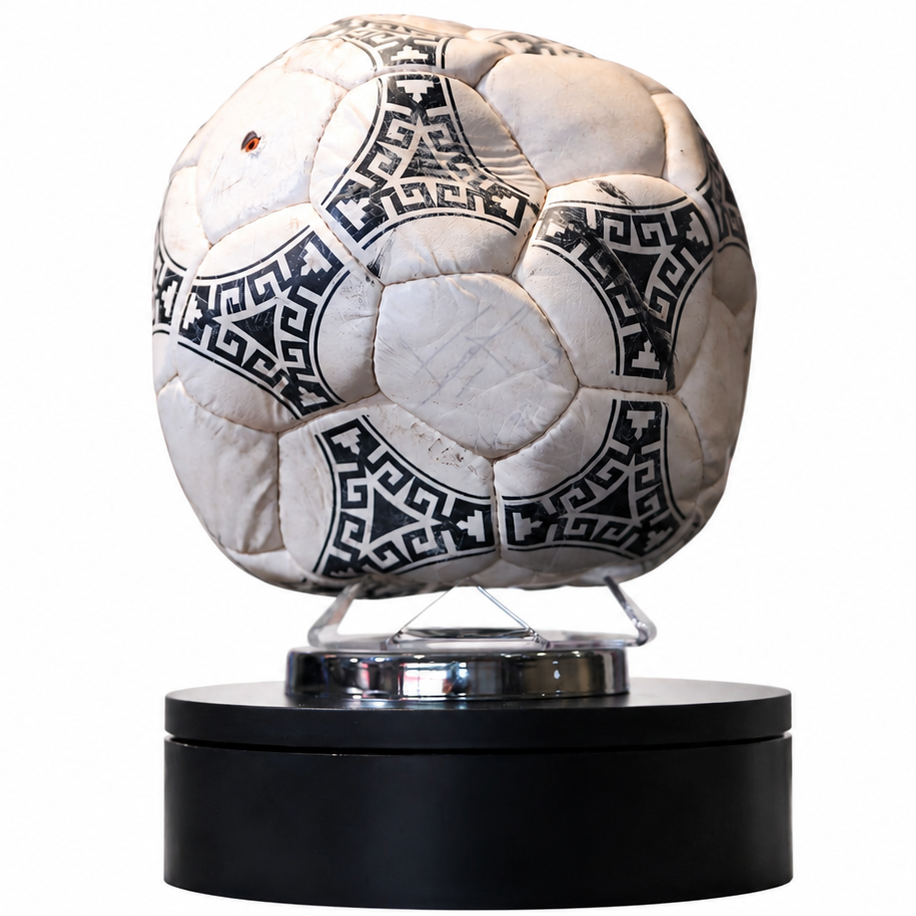
Photo credit: Getty Images
Diego Maradona showcased his remarkable talent in a memorable quarterfinal match in the 1986 World Cup, scoring two famous goals against England. These moments made the game emblematic of his impact on the tournament.
The diminutive Maradona scored the opener by seemingly heading the ball in, though he admitted afterward, “A little with the head of Maradona and a little with the hand of God.” He then added a second goal that is often heralded as the “Goal of the Century.”
Referee Ali Bin Nasser had absconded with the Adidas match ball used in that quarterfinal, but it wasn’t until years later that his decision became publicly known.
Current location: Following an auction bid of $2.4 million that did not meet the reserve price, the historical match ball remains with Bin Nasser.
1990 – Andreas Brehme’s Penalty Spot
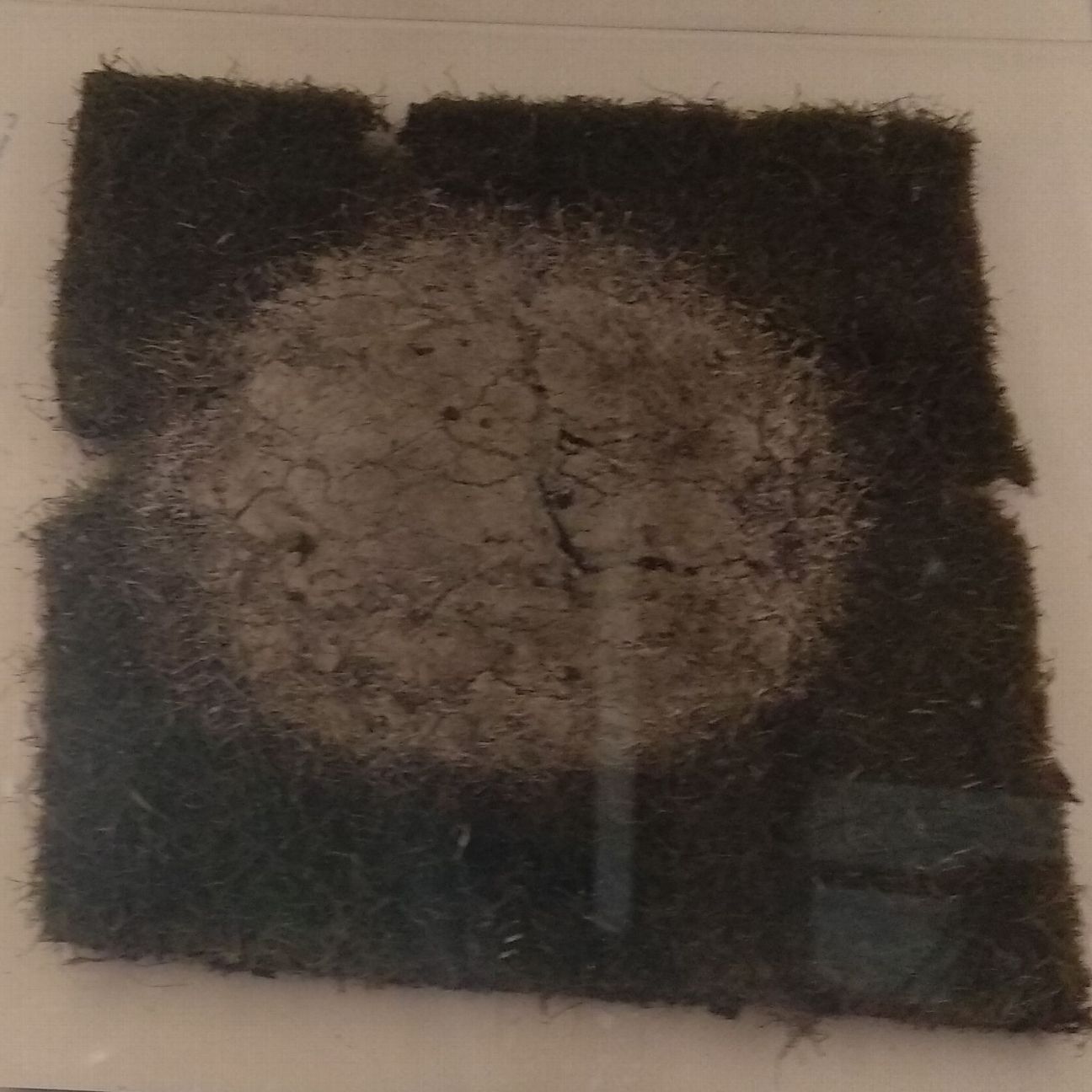
Photo credit: German Football Museum
Andreas Brehme’s decisive 85th-minute penalty led West Germany to a 1-0 victory over Argentina in the 1990 final. A little-known fact is that the exact spot where the penalty was taken has become museum property, though the details of how it came into their possession remain murky.
At some point post-match, someone excavated the penalty spot, encased it in acrylic, and secured it with the signature of coach Franz Beckenbauer. The 1990 tournament was characterized by low scoring, with several matches, including the final, being decided by penalty kicks.
Current location: The penalty spot has been at the German Football Museum since its opening in 2015, previously owned by famed German music producer Frank Farian, known for founding the disco group “Boney M.”
1994 – Ayrton Senna’s Banner
Ayrton Senna, revered as one of the greatest racing drivers of all time, became an iconic figure in Brazil’s sports history. Prior to the 1994 World Cup, Brazil’s soccer team experienced the honor of meeting him during a friendly against Paris Saint-Germain.
Brazil goalkeeper Cláudio Taffarel recalled: “He was so charismatic yet humble; he entered our hotel with no airs and graces, no security, nothing.” Senna ceremonially kicked off the match, but tragically, just 11 days later, he lost his life in a high-speed crash during the San Marino Grand Prix.
After Brazil’s victory over Italy in the final, the team unfurled a banner reading: “Senna…we accelerate together. The fourth title is ours!”
Current location: For nearly 30 years, the banner was kept by former Brazilian FA president Américo Faria until gifted to Senna’s family by the players in 2024. It is now displayed at the Senna Institute in Rio de Janeiro.
1998 – Frank Leboeuf’s Replica Trophy
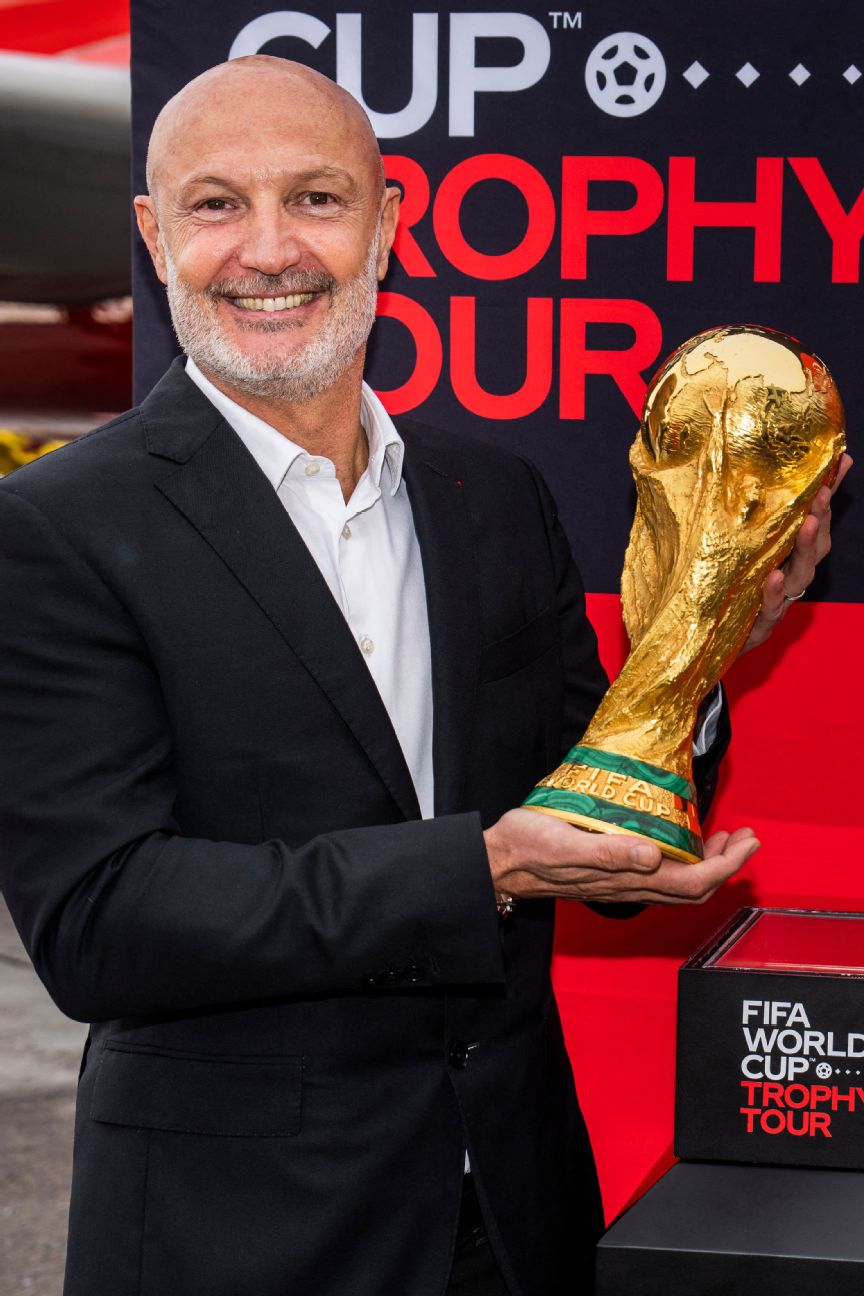
Photo credit: Frank Leboeuf
France’s initial World Cup victory in 1998 against Brazil marked the beginning of a rich period for the national team, capturing four trophies in five years. However, former defender Frank Leboeuf downplays the importance of his achievements, noting that his major memorabilia from his career are preserved at Chelsea’s museum.
Leboeuf recounts an amusing scenario when he stumbled upon his winners’ medal tucked away with his socks. Despite this, he recognizes the value of camaraderie: the ’98 squad maintains close ties, holding annual reunions and even a group chat where he keeps track of everyone’s birthdays, including manager Aimé Jacquet.
Current location: Leboeuf retains the replica trophy from that tournament at his home, bringing back fond memories of their shared achievement.
“I pointed to it, saying to my wife, ‘Look, World Cup champion!'” he recalled. “She just replied, ‘Yeah, shut up and pass me a coffee.'”
2002 – Ronaldinho’s Quarterfinal Jersey
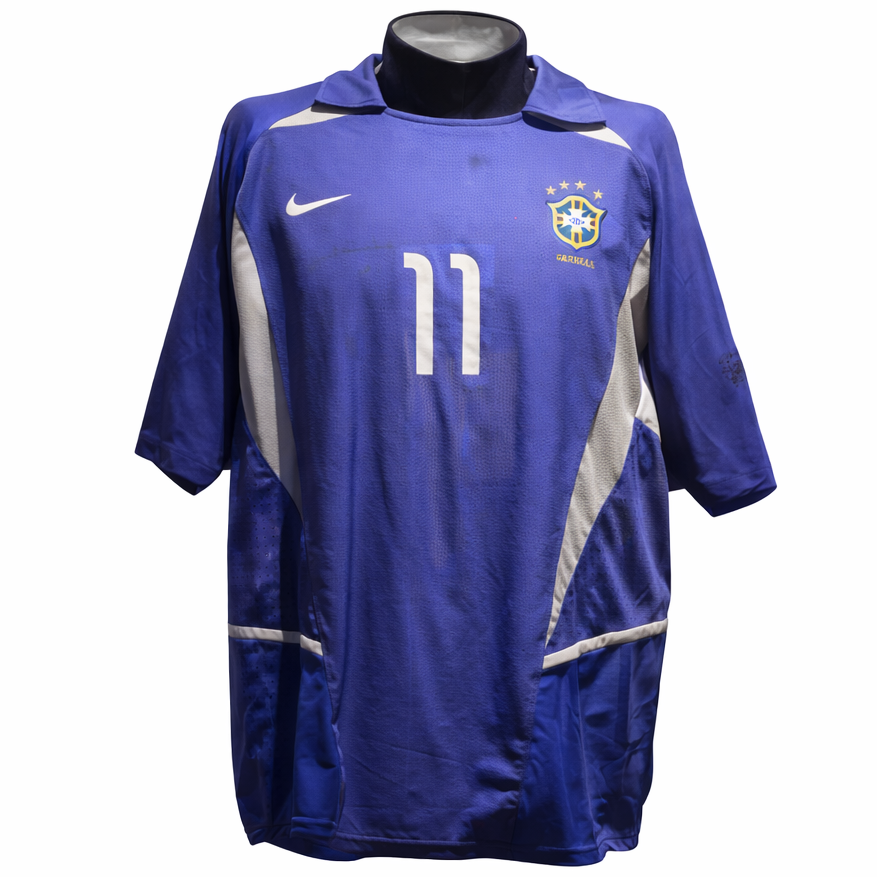
Photo credit: Museu do Futebol
Brazil’s history is replete with outstanding World Cup moments, including Carlos Alberto’s renowned goal in the 1970 final and Pelé’s iconic volley in 1958. However, Ronaldinho’s remarkable free-kick against England in the 2002 quarterfinal is also enshrined in the annals of soccer.
The shot appeared to be a cross from over 35 yards away but miraculously sailed over goalkeeper David Seaman into the net. English players dismissed it as a fluke, but Ronaldinho insists he intended the shot, having studied Seaman’s tendency to rush from his line.
Regardless of the debate surrounding that goal, Brazil’s squad, featuring stars like Cafu, Roberto Carlos, Rivaldo, and Ronaldo Nazário, proceeded to win the trophy with a 2-0 victory over Germany in the final.
Current location: Ronaldinho’s jersey from the England quarterfinal is on temporary exhibit at the Museu do Futebol in Rio de Janeiro.
2006 – Zidane and Materazzi Statue
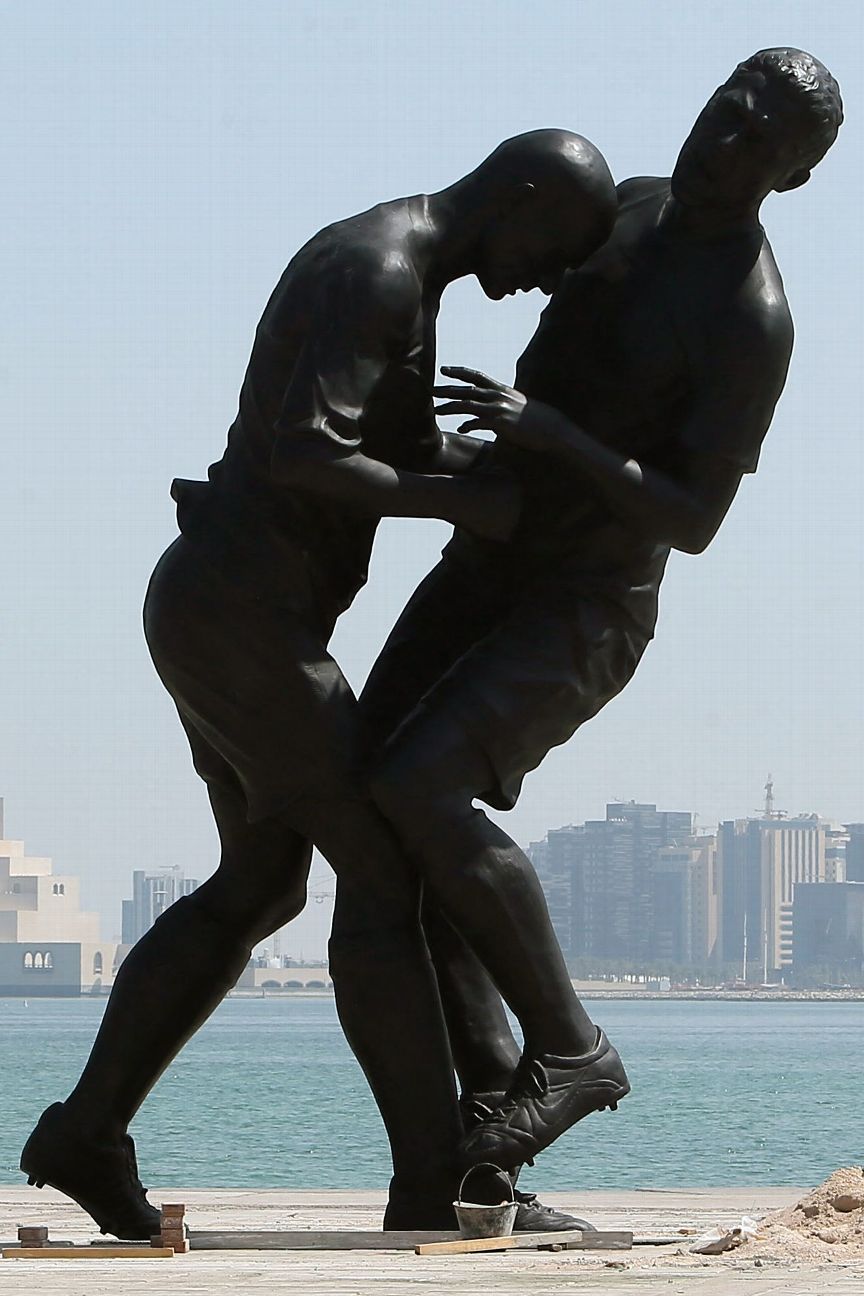
Photo credit: Getty Images
Zinedine Zidane’s illustrious career culminated in a legendary moment during the 2006 World Cup final when he was sent off for head-butting Marco Materazzi. France’s journey to the final was punctuated by unexpected draws, leading them to the knockout stage where they ultimately triumphed over teams like Spain and Brazil.
Zidane opened the scoring with a penalty in the seventh minute, but Materazzi equalized shortly thereafter. After a tense extra time with the match tied 1-1, the iconic clash occurred, causing Zidane to exit the pitch and leave his legacy forever marked.
Current location: A statue commemorating this head-butt incident, which stirred significant dialogue, was unveiled in Doha, Qatar, later moved to the 3-2-1 Qatar Olympic and Sports Museum as part of an exhibit highlighting athlete mental health.
2010 – A Vuvuzela
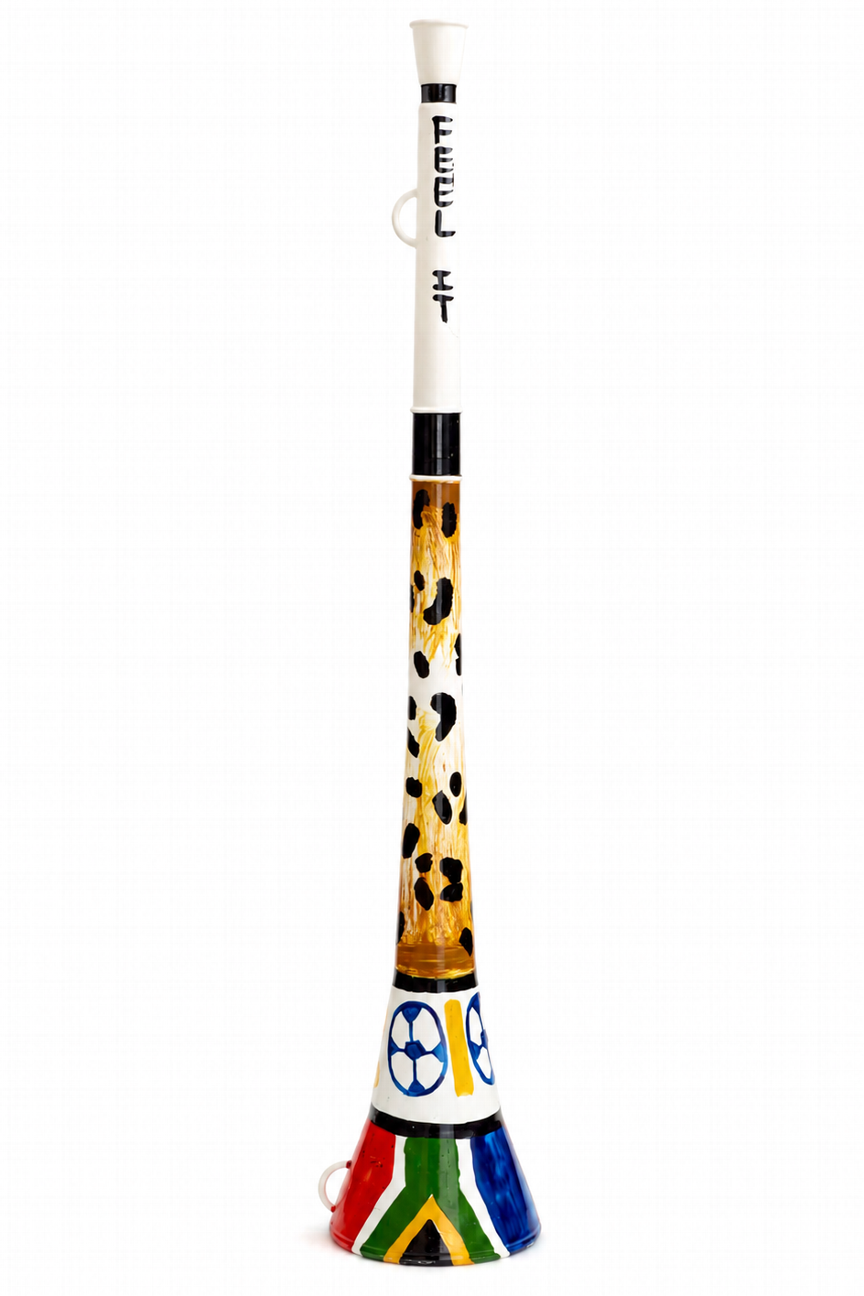
Photo credit: Science History Institute
Of all the items that came to symbolize the 2010 tournament in South Africa, none matched the vuvuzela, a loud 15-inch horn that performed a single B-flat note and produced volume levels comparable to a jet engine.
During the Confederations Cup held in South Africa a year before, local fans utilized these instruments to great effect, leading to complaints that they drowned out commentators on broadcast. Despite the uproar, FIFA chose not to ban them, and then-president Sepp Blatter defended their presence during the World Cup finale between Spain and the Netherlands.
While many players found the vuvuzelas distracting, Spain went on to achieve victory, thanks to Andrés Iniesta’s decisive goal clinching the title. However, vuvuzelas have since been prohibited in soccer stadiums, alongside whistles and other loud devices.
Current location: The depicted vuvuzela is part of the collection at the Science History Institute in Philadelphia.
2014 – Mario Götze’s Winning Left Boot
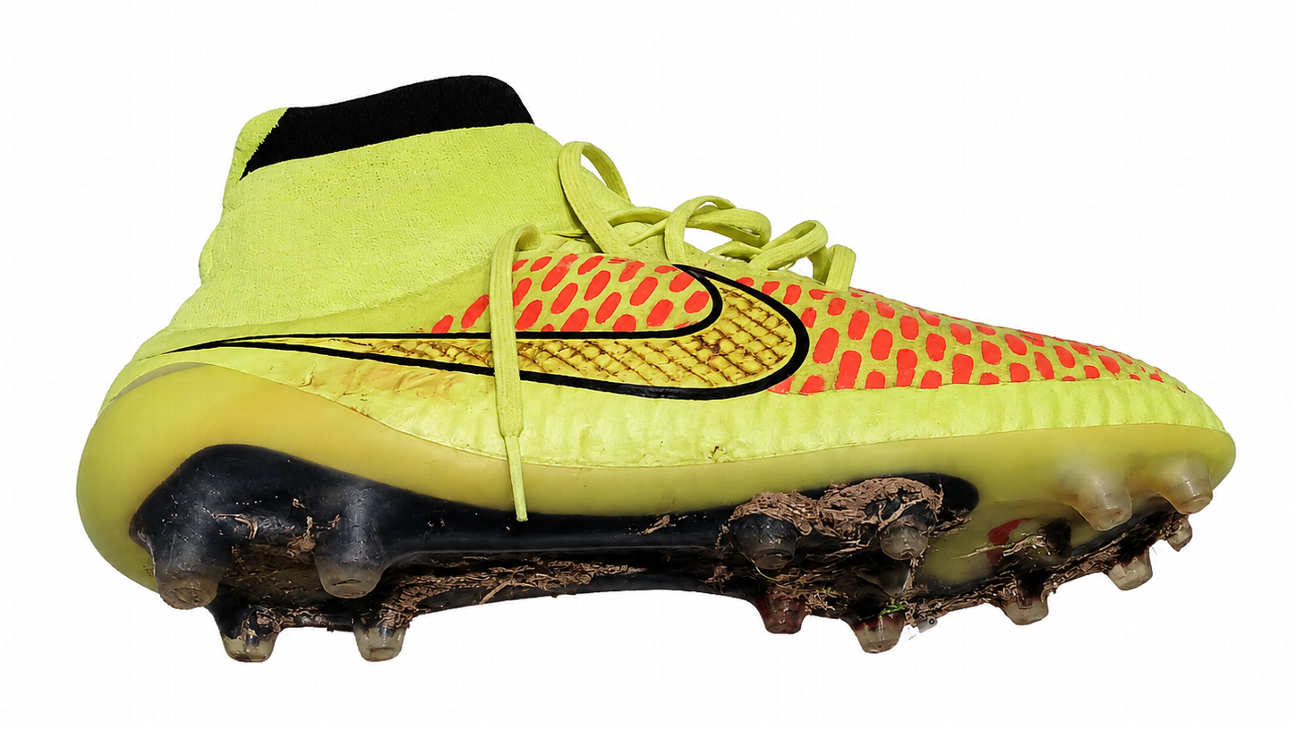
Photo credit: German Football Museum
As the 2014 World Cup final approached, Germany manager Joachim Löw encouraged 22-year-old Mario Götze to “show the world you’re better than [Lionel] Messi.” Götze would ultimately fulfill that prophecy, scoring the lone goal in extra time against Argentina and securing Germany’s title.
Remarkably, within six months of that momentous goal, Götze sold the boot that achieved glory for $2.45 million at an auction benefiting A Heart for Children, a German charity. He mentioned, “I have never washed the shoe…there’s still grass on it. It has been preserved just as it was in Rio.”
Götze may have fallen out of favor with the national team in subsequent years, but he set the record for the highest auction price paid for a single boot, far surpassing a pair worn by Messi in a 2021 La Liga match that sold for $173,000.
Current location: Götze’s boot went on exhibition at the German Football Museum but has since returned to its auction purchaser, while his right boot remains displayed at the museum.
2018 – VAR Terminal from France vs. Australia
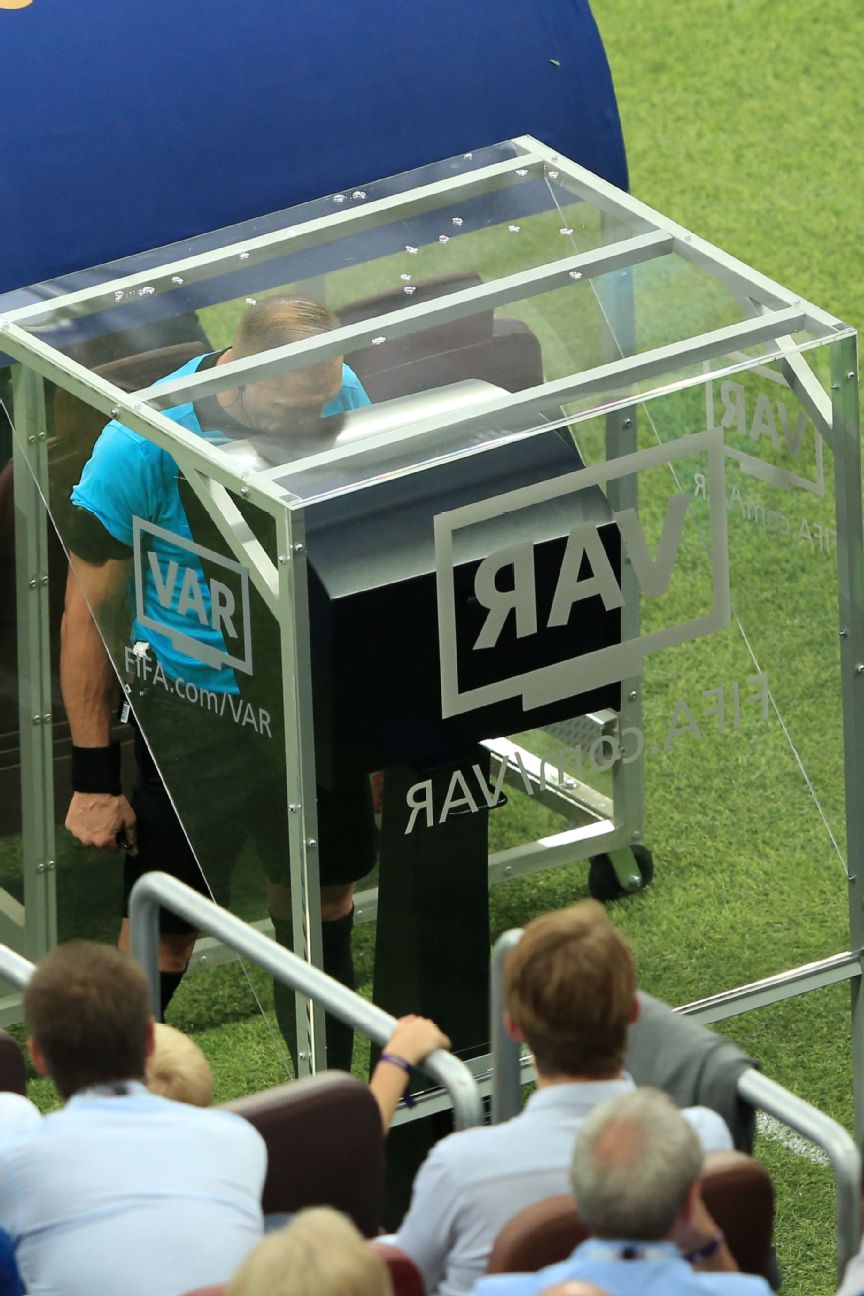
Photo credit: Getty Images
The 2018 World Cup in Russia introduced VAR technology in a bid to eradicate controversial officiating errors. The system made its debut just two days into the tournament during France’s match against Australia when a foul led to a penalty awarded in favor of France after the referee reviewed the decision.
VAR remained relatively quiet for most of the tournament, only becoming a focal point again during the final match when it assisted in awarding a penalty to France that ultimately contributed to their victory over Croatia.
Current location: While the actual VAR terminals from the 2018 World Cup aren’t preserved, a replica of the terminal used for the inaugural VAR decision at a World Cup is exhibited in FIFA’s Zurich museum, allowing visitors to experience a simulated Video Operation Room setup.
2022 – Lionel Messi’s Bisht
In many respects, the 2022 Qatar World Cup will be defined by two major aspects: Lionel Messi finally securing the only significant title that had eluded him, and the controversial nature of the tournament itself.
Firmly entrenched in ongoing discussions about human rights, LGBTQ+ rights, and scheduling issues, the tournament’s final scene quickly became emblematic of the overall legacy: the sight of the Emir of Qatar draping Messi in a black bisht—a ceremonial cloak worn by dignitaries in the Gulf region—prior to his moment of glory.
The tailor who crafted these cloaks expressed surprise to learn the bisht he made for Messi would be worn as part of the World Cup’s championship ceremony, observing, “I felt proud that our store was selected for this notable occasion.”
Current location: The day following the World Cup final, Messi was offered over $1 million for the bisht but opted to keep it, as it remains in his possession today.