



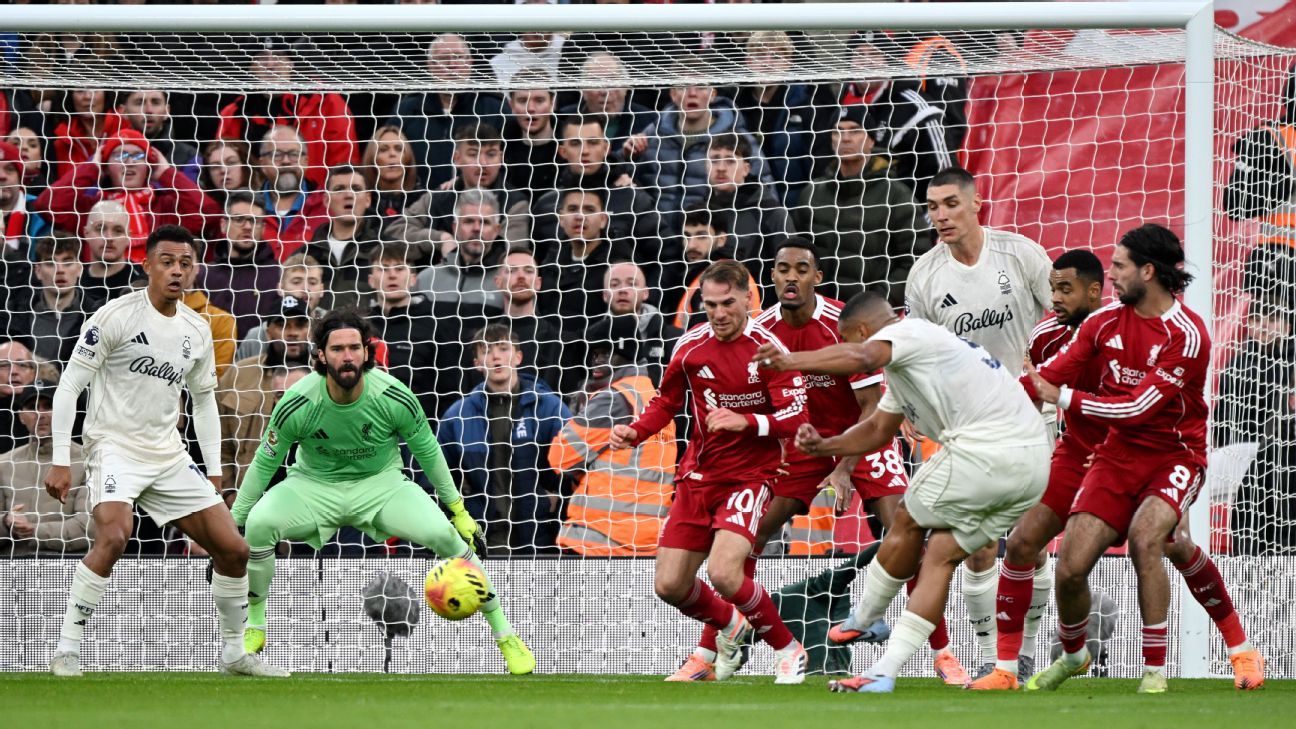
Every week in the Premier League, the video assistant referee (VAR) stirs up controversy. But how are decisions made, and are they accurate?
This season, we delve into significant incidents to analyze and clarify the processes surrounding both VAR protocols and the laws of the game.
All screenshots photo credit: NBC
Andy Davies (@andydaviesref), a former Select Group referee with over 12 seasons of experience in the Premier League and Championship, provides valuable insights into the VAR processes and protocols that unfold on a match day.
Referee: Andrew Madley
VAR: James Bell
Incident: Goal scored by Forest defender Murillo; VAR check for potential offside.
Time: 33 minutes
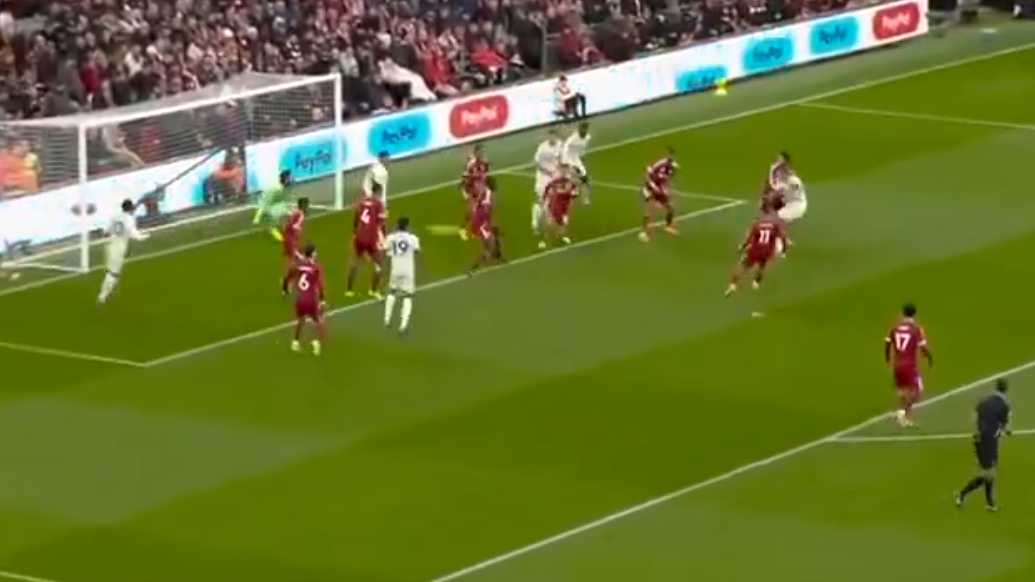
What happened: Murillo netted Nottingham Forest’s first goal at Anfield, with Dan Ndoye positioned in an offside location in the goal area, necessitating a VAR review for a potentially disallowed goal that could have impacted an opponent.
Tight margins 😬 pic.twitter.com/nucl132lSA
— CBS Sports Golazo ⚽️ (@CBSSportsGolazo) November 22, 2025
NOTTINGHAM FOREST SILENCE ANFIELD WITH AN OPENER. 😳 pic.twitter.com/WzXHWFLObJ
— NBC Sports Soccer (@NBCSportsSoccer) November 22, 2025
VAR decision: The VAR confirmed the referee’s initial decision to allow the goal, concluding that Ndoye did not obstruct Liverpool goalkeeper Alisson Becker’s view and did not take an action that interfered with play.
VAR review: Effective communication between Madley and his assistant was crucial in this review. The conversation clarified that despite Ndoye’s offside position, he did not infringe on Alisson’s line of sight or take an action that impacted the goalkeeper.
Bell, as the VAR, was responsible for confirming the correctness of this assessment and ensuring that no other fouls had occurred by the attacking team that warranted further investigation. He was satisfied with the decision made on the field.
Verdict: Football consistently delivers pivotal moments for analysis, and this incident was notable for both the on-field officials and the VAR team, especially considering a similar case from earlier this month between Liverpool and Manchester City.
From my perspective, the appropriate outcome was achieved in this situation. It’s evident that the PGMOL has engaged in reflection, clear communication, and discussions following the City game, though it’s important to recognize that the contexts and dynamics are slightly different in this case due to Ndoye’s body movements compared to those of Andy Robertson.
In a previous VAR review regarding the City vs. Liverpool match, I highlighted how teams could exploit set-piece scenarios by placing players in offside positions to disrupt goalkeepers in search of marginal advantages.
Has Forest employed such a tactic here? I would suggest yes.
Incident: Nottingham Forest had a goal disallowed for a handball by Igor Jesus.
Time: 35 minutes
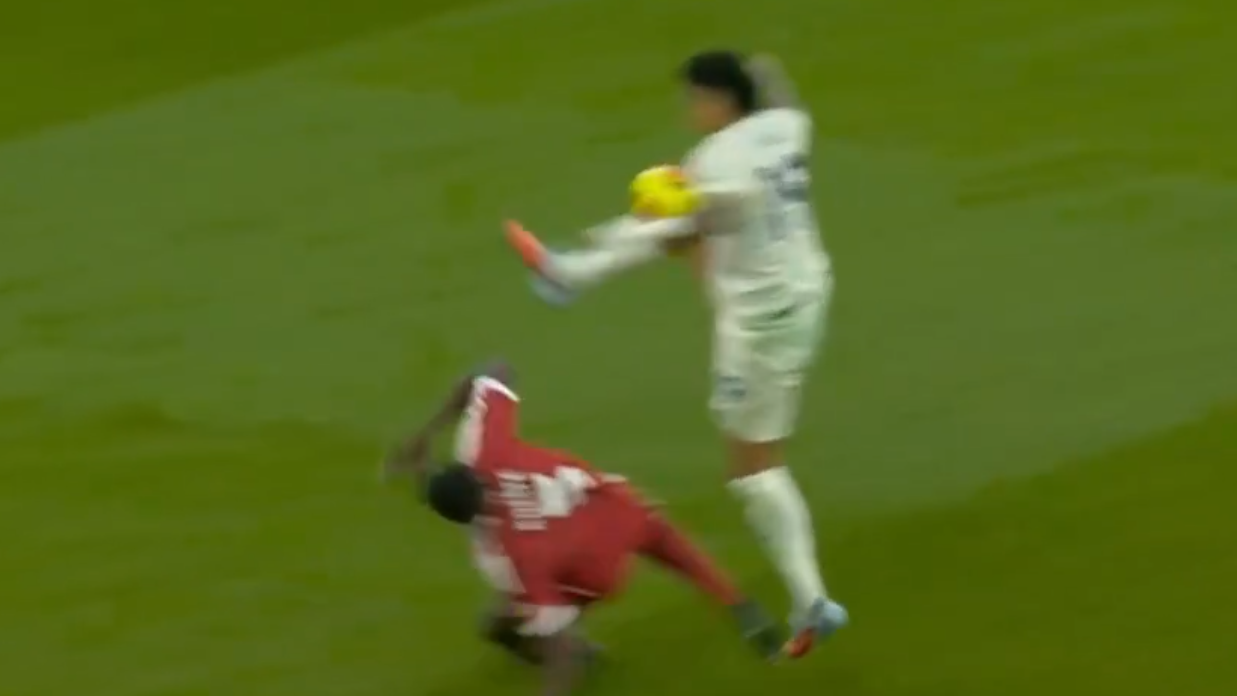
What happened: Nottingham Forest’s Igor Jesus and Liverpool defender Ibrahima Konaté contested the ball in the Liverpool penalty area. While going to the ground, Konaté inadvertently directed the ball against Jesus’ body, leading to a goal. However, the referee ruled that the ball had touched Jesus’ arm just before he scored, resulting in the goal being disallowed.
Nottingham Forest thought they had a second against Liverpool—but the goal is DISALLOWED for handball. 👀 pic.twitter.com/lhKBqnKjxk
— NBC Sports Soccer (@NBCSportsSoccer) November 22, 2025
VAR decision: After reviewing the footage, the VAR validated the on-field decision and concurred with Madley’s call to disallow the goal due to an accidental handball by Jesus.
VAR review: As standard practice, the VAR’s reference point in this review was the on-field decision. For Bell to recommend an on-field review, he would need conclusive evidence that the ball did not touch Jesus’ arm, demonstrating that Madley made a clear error.
Verdict: This ruling is likely to ignite debate, and Nottingham Forest may feel aggrieved by the decision.
However, according to the law: A goal is disallowed if it is scored;
– Directly from the player’s hand/arm, even if accidental
– Immediately after the ball has touched their hand/arm, even if accidental.
Madley’s on-field decision was a courageous one. Given his vantage point (positioned around a Liverpool defender when the ball impacted Jesus), he was not operating with complete certainty.
Nonetheless, the ball’s trajectory and Jesus’ body position likely provided clear indications that the ball had indeed struck his upper arm, allowing Madley to rely on his instinct.
From a VAR standpoint, Bell had limited visual evidence to analyze and found no sufficient grounds to contradict Madley’s ruling.
Neutral fans—and Forest supporters, in particular—may feel disappointed by the disallowed goal due to its accidental nature. However, according to the rules, a goal cannot stand if scored after a hand or arm touch, regardless of whether it was unintentional. While this outcome may seem unjust, the law is quite explicit.