



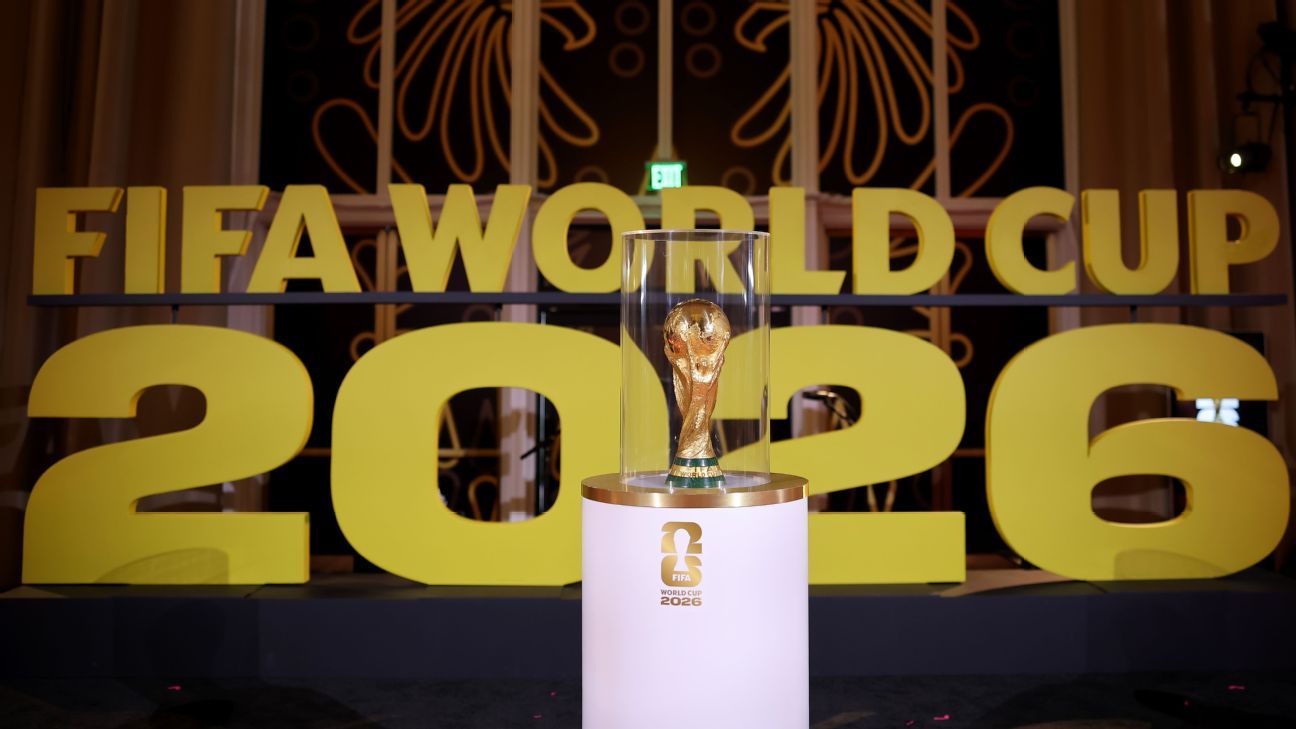
Earlier this month, FIFA engaged in an action that was not only shortsighted, greedy, and ethically questionable—but also incredibly counterproductive to its own objectives. By trying to squeeze revenue from the FIFA World Cup, they ended up causing significant backlash, prompting them to scramble for a solution that amounted to little more than a token gesture.
The silver lining here is that this could motivate fans to recognize their own influence and push back against exploitation.
My concern specifically revolves around the ticket prices that are being sold through the federations of the qualified teams—known as Participant Member Associations (PMAs) by FIFA. These tickets make up approximately 16% of the total ticket allocation (8% per team, per match), yet the prices were set exorbitantly high, ranging from $180 to $700 for the group stage, as reported by the German federation. The backlash from fan groups was so significant that FIFA announced a new “entry tier” ticket priced at just $60 on Tuesday.
Is this a win for fans protesting against being exploited? Hardly. It seems more like FIFA recognized that their strategy of maximizing profits at any cost was self-destructive.
Allow me to clarify.
The 16% of fans obtaining tickets through PMAs are not just casual supporters. They form a vital part of the vibrant atmosphere that the World Cup embodies. They create the excitement and energy, singing and celebrating as cameras capture their lively presence during games.
Getting tickets through the PMAs typically means you are an active member of an organization dedicated to supporting your national team. For many fans, this involves regularly attending matches and traveling for away games. These supporters bring invaluable passion and enthusiasm to the event.
These are the last individuals who should bear the financial burden, especially when considering dynamic pricing—the method of setting flexible prices based on market demand—could lead to a majority of stadium attendees being corporate guests, wealthy individuals, or casual attendees, rather than true fans.
There’s nothing inherently wrong with these attendees, and it’s entirely possible for someone to be wealthy and a devoted fan; however, the atmosphere is distinctly different. It’s similar to attending an NFL championship game compared to the Super Bowl. While the Super Bowl may be a grander spectacle, often the conference championship game delivers a more authentic experience due to the greater presence of genuine fans.
This will be my ninth World Cup as a fan. Recently, starting from Russia 2018 and continuing through Qatar 2022, these events have felt increasingly like lavish showcases aimed at a global elite. Pricing out loyal fans from the PMA tickets is a detrimental strategy, directly undermining FIFA’s core offering: the global broadcasting rights.
Clubs have recognized this rift for some time. The most affordable full-price adult season ticket at Bayern Munich is under $200 for the season, not for the sake of profit maximization, but to ensure that the visible “cheap seats” at the stadium contribute positively to the atmosphere, enriching both the brand experience and the “game-day” atmosphere.
It appears FIFA overlooked this rationale when setting ticket prices. Will the introduction of a “supporter entry tier” create significant change? This tier accounts for merely 10% of PMA tickets, equating to about 1.6% of total tickets sold. While it is a step, it falls short of what is necessary, especially when another 40% will be offered at the threefold price of the entry tier, while the remaining PMA tickets will still range between $450 and $700.
Those with a more pragmatic (or cynical) perspective recognize the underlying structure: the men’s World Cup is the only event that generates revenue for FIFA. These profits fund all other competitions, from women’s to youth tournaments and futsal. FIFA also heavily subsidizes the majority of its 211 member nations, who in turn have voting rights regarding the FIFA presidency and any potential re-election in 2027.
Thus, it’s clear that FIFA aims to extract as much value as possible from the 2026 event. They have a point when arguing that lower ticket prices could lead to bots buying tickets only to resell them for profit on platforms like StubHub or SeatGeek. Moreover, it’s worth noting that North American fans, particularly in the U.S., are already accustomed to paying high prices for sporting events.
I understand this dynamic, and while it is a necessary evil, it should not come at the expense of loyal fans who have continually supported their national teams through various championships and qualifiers. Their dedication should not be mistaken for ignorance.
If there is a silver lining, it’s that these committed fans—empowered by FIFA’s small concession—might realize they hold significant influence, not only over FIFA directly but also indirectly through the national federations that count on them for support, ticket sales, and organized travel. These federations ultimately contribute the superstar players that attract casual viewers and entice sponsors. FIFA relented on 1.6% of PMA tickets; who’s to say it won’t lead to further concessions?
FIFA has turned the World Cup into a television-centric extravaganza, with stadiums serving as polished studios. While this approach works, it still requires the presence of hardcore fans to maintain the authenticity of the event. Otherwise, corporate guests will revert to being passive spectators, and affluent day-trippers will seek out the next fleeting “experience,” taking their sponsorship dollars and viewing audiences along with them.