



The video assistant referee (VAR) stirs up debates every week in the Premier League. But how are these contentious decisions made, and are they being made correctly?
This season, we are analyzing significant incidents to explain the decision-making process in relation to VAR protocols and the Laws of the Game.
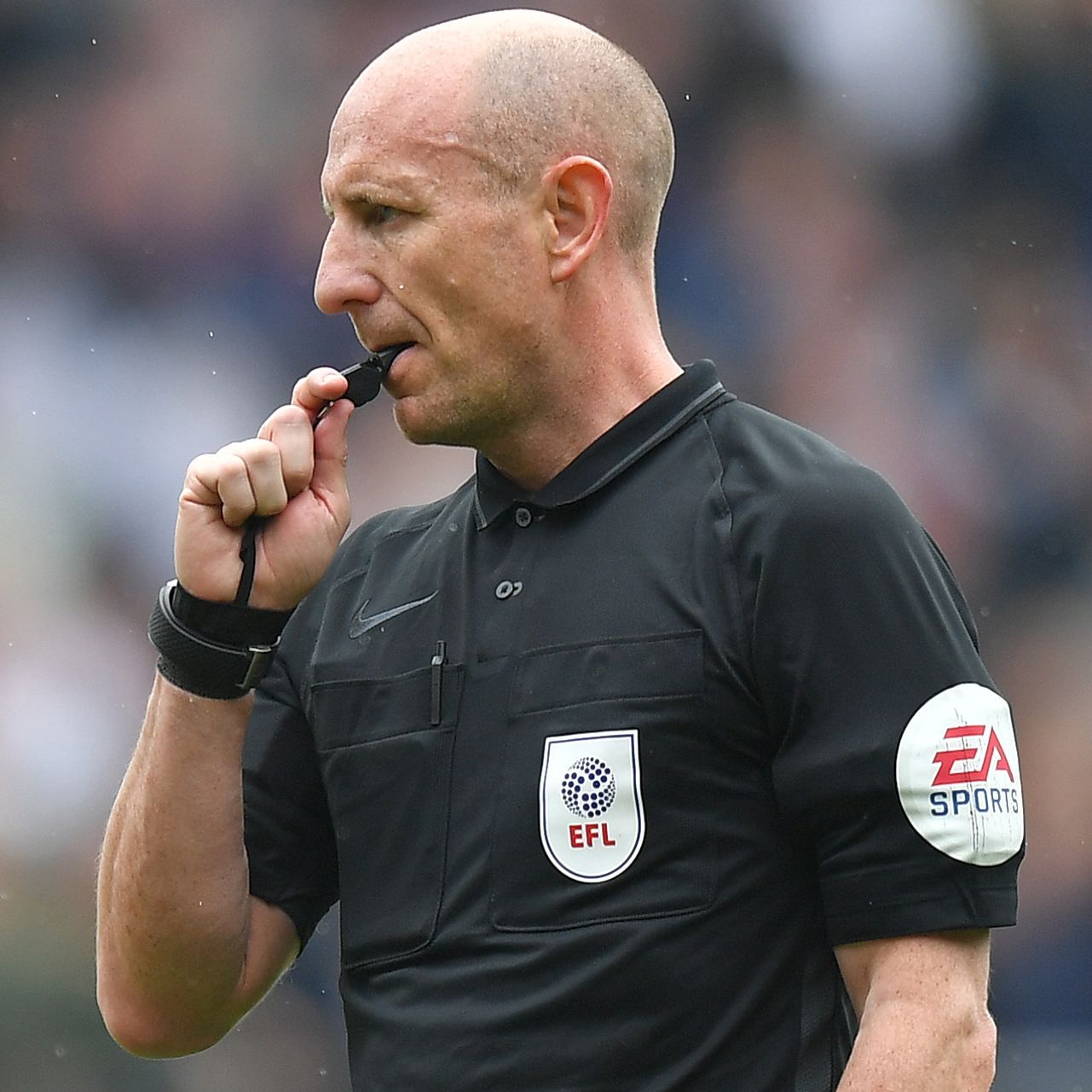 Andy Davies (@andydaviesref), a former Select Group referee with over 12 seasons of experience officiating in the Premier League and Championship, has worked extensively with VAR in the top leagues. He brings unique insights into the processes, reasoning, and protocols implemented on a Premier League matchday.
Referee: Sam Barrott
VAR: Craig Pawson
Incident: VAR intervention regarding a foul in the penalty area
Time: 11th minute
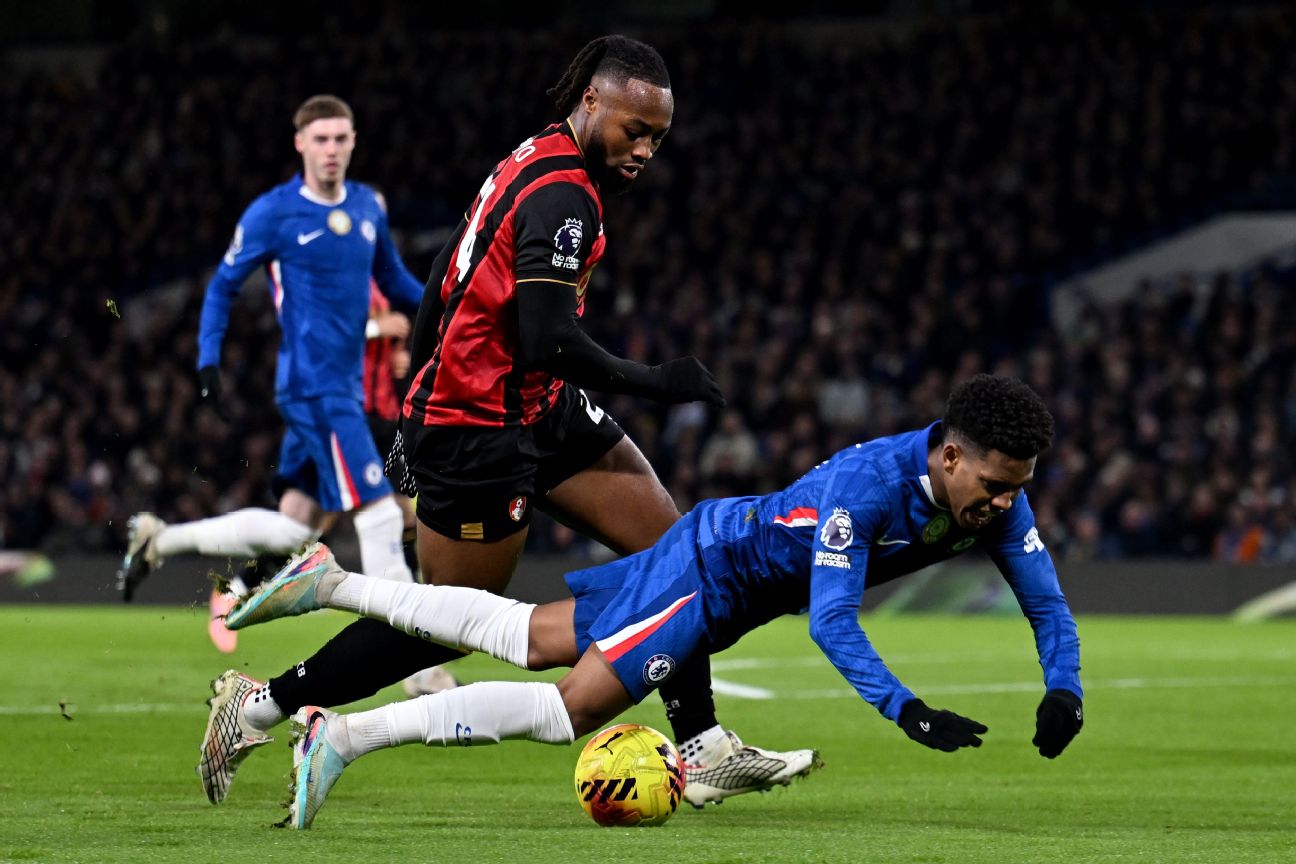
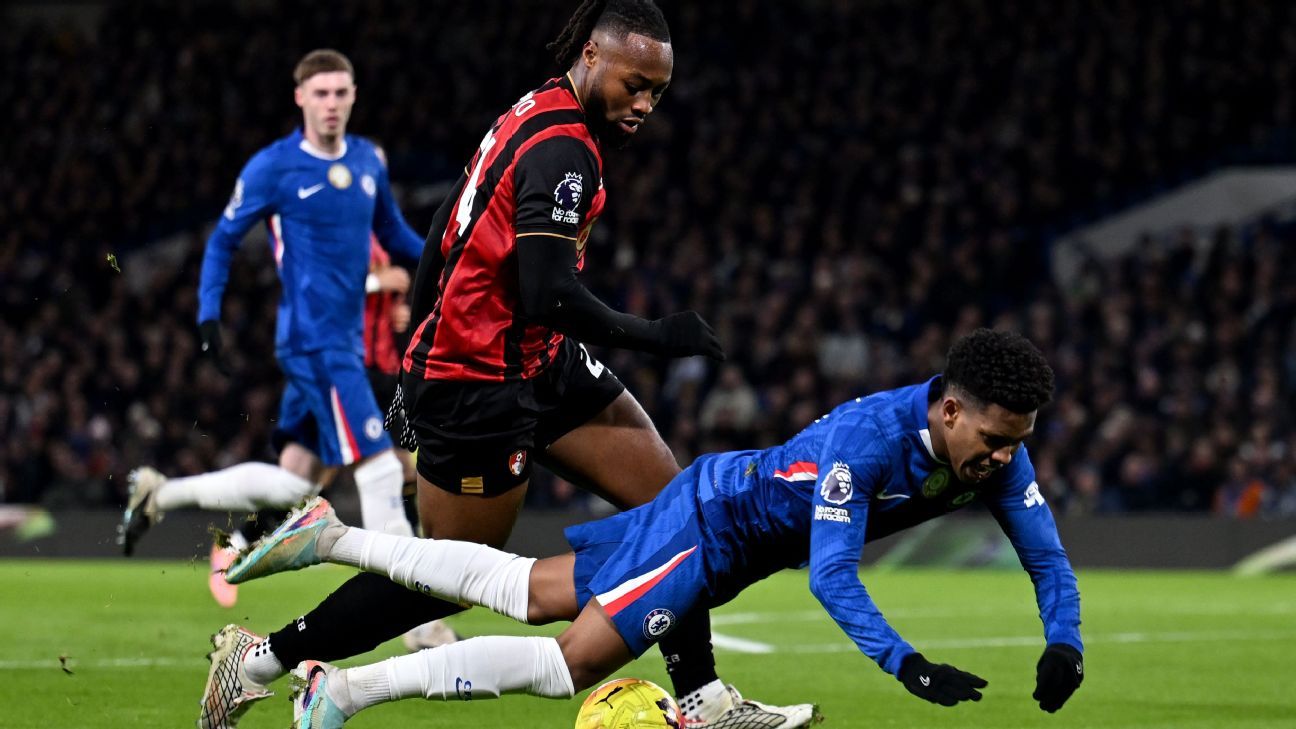
Incident Overview: Chelsea forward Estêvão made a move into the Bournemouth penalty area, closely pursued by Antoine Semenyo. Estêvão fell to the ground after contact with Semenyo, yet referee Barrott dismissed Chelsea’s penalty claims, arguing there was no foul and that the contact resulted from both players’ normal running actions, leading Estêvão to trip himself.
VAR Decision: VAR Pawson recommended an on-field review to assess a potential penalty for Chelsea due to what appeared to be a clear trip by Semenyo on Estêvão.
VAR Review: Pawson needed to assess whether the contact was due to the normal running actions of both players, as the referee suggested, or if it constituted a foul by Semenyo. Although Estêvão tripping himself was evident, the pivotal question was how the initial contact occurred.
Initially, it would have been tough for Pawson to contradict the referee’s decision since the primary TV footage was inconclusive. However, upon reviewing tighter angles, both from the touchline and behind, Pawson determined that Semenyo initiated the contact by moving into Estêvão’s path, which caused enough interference to lead to the Chelsea player tripping.
Pawson then advised an on-field review for a possible penalty kick, and after reviewing the footage, referee Barrott concurred and awarded the penalty.
Conclusion: This VAR intervention seems justified given the current standards, although it reflects a lower level of involvement than usually expected from VAR. Barrott appeared uncertain during his review, requiring multiple angles to be convinced that his initial judgment was incorrect.
Often, such contact arises from both players’ natural movements, which can lead them to fall. For a penalty to be awarded, there must be a clear foul by a defender on an attacking player. In this case, one could argue that the threshold for a foul was met; however, it sets a low bar for VAR intervention.