



The video assistant referee (VAR) sparks debate every week in the Premier League. But how are decisions made, and are they accurate?
This season, we’re examining significant incidents to clarify the VAR protocol and how it aligns with the Laws of the Game.
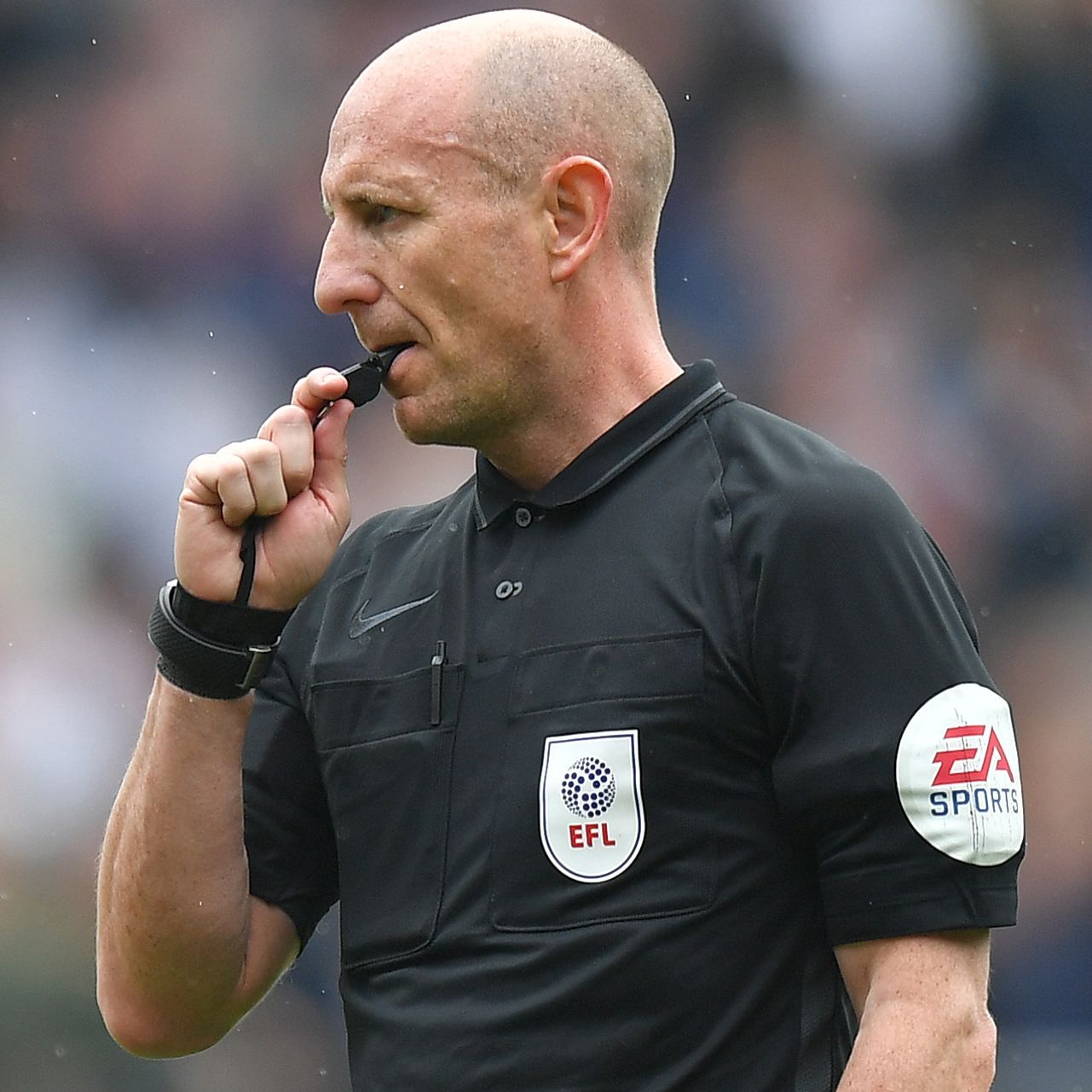 Andy Davies (@andydaviesref) is a former Select Group referee with over 12 seasons of experience in the Premier League and Championship. His extensive experience in the VAR system within the Premier League enables him to provide valuable insights into the processes, reasoning, and protocols followed on matchday.


Referee: Anthony Taylor
VAR: Michael Salisbury
Time: 90+11 minutes
Incident: A mass confrontation involving 20 players.
What occurred: The chaotic conclusion of the London derby between Chelsea and West Ham showcased the effectiveness of VAR.
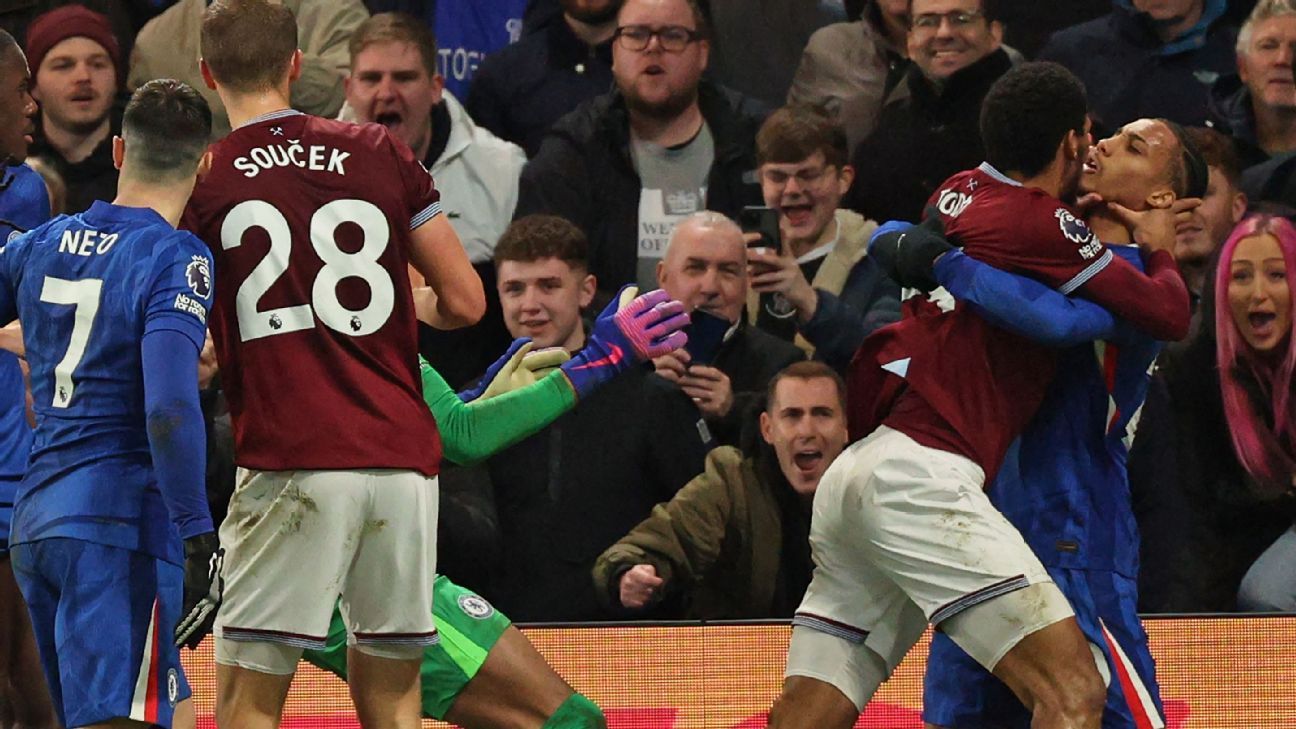
With nearly 20 players engaged in a fracas during the frantic finale of a 3-2 victory for Chelsea, the challenge for on-field officials was to correctly identify the offenders and their actions amid the melee.
The tensions escalated in the 11th minute of stoppage time, shortly after Enzo Fernández scored. West Ham winger Adama Traoré slammed Marc Cucurella to the ground and clashed with João Pedro, who rushed in to defend his teammate.
The altercation attracted many other players, leading to cautions for Traoré and Pedro. However, a VAR review resulted in West Ham defender Jean-Clair Todibo getting sent off for putting his hands around Pedro’s neck.
What is the procedure? A VAR review is thorough, but it’s crucial to note that VAR can only step in to address a violent act that the on-field officials may have missed.
Before the match, referee Anthony Taylor briefed his team on the expected procedures for managing possible confrontations. However, every incident is unique; in this case, with three groups of players involved, Taylor and his team had to navigate the situation carefully to determine appropriate actions.
The VAR and assistant VAR follow a similar procedure. They initially identify key players and their actions through the live feed, while the replay operator (RO) prepares to provide various angles for the VAR to analyze once the situation stabilizes and on-field officials have addressed immediate incidents.
The VAR has full access to communication from the on-field officials and will review each identified action to ensure Taylor’s interpretation was correct regarding what circled back to violent conduct versus mere aggressive behavior.
After confirming the on-field decisions — in this case, the yellow cards for Traoré and Pedro — the RO presents additional angles not captured during the “live” feed for the VAR’s assessment of any further violent actions.
VAR evaluation: The reverse angle revealed Todibo’s violent behavior towards Pedro, which clearly constituted a red-card offense. VAR Salisbury highlighted this incident to be shown in the on-field review (OFR).
Upon viewing the monitor, Taylor found Todibo’s actions straightforwardly warranted a red card for violent conduct.
Conclusion: VAR was effectively employed to supplement the decisions made by Taylor and his team.
The refereeing team strives to identify key instigators for yellow cards while also monitoring for any additional acts that might warrant red cards, often requiring assistance in complex situations.
In this case, while Traoré and Pedro received yellow cards for initiating the altercation, Todibo’s actions crossed a line, justifying a straight red card. The decisions made were accurate.