



The video assistant referee (VAR) sparks debate each week in the Premier League. But how are these decisions made, and are they accurate?
This season, we will analyze significant incidents to clarify the decision-making process in terms of VAR protocols and the Laws of the Game.
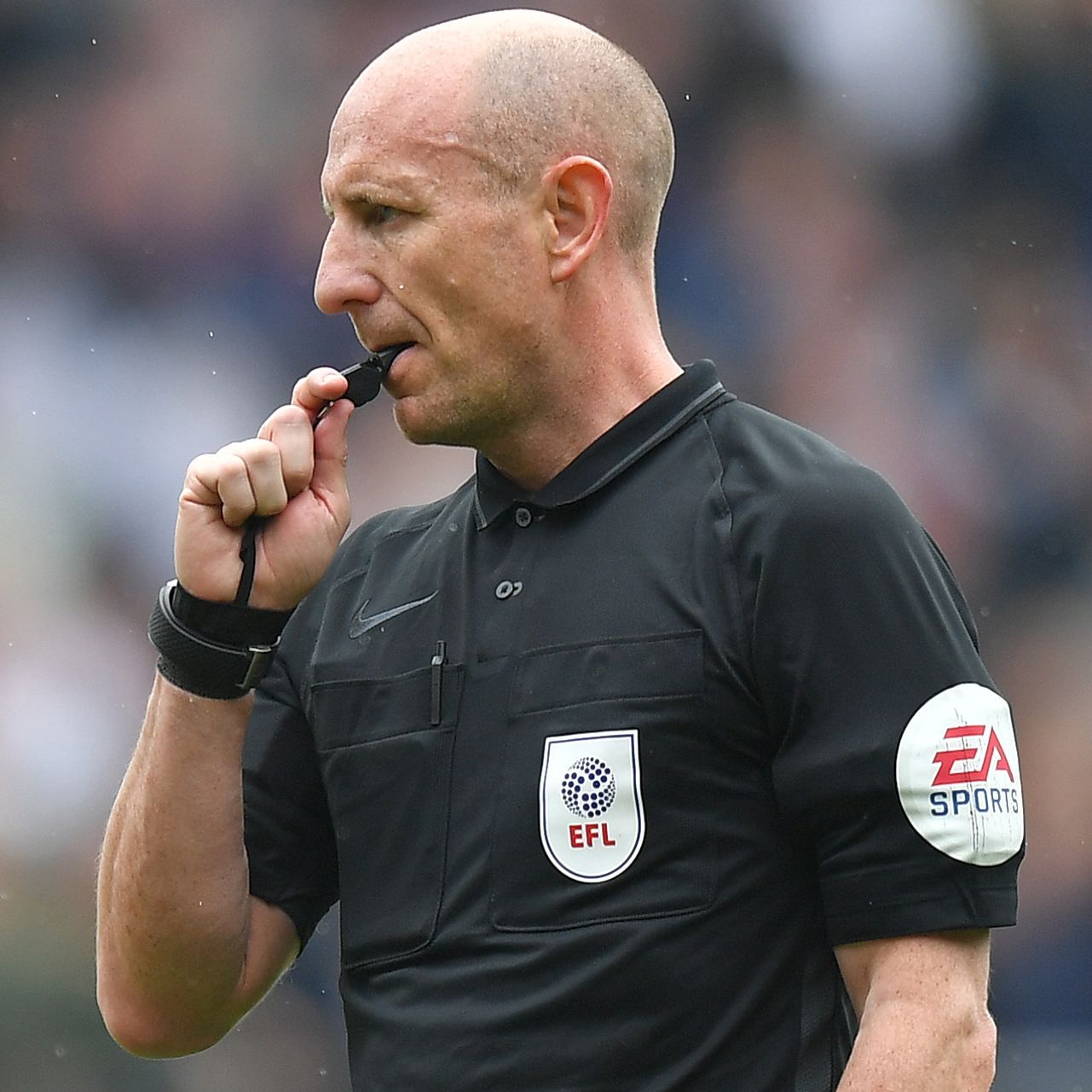 Andy Davies (@andydaviesref) is a former Select Group referee with over 12 seasons of experience at the elite level, officiating in both the Premier League and Championship. His deep understanding of the game and experience with VAR in the Premier League provide valuable insight into the protocols and rationale applied during matchdays.


Referee: John Brooks
VAR: James Bell
Time: 16 minutes
Incident: Factual VAR overturn
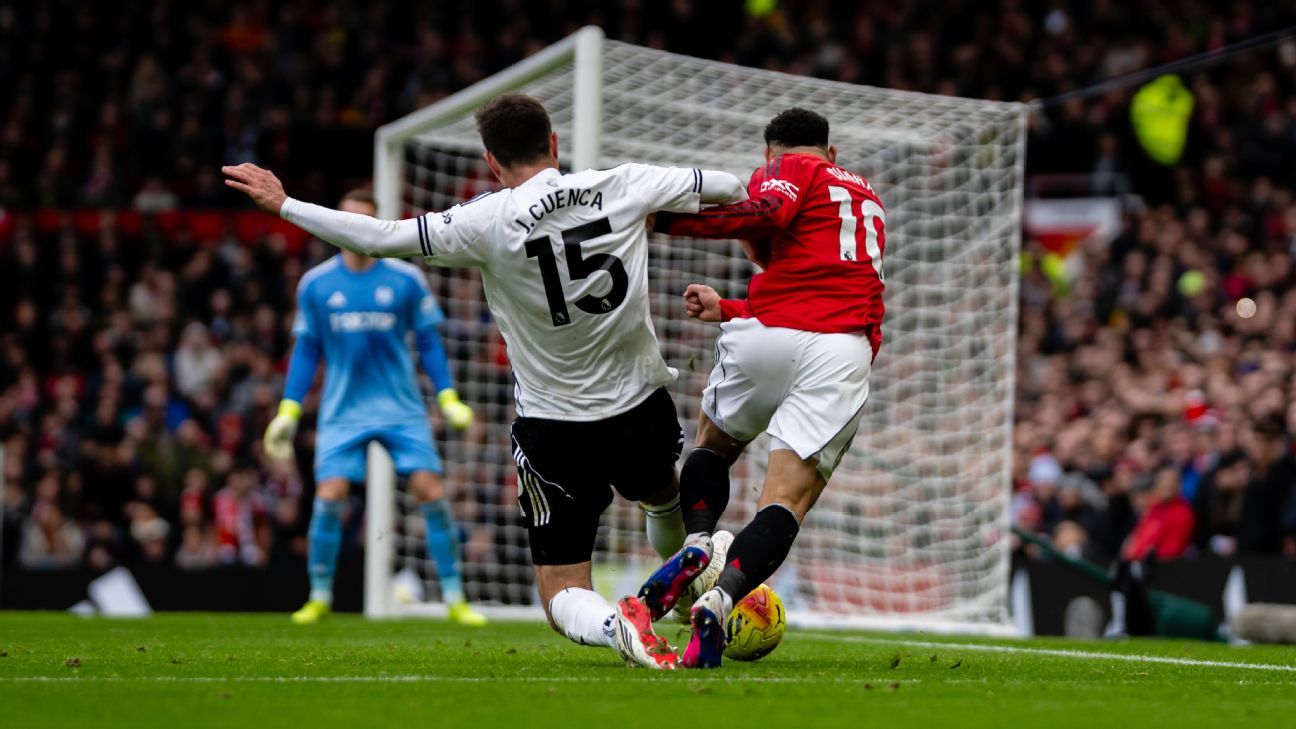
Incident Overview: Manchester United was initially awarded a penalty after a foul on Matheus Cunha by Fulham defender Jorge Cuenca. However, following a VAR review, the penalty decision was reversed, and a free kick was awarded instead.
VAR Decision: Upon reviewing the play, the VAR determined that the foul occurred outside the penalty area and communicated to the referee, “After review, the Fulham No. 15 commits a holding offense outside the penalty area. The final decision is a free kick to Manchester United.”
VAR Review Process: The critical aspect of this review was the live communication relayed by Brooks. He indicated that he believed he identified a holding offense that began outside the box and extended into it, leading him to award a penalty kick. Many fans perceived the penalty as being awarded for the challenge by Cuenca on Cunha, where Cuenca clearly made contact with the ball.
However, the VAR’s evaluation focused on the upper-body contact Brooks described. Ultimately, it was determined that the contact began and concluded outside the penalty area, rendering the initial penalty award factually incorrect and necessitating an overturn.
A quick secondary review of Cuenca’s challenge was conducted by the VAR, resulting in a message to Brooks to reverse his initial ruling.
Final Verdict: While the appropriateness of penalizing the holding offense is debatable, this particular instance fell on the lower end of the threshold for fouls. It gained attention mainly due to the penalty overturn and the fact that Manchester United capitalized on the resulting free kick to score.
If the holding offense had occurred within the penalty area, VAR would have reviewed it on the basis of a foul, but since it didn’t, it was strictly a factual reversal based on the foul’s location, eliminating the need for the referee to consult the monitor.
Overall, the outcome was correct.