



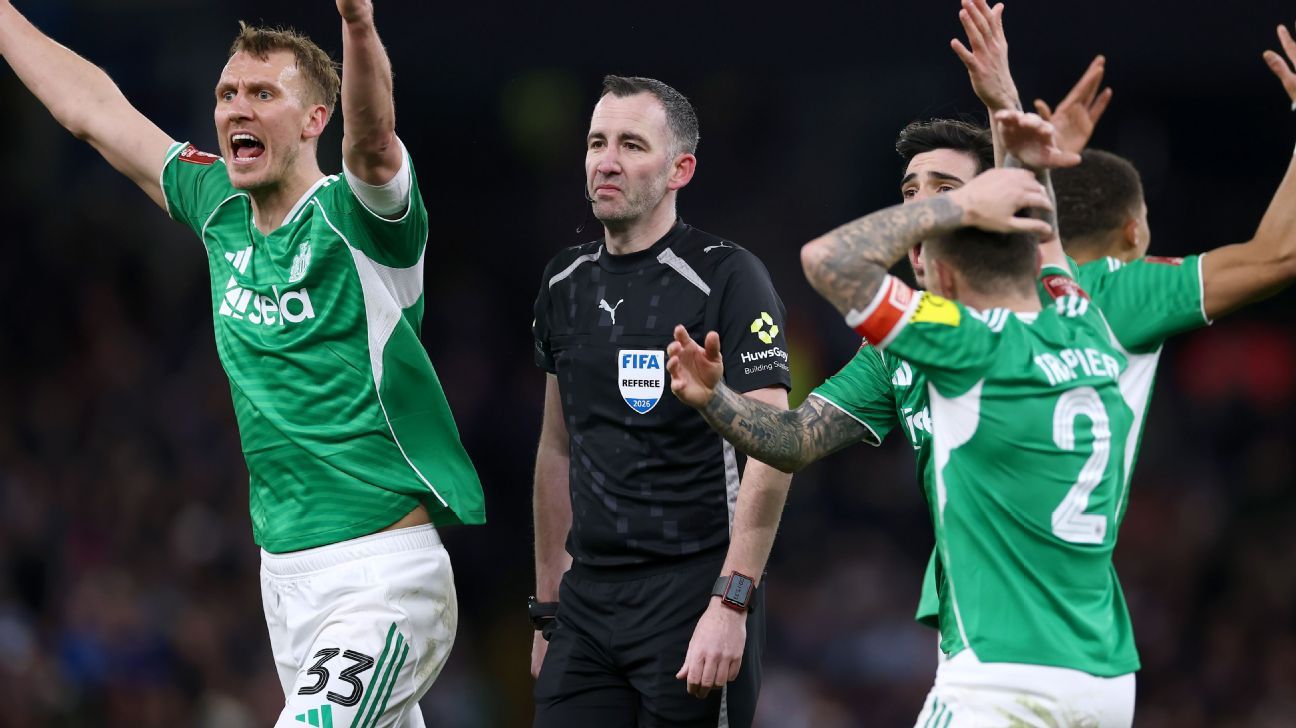
Reflect on the FA Cup third round from last month. Remember how “refreshing” it felt to watch high-level football without VAR? Many players, coaches, supporters, and analysts shared that sentiment. They claimed it allowed for a more enjoyable experience, with many asserting that football was simply better without VAR.
However, the fourth round of the FA Cup this weekend yielded a completely different perspective.
Every year, the middle rounds of the FA Cup evoke memories of an era devoid of VAR, as its implementation begins only in the fifth round. Yet, as this weekend demonstrated, refereeing controversies are still prevalent.
In a single match—Newcastle United’s visit to Aston Villa on Saturday—there were notable officiating blunders, including a missed red card, a penalty not awarded, and an offside goal that should have been disallowed. This was amidst a weekend where Barcelona experienced a frustrating eight-minute wait for VAR to invalidate a goal against Atlético Madrid, making the FA Cup fourth round a strong argument for the necessity of VAR.
The stark contrast between the third and fourth rounds of the FA Cup exemplifies a fundamental dilemma in soccer: the sport’s indecision regarding VAR. While there appears to be a consensus on its usage, the reality is more complicated.
VAR may strip away some of the joy from the game, yet it introduces a level of precision that modern football has come to expect.
Considering this, our “VAR Review” column delves into significant incidents from the weekend and ponders how VAR might have changed the outcomes.
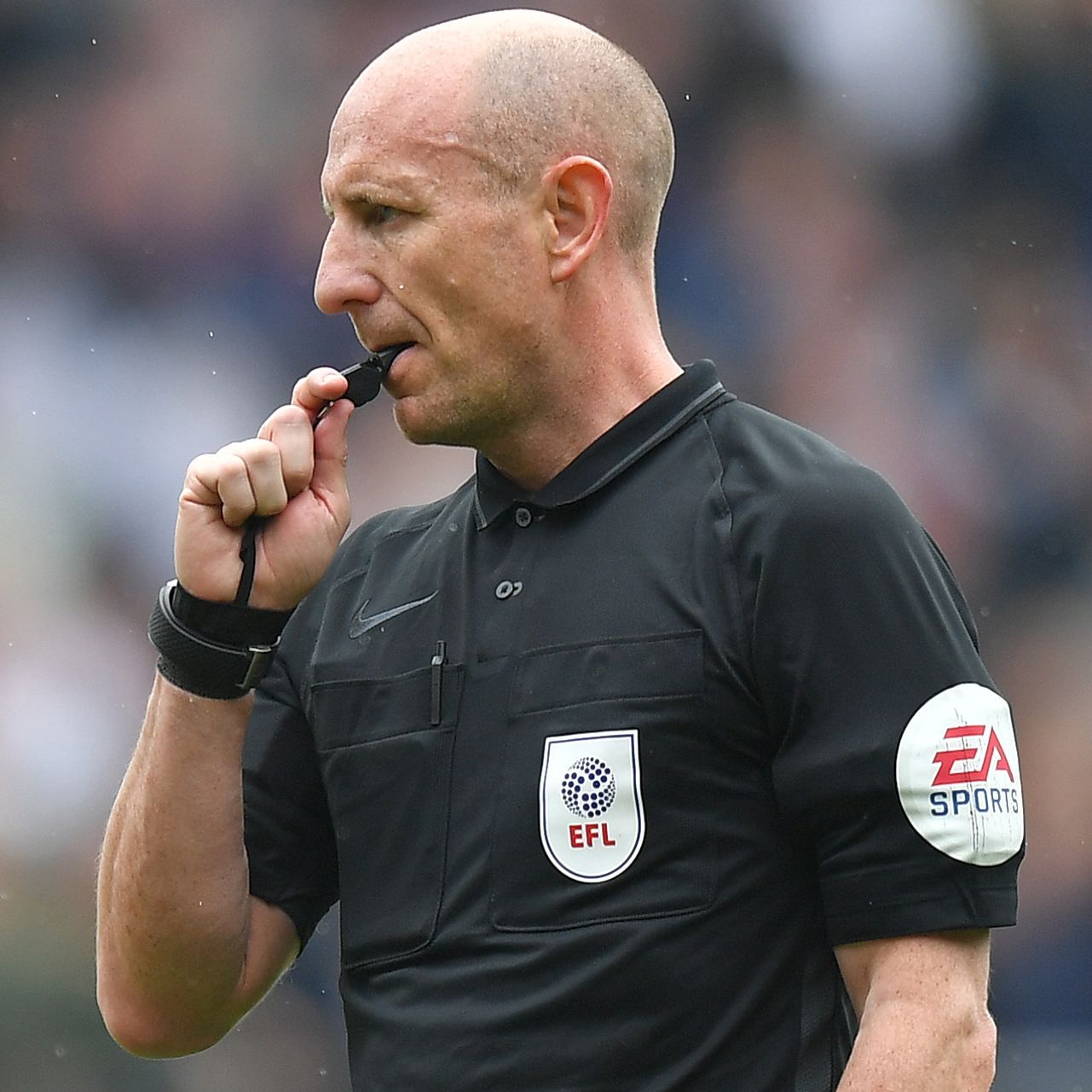 Andy Davies (@andydaviesref), a former Select Group referee with over 12 seasons officiating in the Premier League and Championship, offers insights into the VAR processes, rationales, and protocols observed on matchdays.

Referee: Chris Kavanagh
VAR: No VAR
Time: 14th minute
Incident: Tammy Abraham goal
What occurred: Aston Villa’s Douglas Luiz executed a clever free kick, chipping the ball over the Newcastle wall to find striker Abraham, who controlled it and scored.
Referee’s decision: Goal
Verdict: This was the type of goal likely disallowed in the Premier League, as replays show Abraham was in a clear offside position when Luiz played the ball. Such an error would have been quickly flagged by the VAR technology, resulting in the goal being overturned. However, without VAR, the assistant referee faced difficulty in making the correct call due to the speed of play and obstructed views.
Time: 42nd minute
Incident: Lucas Digne tackle on Jacob Murphy
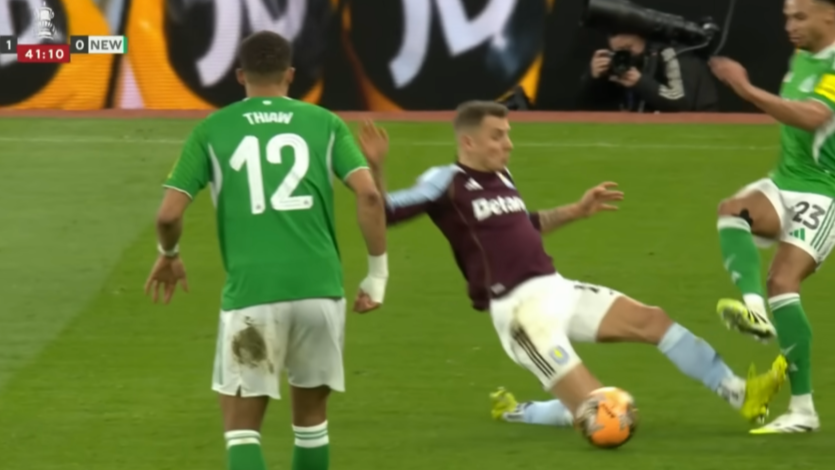
What occurred: Villa’s Digne made a reckless sliding tackle on Newcastle’s Murphy, catching him on the shin without touching the ball.
Referee’s decision: Yellow card
Verdict: With both the assistant referee and fourth official positioned well, it would seem Kavanagh consulted them before issuing the yellow card. However, due to the challenge’s severity, it should have warranted a red card. In this scenario, VAR would likely have signaled for a review, granting Kavanagh a chance to reassess the incident before making a final decision. Instead, without VAR’s support, the initial decision stood.
Time: 61 minutes
Incident: Digne handball
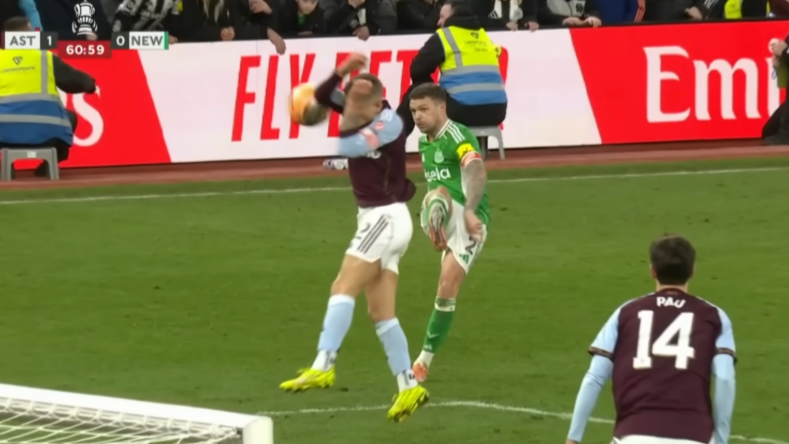
What occurred: Newcastle’s Kieran Trippier delivered a cross that Digne blocked with his arm, which was positioned above his head, inside the penalty area.
Referee’s decision: Free kick awarded for handball (not a penalty)
Verdict: The decision to give a free kick rather than a penalty stemmed from the belief that the handball occurred outside the box. Kavanagh’s focus on Trippier’s kick may have led him to miss the infraction. The roles of both the referee and assistant are critical at this level, and with VAR, the possibility to correct such a mistake was present, potentially leading to a penalty instead of a free kick.
Kavanagh undoubtedly felt disappointed with his team’s performance in these crucial moments. Ultimately, as the head referee, he is responsible for these critical decisions. This encapsulates the reality of elite officiating: you are judged not only on the overall match but also on the key incidents that shape it. Without VAR and with limited support from his team, a challenging situation unfolded.



Referee: Matt Donohue
VAR: No VAR
Time: 22nd minute
Incident: Omar Marmoush disallowed goal
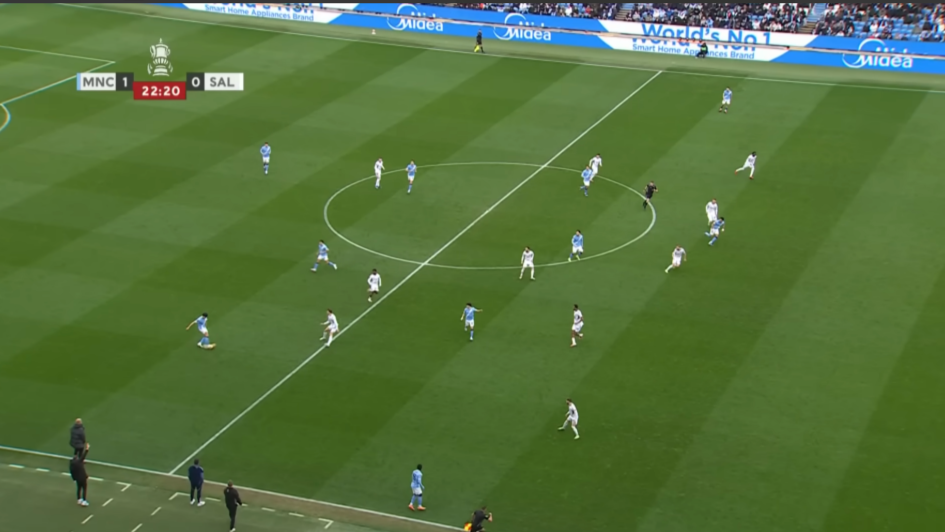
What occurred: Manchester City’s Marmoush found himself clear on goal, firing a shot into the top corner that would have given his team a 2-0 lead, only for it to be called back for offside.
Referee’s decision: Offside
Verdict: While the initial view suggested an incorrect offside call, further examination was less clear. These situations can often be misleading from a distance. A VAR review would have greatly clarified the situation, but that option will have to wait for the next round.