



On February 22, violence erupted across Mexico following the assassination of Cartel Jalisco Nueva Generación leader Nemesio “El Mencho” Oseguera Cervantes, leading to a wave of retaliation involving arson, road blockades, and vandalism.
The unrest resulted in the postponement of professional soccer matches, including Liga MX’s contest between Querétaro and FC Juarez, along with a crucial women’s match between Chivas and América.
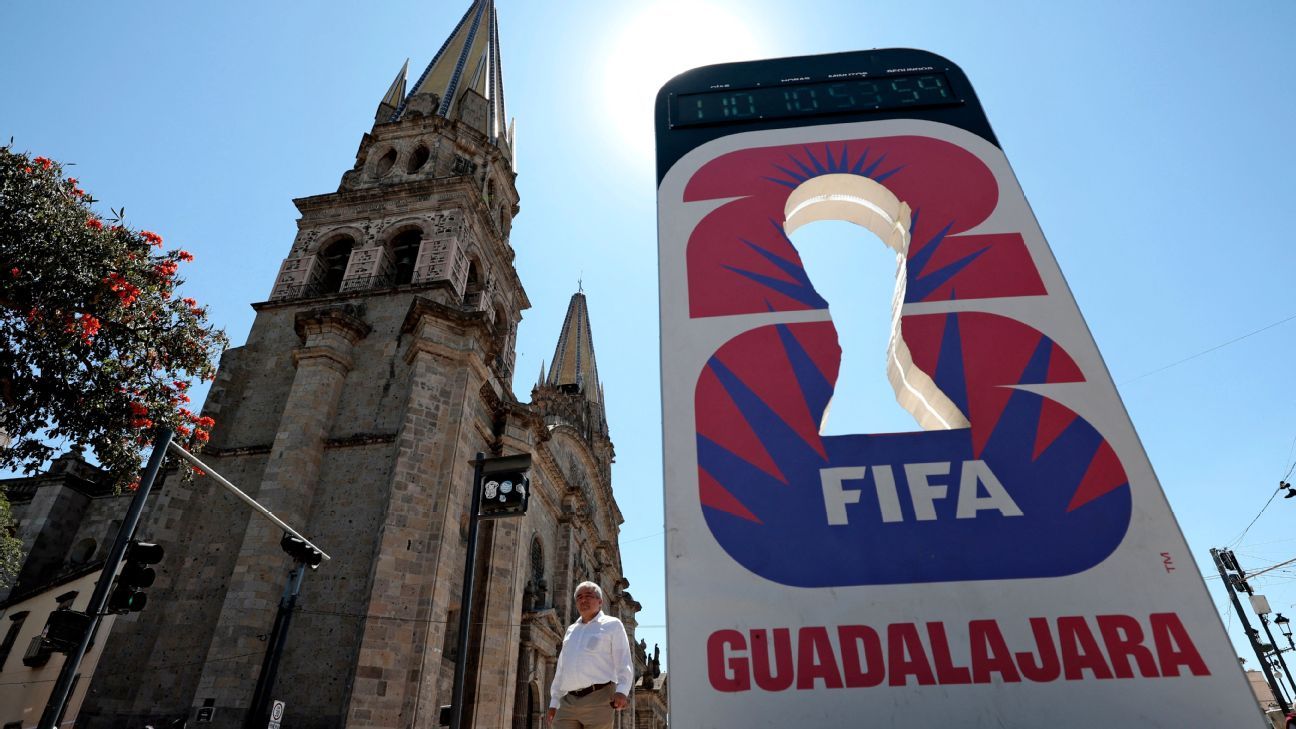
With the FIFA World Cup approaching, concerns are being raised about the safety of spectators who plan to visit key tournament locations like Monterrey, Mexico City, and Guadalajara.
Nonetheless, signs of normalcy are returning—Mexico hosted a crowd of over 30,000 in a friendly match against Iceland at Estadio Corregidora, achieving a convincing 4-0 victory without any reported incidents.
However, the shadow of recent violence lingers, creating a lingering sense of unease.
What transpired in Mexico?
Just southwest of Guadalajara, Mexican forces participated in a special operation on Sunday that killed Oseguera Cervantes, one of the U.S. Department of State’s most wanted fugitives. During the conflict, over 70 individuals, including members of the Mexican National Guard and suspected criminals, died.
The Mexican foreign ministry reported that no foreigners were harmed during the violence.
In retaliation for losing their leader, cartel members executed a series of violent protests across the country, particularly in Jalisco, causing residents to seek shelter and airlines to issue travel warnings for Guadalajara and Puerto Vallarta.
In response to the unrest, the U.S. embassy advised its citizens to remain indoors in affected areas.
By Wednesday, with the chaos subsiding, the U.S. government encouraged citizens to return to normal precautions while staying informed through local media.
What are local leaders and FIFA saying?
The day Oseguera Cervantes was killed, multiple matches in Liga MX, Liga MX Femenil, and the men’s second division were postponed.
Reports surfaced that FIFA is monitoring the security situation closely, particularly in Guadalajara, which is set to host several World Cup matches in March.
Jalisco’s governor Pablo Lemus dismissed concerns on Tuesday, asserting that there was “absolutely no possibility” that FIFA would withdraw any matches from Guadalajara after consulting with representatives from the organization.
Days later, FIFA president Gianni Infantino expressed trust in Mexico, stating, “We are monitoring the situation, but we have complete confidence in Mexico and its authorities.” He assured that preparations would proceed smoothly.
Claudia Sheinbaum, the president of Mexico, echoed these sentiments, claiming, “There is no security risk,” and emphasizing the country’s commitment to ensure a safe environment.
As of Tuesday, ESPN reported no new developments regarding any potential relocation of World Cup events.
What’s next for Mexico? Are visiting nations concerned?
The friendly match against Iceland in Querétaro concluded without a hitch, indicating a potential return to normalcy. Coach Javier Aguirre affirmed before the match that the federation had ensured the safety of all attendees.
“We are mindful of the current situation,” Aguirre stated. “The Mexico Football Federation has assured me that everyone will be safe.”
“We’re here and calm, focusing on training and sports—that’s the message I want to convey to the fans,” Aguirre added.
While Mexico appears to be moving forward, some visiting nations have expressed caution, monitoring the situation closely ahead of upcoming fixtures.
As the March match in Mexico City’s famed Estadio Azteca approaches, the Portuguese Football Federation stated it is “closely monitoring the delicate situation currently unfolding” while prioritizing the safety of players and fans.
Similarly, Jamaica’s federation president voiced his anxiety over the upcoming matches, stating, “It’s making me very nervous, to be honest. We will rely on Concacaf and FIFA for guidance on whether we will proceed or consider other options.”
Currently, there are no indications that matches will be moved from Mexico, and all signs point to the three host cities remaining vital for the upcoming World Cup. However, close observation will continue as developments unfold.