



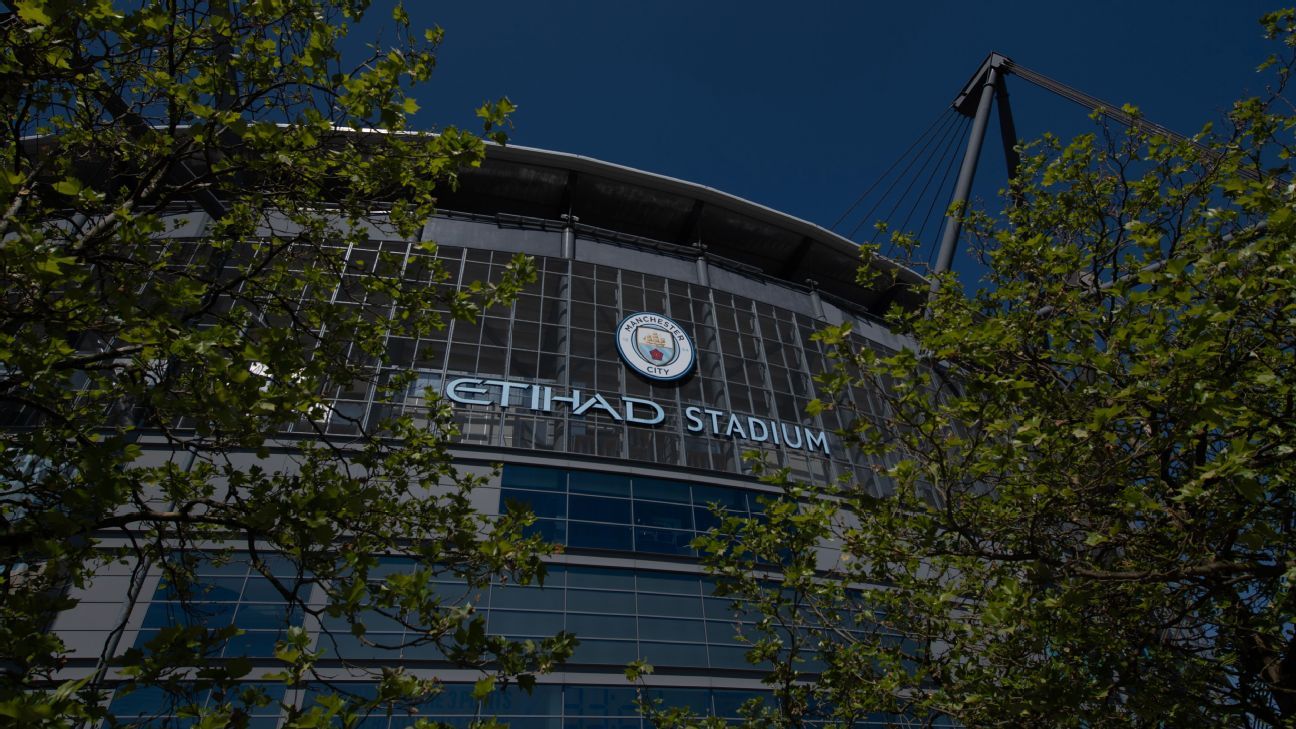
More than three years have elapsed since the Premier League accused Manchester City of violating numerous regulations concerning financial misconduct, including false accounting, undisclosed payments, and non-cooperation with investigators. City firmly denies the allegations.
If City is found guilty of any charges, they could face various penalties, including fines, points deductions, title revocation, or even expulsion from the Premier League. Additionally, if found guilty, they risk being liable for damages in league arbitration if other clubs seek compensation for lost revenues. A three-member independent panel is responsible for delivering the verdict.
“While the complexity of the Manchester City case is undeniable—being unique in a sports context—similar commercial cases have reached conclusions in significantly less time than the 15 months we’ve seen so far,” notes Stefan Borson, head of sport at London’s McCarthy Denning firm. “There are few valid reasons for the delay, and urgent action is needed.”
The pressing question: Why the prolonged delay?
The reasons for the extended timeline remain largely a matter of speculation, largely due to the opaque nature of the process. This lack of transparency is partly due to Premier League regulations permitting defendants to request confidentiality and is also influenced by UK laws that protect defendants in specific scenarios.
One example highlights the lack of clarity. The investigation into City commenced in December 2018 following the leaks of sensitive documents by the German magazine “Der Spiegel.” However, the public only learned of the investigation in March 2021 when a High Court ruling against City revealed that they had attempted to block access to pertinent documents. The start of the investigation was confirmed in official documents, but the Premier League did not publicly acknowledge any scrutiny of City at that time.
Similarly, the hearings themselves, which were private and confidential, started on September 16, 2024, at the International Dispute Resolution Centre in London. This information came to light through leaks, including media coverage showing lawyers arriving and leaving the venue. The hearings reportedly concluded in December 2024, as mentioned in Manchester City’s 2024-25 annual report; subsequently, Pep Guardiola indicated in February 2025 that the verdict would be announced “in one month.”
One month? It’s now been 12 months or more…
Indeed, this reveals the extent of the silence surrounding the process. Little is known apart from the existence of the charges. For instance, the identities of the three members of the independent commission tasked with making a judgment remain undisclosed. The panel was assembled by Murray Rosen, the chair of the Premier League’s judicial panel at the time; some reports even suggest he joined the panel himself, though this remains unverified.
If the hearings wrapped up in December 2024, why the prolonged wait for the panel to deliver its verdict?
That’s the key question.
There are various theories as to why, many cited by sports lawyers.
First, it’s an extensive and intricate case. There is uncertainty about the total number of charges; it has become known as the “115 charges” case because of the points outlined in the initial document, but some sources indicate that the actual number of rule violations may be as high as 130, though overlaps may exist (i.e., where one action breaches multiple rules).
It’s possible that additional charges have been introduced since the original document was issued, particularly concerning alleged failures to cooperate. Regardless, each charge requires individual proof supported by specific evidence.
Moreover, many charges imply intent to deceive regulators and/or obstruct investigators. The panel needs to determine not merely whether City violated spending regulations but also if they did so deliberately and concealed the truth to undermine the regulations, including the suppression of evidence. To illustrate, there’s a clear distinction between simply exceeding speed limits and intentionally tampering with traffic enforcement measures while misleading law enforcement. The burden of proof is significantly heavier in the latter scenario.
It’s important to note that the panel will not just issue a ruling and penalty but will also provide “written reasons” explaining their conclusions. These written justifications may form the basis for potential appeals—either by City or the Premier League—requiring them to be robust under scrutiny.
Why has it taken longer than a year to reach a verdict since the hearing concluded in December 2024? Surely they have staff to assist them…
This is another layer to consider. It’s highly probable that the panel members are not dedicating full-time efforts to this case. One would assume that each has other commitments, and the complexity of the case likely necessitated them finding slots in their busy schedules for hearings and deliberations.
Borson observed, “The members of the independent commission have undoubtedly had other obligations since the hearings concluded and are likely intent on making their decision as defensible against potential appeal as possible, given the exceptional scrutiny this decision will face.”
Why wasn’t more time planned for the deliberations?
This remains an enigma. It seems reasonable that securing highly qualified legal and financial experts for deliberation would mean their time is in great demand elsewhere. These are not jurors sequestered away; they are established figures handling significant cases in their everyday practices. They can’t simply be absent for an extended period.
There’s another possible explanation that could clarify several mysteries surrounding this situation.
What’s that?
There’s a chance that, alongside arbitration proceedings, the Premier League and Manchester City are engaged in negotiations for a settlement. The Premier League is ultimately comprised of its 20 member clubs, so if they come to a mutual agreement, that could resolve the issue. However, this seems improbable due to the inherent difficulty of reaching a consensus that satisfies all parties involved, especially given the tendency for leaks in club dealings (with no information emerging so far).
What form might a settlement take? City may need to acknowledge some wrongdoing and accept some form of punishment, while rival clubs might have to drop demands for legal recourse to recover losses.
How might this be structured? One possibility could involve attributing blame to the club’s management, claiming that the owners were entirely oblivious to the actions undertaken by those they hired. A negotiation might then follow, encompassing a penalty that is severe enough to appease the “victim clubs” while not so harsh that it undermines City’s future competitiveness. The worst-case scenario for those clubs would be to see City fight through the commission’s rulings and subsequent appeals.
While the likelihood of this scenario is low, it could explain the delayed deliberations. It would allow the Premier League to reach closure and proceed because, regardless of the outcome, it’s likely that the losing side will appeal, further prolonging the issue, which is not ideal for the Premier League.