



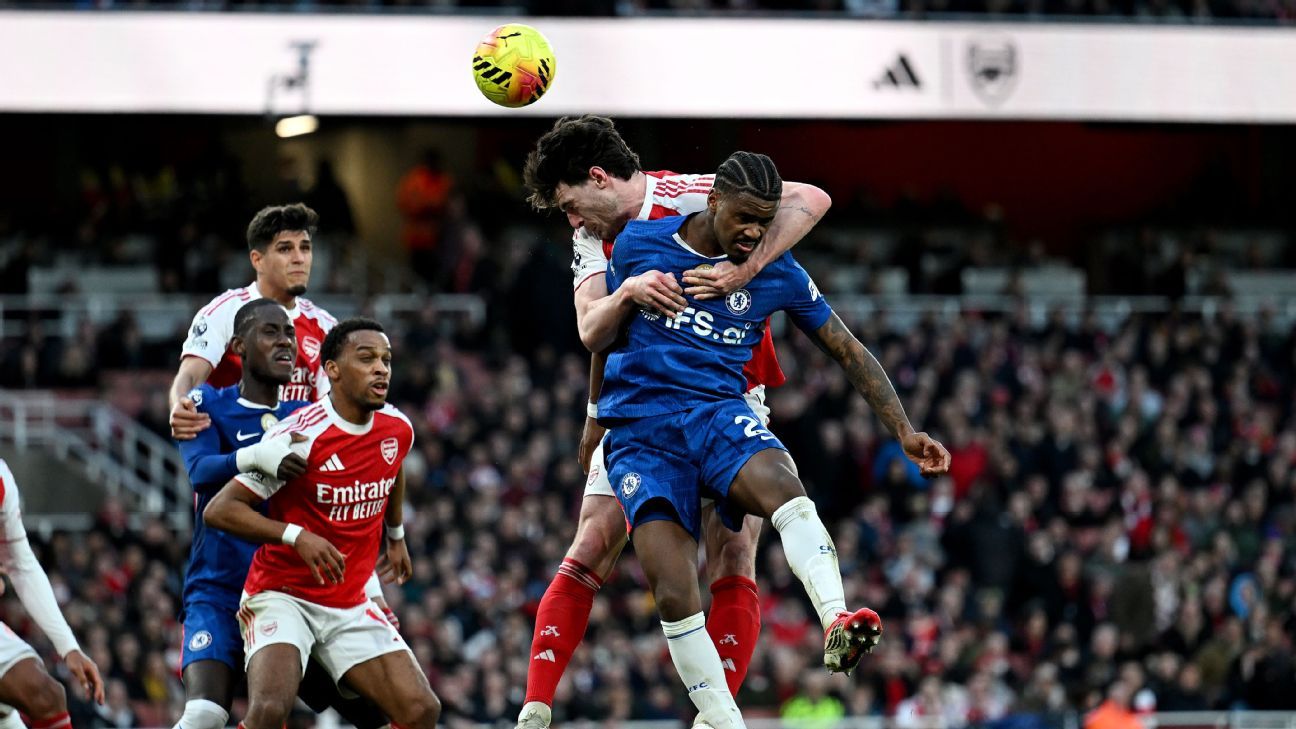
The video assistant referee (VAR) sparks debate in the Premier League every week. But how are decisions made, and are they accurate?
This season, we will analyze key incidents to clarify the process regarding both VAR protocol and the Laws of the Game.
 Andy Davies (@andydaviesref), a former Select Group referee, boasts over 12 seasons on the elite officiating list, officiating in the Premier League and Championship. With his vast experience, he brings unique insights into the protocols and rationale behind VAR decisions on Premier League matchdays.

Referee: Darren England
VAR: John Brooks
Time: 44th minute
Incident: Potential handball in the box leading to a penalty kick
What occurred: During a corner taken by Chelsea, Arsenal’s Declan Rice attempted to clear the ball and seemed to make contact with it using his elbow. Referee Darren England dismissed the appeals for a penalty.
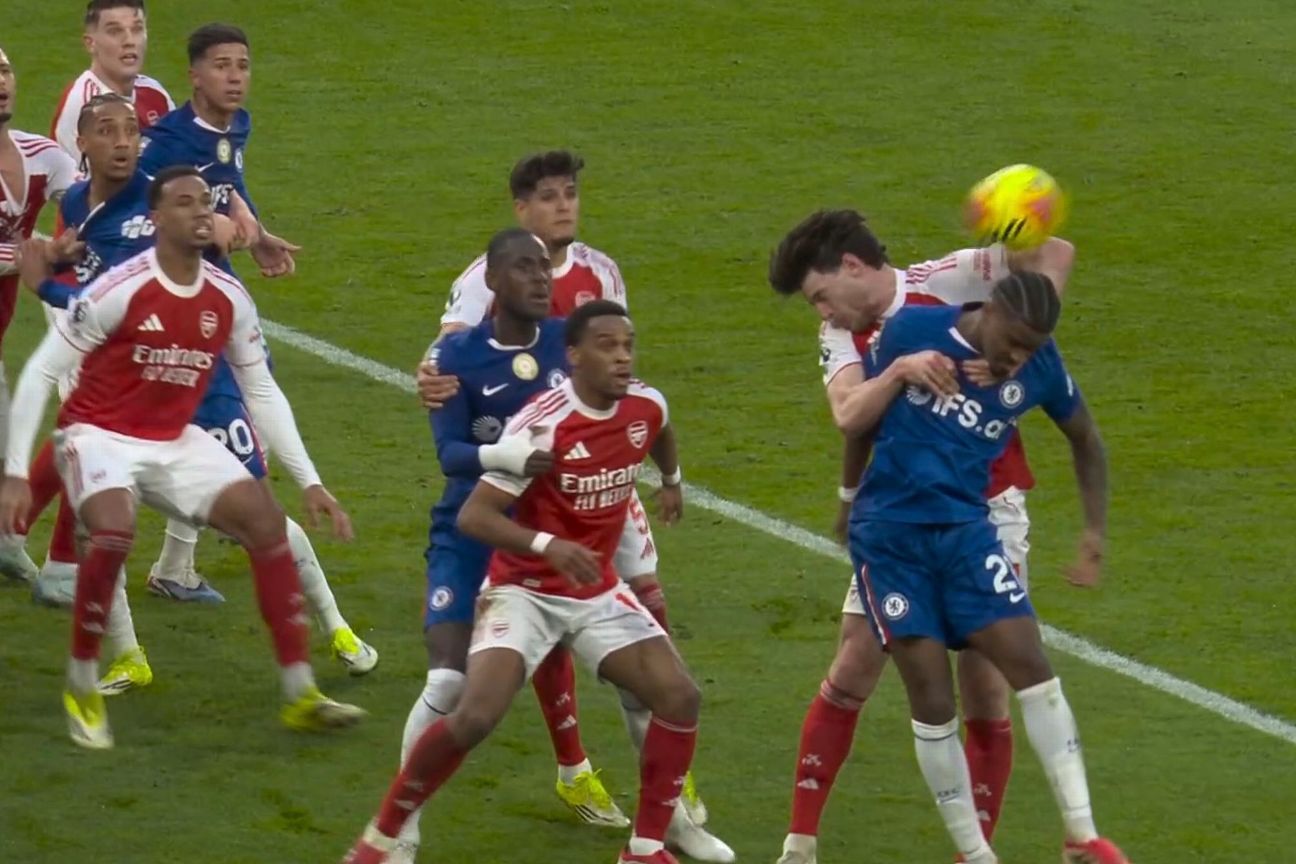
VAR decision: After reviewing the on-field decision, VAR confirmed England’s ruling of no penalty, judging that Rice’s movement was part of normal physical behavior while contesting the ball.
VAR review: As with all VAR checks, the process starts with the referee’s on-field decision. VAR interventions occur only when clear evidence shows an error was made. Referee Darren England had a clear view of this incident and determined that Rice’s contact was acceptable within the context of his jump to challenge for the ball. VAR John Brooks found no additional evidence that contradicted England’s assessment or that indicated a handball had occurred, thus confirming the initial call.
Verdict: Premier League referees maintain a high standard for handball infractions, which deserves recognition. Observing the live incident, I would have found it surprising if a handball had been called due to how the contact transpired. Nonetheless, defenders should be cautious, as moving arms in such scenarios can lead to penalties.
Assessing a potential handball involves considering reasonable arm positions and movements relative to the player’s actions. Rice was jumping, with his arms raised while contesting with an opponent; even though his arm moved, it didn’t constitute a deliberate enlargement of his silhouette.
Handball continues to present challenges in live play, often leading to controversial decisions. I believe the Premier League is currently managing these situations well, penalizing only the most blatant offenses.
Referee: Chris Kavanagh
VAR: Tony Harrington
Time: 52nd minute
Incident: Penalty award and potential red card for Denying an Obvious Goal-Scoring Opportunity (DOGSO)
What happened: Manchester United’s captain Bruno Fernandes delivered a superb pass to Matheus Cunha, who had outmaneuvered Crystal Palace defender Maxence Lacroix and was heading towards goal. Lacroix, responsible for an early goal for Palace, pulled Cunha’s shoulder as he went down. Referee Chris Kavanagh promptly awarded a penalty. The VAR confirmed the penalty and advised a review for a potential red card due to DOGSO.
VAR decision: The first step for VAR was to validate the foul by Lacroix and confirm its location in the penalty area, which was clear. Next, they assessed whether the foul prevented Cunha from having a clear chance to score a goal. Key considerations included the distance from the goal, the direction of play, and the likelihood of the attacker retaining possession.
In these reviews, it’s crucial to pause the footage at the exact moment of foul contact, as allowing it to continue may misrepresent the attacker’s proximity to the ball, potentially misguiding the DOGSO verdict.
Harrington determined that the circumstances warranted a DOGSO review, prompting Kavanagh to reassess the incident on the monitor. After reviewing, Kavanagh concurred with VAR and issued a red card to Lacroix.
Fernandes successfully converted the penalty kick, and just eight minutes later, with Palace down a player, Benjamin Sesko scored to secure United’s victory and propel them to third in the Premier League standings.
Verdict: Kavanagh made the correct call in awarding the penalty and VAR’s suggestion for a red card due to DOGSO was valid. Once Cunha maneuvered past the defender, he had a clear pathway to shoot at goal.
The nature of Lacroix’s challenge dictated the severity of the punishment. Holding the upper body without an attempt to play the ball constituted a red card, while a challenge with an opportunity to win the ball would have warranted only a yellow card. Overall, the decisions made by both the referee and VAR were sound.