



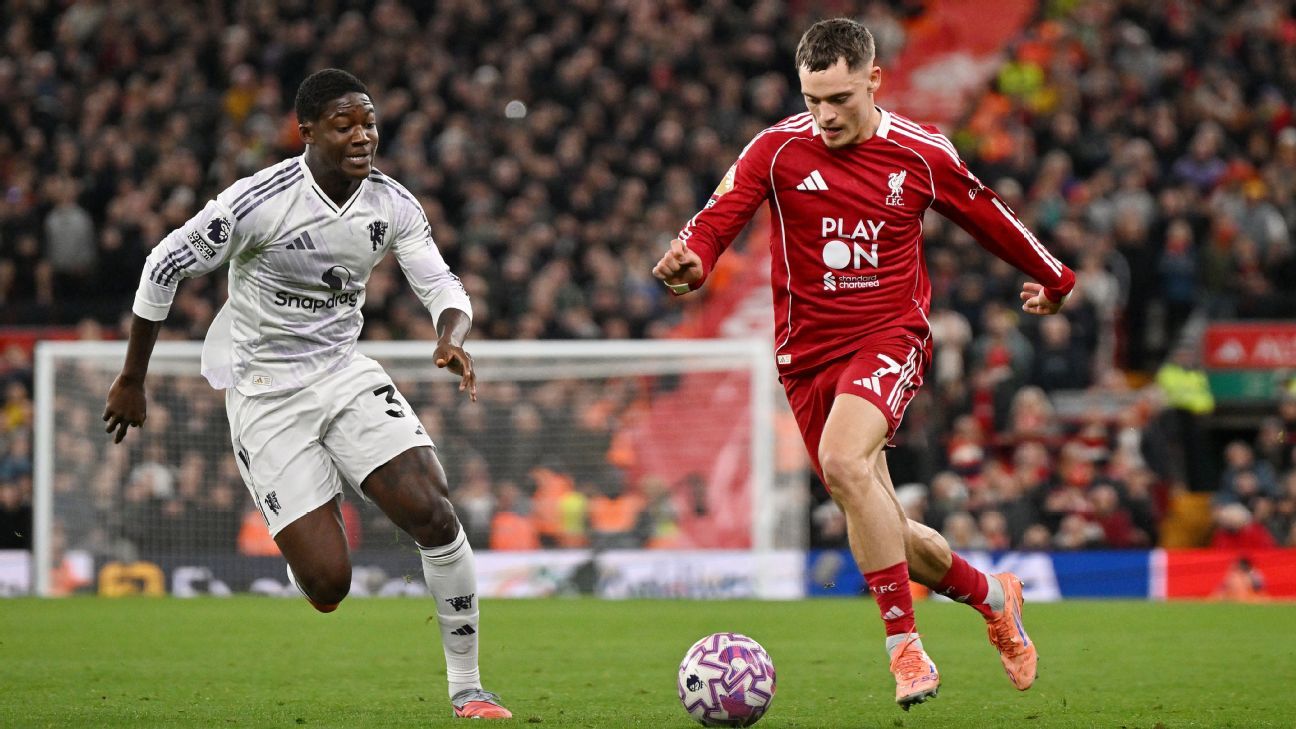
The UEFA Champions League returns this week, and for elite clubs, it’s crucial to ensure its continued presence. This urgency is reflected in the fierce competition among Liverpool, Manchester United, and Chelsea to secure a spot for next season.
While these clubs rank among the most commercially influential in football, a year away from the Champions League can lead to significant financial instability as they struggle to keep pace with the elite.
Combined, Liverpool, United, and Chelsea have a record of 11 Champions League/European Cup titles. When including Aston Villa‘s 1982 European Cup victory, these four clubs have matched the title count of Italy’s Serie A in 70 years of European competition. This is particularly significant in light of the ongoing battle for three Champions League spots via the Premier League, with top teams like Arsenal and Manchester City likely to secure the top two positions.
– Ranked: The 10 worst Premier League teams relative to spending
– Summer transfer needs for all 20 Premier League teams
– Reigning UCL champions PSG release 5th new kit of season
While historical success and renowned status drive clubs to compete with giants like Real Madrid, Barcelona, Bayern Munich, and reigning champions Paris Saint-Germain, the financial stakes tied to Champions League participation are paramount.
For teams like Madrid, Barça, Bayern, and PSG, participation in the Champions League is a yearly expectation, as their domestic supremacy makes it unlikely for them to miss out.
The last time PSG was absent from the Champions League was in 2011-12, while Bayern (2007-08), Barcelona (2003-04), and Madrid (1996-97) have almost forgotten what a season without it feels like. However, for the Premier League’s so-called Big Six—now including Tottenham Hotspur, currently battling relegation—there are simply not enough spots to meet the aspirations of all while maintaining financial confidence.
PSG earned £125.06 million from the UEFA prize fund for winning last season’s Champions League, with runners-up Inter Milan taking in £118.3 million. Among last season’s quarterfinalists, Villa reported £72.5 million from the Champions League, the lowest but still a substantial amount for the club.
Manchester United serves as a stark example of the ramifications of missing out on European competition this season. They not only forfeit potential UEFA prize money but also lose significant matchday revenue at Old Trafford, which averages around £5 million per home game. Had they advanced to the quarterfinals like Villa last season, they would have enjoyed six Champions League home games, translating to an additional £30 million in earnings.
Moreover, United faces financial penalties linked to sponsorship contracts as a result of their absence from the Champions League, including a £10 million reduction from their £90 million annual shirt deal with Adidas. Although the team’s playing and coaching staff endure a 25% salary cut when they miss Champions League football—representing an annual wage bill of £313 million—the reduction (£78.25 million) does not begin to offset the revenue lost from the Champions League absence. United is also staring down £422 million in outstanding transfer payments, needing to repay £238 million by the end of next season, thereby making a return to the Champions League by 2023-24 essential.
Chelsea is similarly dependent on Champions League revenue. Data released by UEFA recently revealed that Chelsea reported a staggering loss of £355 million in the 2024-25 season—more than twice that of the next highest loss, reported by Lyon.
The £84 million gained from their FIFA Club World Cup victory last summer provided much-needed financial relief for Chelsea after a season participating in the UEFA Conference League, which yielded only £19.06 million, despite the team winning the competition against Real Betis in the final.
Even for Liverpool, last season’s Premier League champions, missing out on Champions League qualification could lead to serious financial difficulties. Despite their league title earning them £174.9 million in prize money and £46 million from their Round of 16 Champions League appearance, the club reported only a £15.2 million pre-tax profit in their latest financial statements.
Liverpool’s annual wage bill stands at £428 million—the highest in the Premier League—excluding new contracts for Mohamed Salah and Virgil van Dijk from last summer, as well as the salaries of new signings like Alexander Isak, Florian Wirtz, and Hugo Ekitike following last year’s £450 million transfer expenditure.
In Liverpool’s financial overview, Chief Financial Officer Jenny Beacham emphasized the necessity of competing at the “highest level” to manage the club’s escalating costs. She stated, “The club faces significant cost challenges, including increases in administrative, staffing, and operational expenses, alongside the imperative to compete at a top tier level across both our men’s and women’s teams. Since this reporting period, we’ve made considerable investments to enhance our playing squads, focusing on the club’s present and its future.”
Liverpool has also recently faced the consequences of missing out on the Champions League, as Jürgen Klopp’s last season was spent in the Europa League, impacting the plans of his successor, Arne Slot.
Reflecting on this, Slot commented, “It’s vital for our team to participate in the Champions League; the financial implications underline this importance.” He noted that, “During my arrival season, we largely managed our signings based on the absence of Champions League football, which limited our options.”
“Transitioning effectively is easier with available financial resources.”
Thus, while the Champions League remains an essential arena for elite clubs, it transcends mere prestige; it is now a crucial revenue source. As competition intensifies within the Premier League, the financial repercussions of failing to qualify are growing increasingly severe.