



-

Jeff Carlisle
Multiple Authors
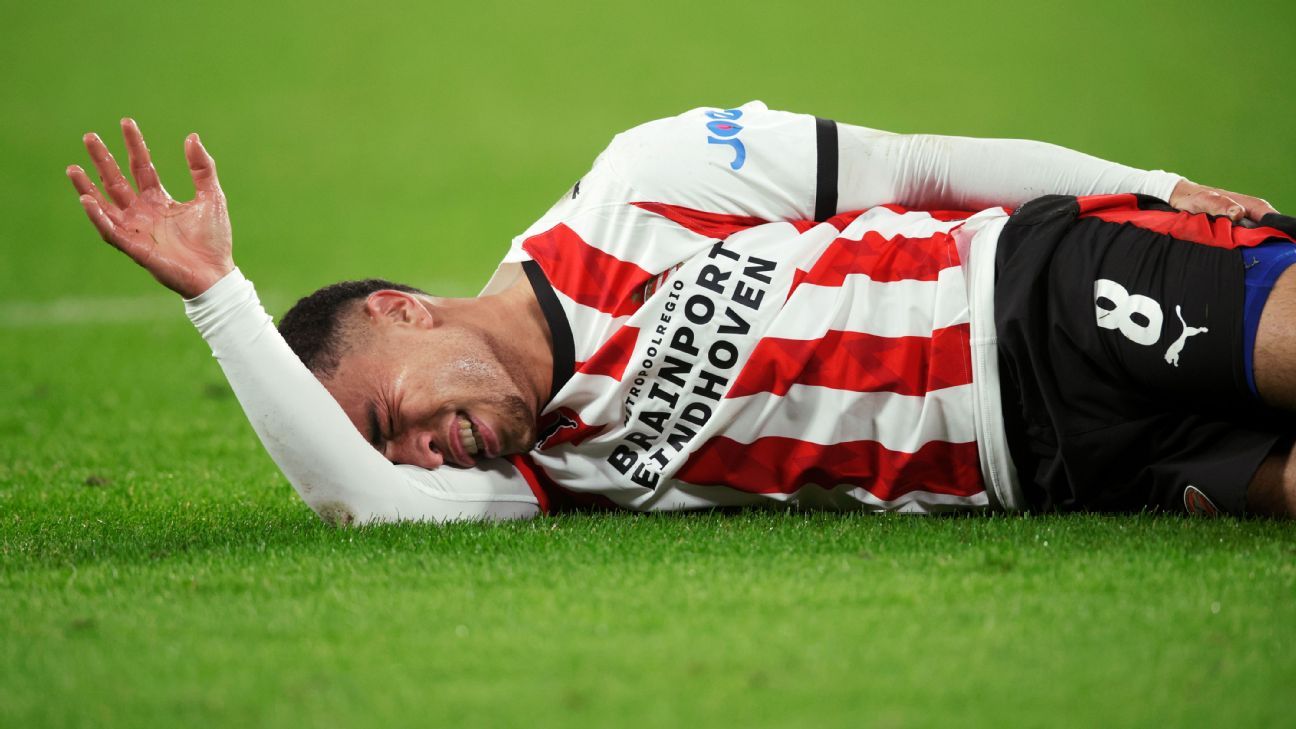
Every athlete fears their biggest moment—a major event like the FIFA World Cup in their home country—being jeopardized by injury. After years of dedication, a player’s aspirations can hang by a thread when an injury strikes.
As doubts surface—Will I recover? At what level will I return? What does it mean for my future?—the emotional toll can be overwhelming.
This has been the reality for several members of the U.S. men’s national team in recent months. Defender Sergiño Dest is racing against time to recover from a hamstring injury sustained on March 7—though he recently shared on USMNT’s Instagram, “I’m doing really well… I’m almost back.” Meanwhile, midfielder Tyler Adams has faced multiple injuries, including a torn MCL, but is now back in action.
Others have suffered more serious injuries. Forward Patrick Agyemang of Derby County tore his Achilles tendon on April 6, ending his World Cup aspirations for this cycle.
So, how do athletes manage and recover from such setbacks, especially with a major tournament nearing? The recovery process poses numerous challenges, blending the physical side with crucial mental aspects. Dr. Jessica Bartley, director of psychological services for the U.S. Olympic and Paralympic Committee and a former member of U.S. Soccer’s mental health task force, highlights the significance of mental health in these situations.
“We incorporate psychology into every injury,” Bartley explained. “Our athletes’ recovery program at the USOPC integrates mental strategies with physical recovery. We emphasize setting timelines and fostering a positive mindset.” She mentioned techniques like mental imagery, visualization, and virtual reality as vital tools, asserting that mindset plays a crucial role in recovery.
Navigating the Injury Landscape
The looming threat of injury looms over every athlete like a specter, particularly at the professional level, where their livelihoods depend on physical performance. Preparation for significant events requires a synergistic approach, uniting the mind and body.
“What’s interesting is the emergence of athletes engaging in ‘prehab,'” Bartley noted. “Today, there are numerous preventative strategies available to safeguard both body and mind, ensuring the best preparation possible.”
Injuries are unavoidable throughout an athlete’s career, leading to a complicated mental dance in which athletes strive to avoid focusing on injuries while simultaneously investing in preventive measures.
As U.S. and Charlotte FC defender Tim Ream expressed, “If you constantly think about it, it’s almost like a curse that builds. You try to push it from your mind, but injuries still happen.” Ream recently exited a match with a groin injury.
The emotional toll of injuries varies significantly, particularly concerning long-term recovery prospects. Following his MCL injury in December, Adams felt unwaveringly confident about his return to the World Cup, stating, “I knew what I did immediately—it was a typical MCL injury.”
Striker Ricardo Pepi also had a grounded response after sustaining a broken arm in early January. While contemplating World Cup implications, his immediate priority remained getting back on the field as quickly as possible.
Longer-term injuries, however, can weigh more heavily on an athlete’s mental state, often leading to doubts and fears regarding their recovery.
1:16
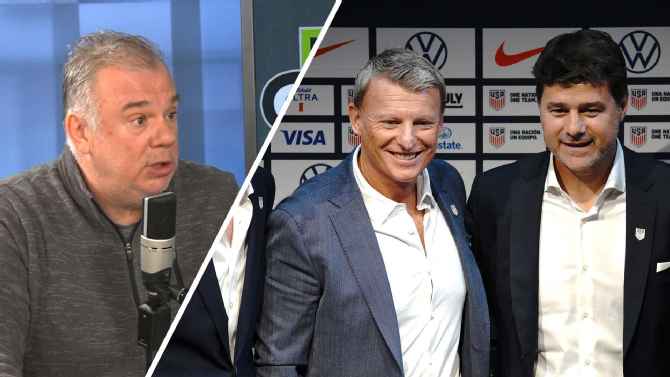
Marcotti: Pochettino should want answers about Crocker’s resignation
Gab Marcotti discusses the ramifications of Matt Crocker’s resignation as sporting director of the U.S. Soccer Federation.
Following surgery for right knee tendon calcification last May, U.S. and Fulham defender Antonee Robinson initially hoped for a swift recovery. While he returned in late August, ongoing challenges affected his mental well-being, leading to uncertainties about his World Cup eligibility.
Robinson eventually found his footing by December and has been a regular starter since. Nevertheless, the mental strain of the journey was undeniable.
Confronting the Inner Critic
Former U.S. international Stu Holden is well-acquainted with the emotional turmoil that accompanies injuries before vital tournaments.
In March 2010, Holden was on the rise with Bolton Wanderers and the USMNT, but a reckless tackle fractured his leg, jeopardizing his World Cup chances.
He recalled, “My immediate reaction was despair; I knew my World Cup dreams were threatened.” Faced with a critical decision—natural healing or surgical intervention—Holden chose surgery to hasten his recovery, launching into an intense rehabilitation regimen.
Although he returned to his club before the season’s end, he soon realized he wasn’t fully fit during the USMNT’s pre-World Cup camp. Reluctantly, he watched as he fell behind in fitness rankings, battling intense pain while grappling with self-doubt.
“You’re constantly battling your inner voice,” he shared. “I often felt as though I was missing out on a chance to shine. I motivated myself by reminding me that making the World Cup was worth any sacrifice.”
These self-discussions resonate with Bartley, who notes that fluctuations in self-talk are critical for athletes during rehabilitation. Discussions can shift between motivation and pressure.
“In many situations, self-talk is a positive tool, but sometimes you must deliver tough love,” she explained. “Finding authenticity in your self-talk is crucial for motivation and progress.” Alongside self-talk, athletes can lean on affirmations, support networks, and routines to cultivate a positive mindset. However, modern media can present challenges, as footage of injuries often circulates quickly on social platforms. Bartley recognizes the psychological repercussions of reliving such moments.
“Athletes face the need to rationalize that they’re doing everything possible to rebound, yet the constant visibility of their injuries can intensify fears,” she said. “It’s crucial to apply scientific understanding to challenge those concerns.”
From Victory to Setback
Holden ultimately secured his place in the 2010 World Cup squad after a strong performance in a pre-tournament friendly. Manager Bob Bradley opted to include him in South Africa, where he made a brief appearance against England.
His journey underscores the importance of mental tenacity—combining talent with resilience to thrive through adversity.
Unfortunately, Holden faced a setback in the 2014 cycle with a re-injury of the same ACL. Even then, words of encouragement from manager Jürgen Klinsmann offered hope during a challenging time.
Historically, no team participating in a World Cup is entirely injury-free. This has held true for the U.S. as well.
In 2002, midfielder Chris Armas was sidelined by a torn ACL, and in 2006, defender Cory Gibbs was also ruled out due to injury. More recently, defender Chris Richards missed the 2022 tournament with a hamstring injury.
Conversely, there have been success stories: Oguchi Onyewu and Weston McKennie both overcame injuries to play in the World Cup. With 2026 on the horizon, the USMNT members hope to avoid injury misfortunes and finally realize their dreams.