



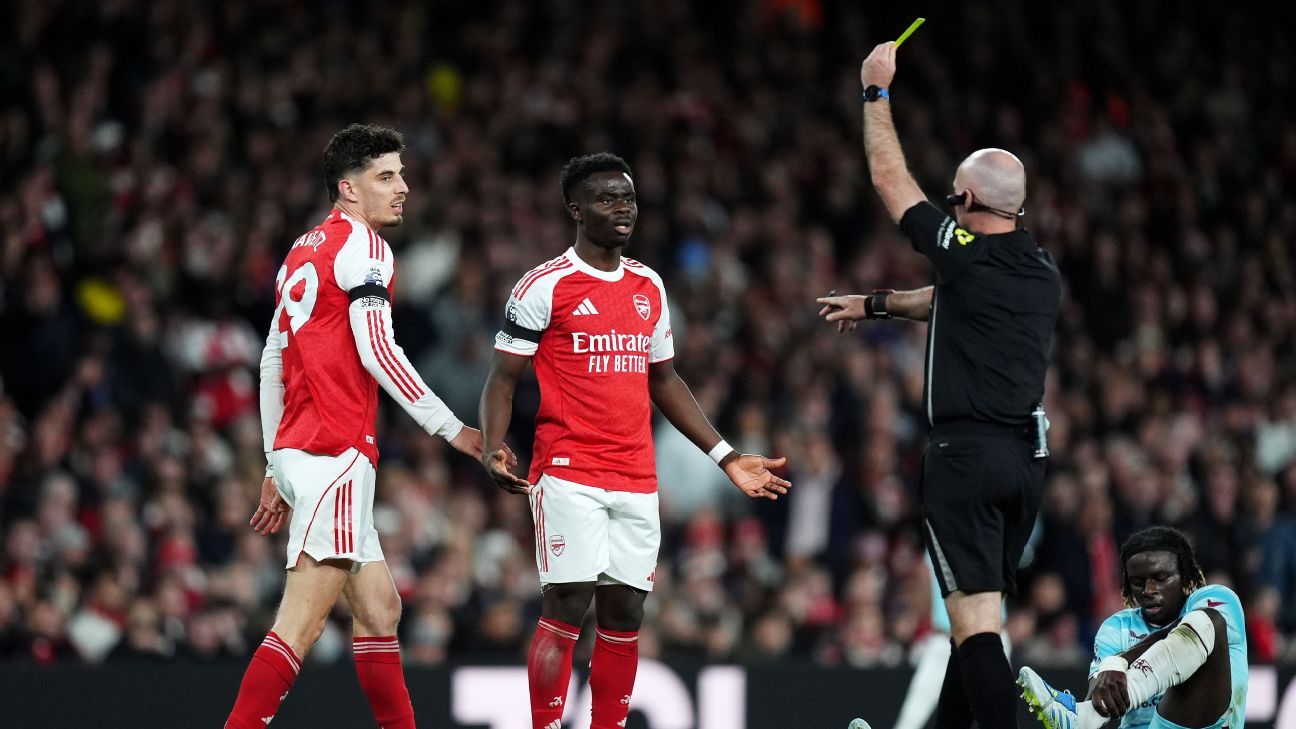
The video assistant referee (VAR) continually stirs debate each week, whether it’s in the Premier League, Champions League, or FA Cup. But how are decisions made, and are they accurate?
This season, we’ll explore key incidents to scrutinize the decision-making process concerning VAR protocols and the Laws of the Game.
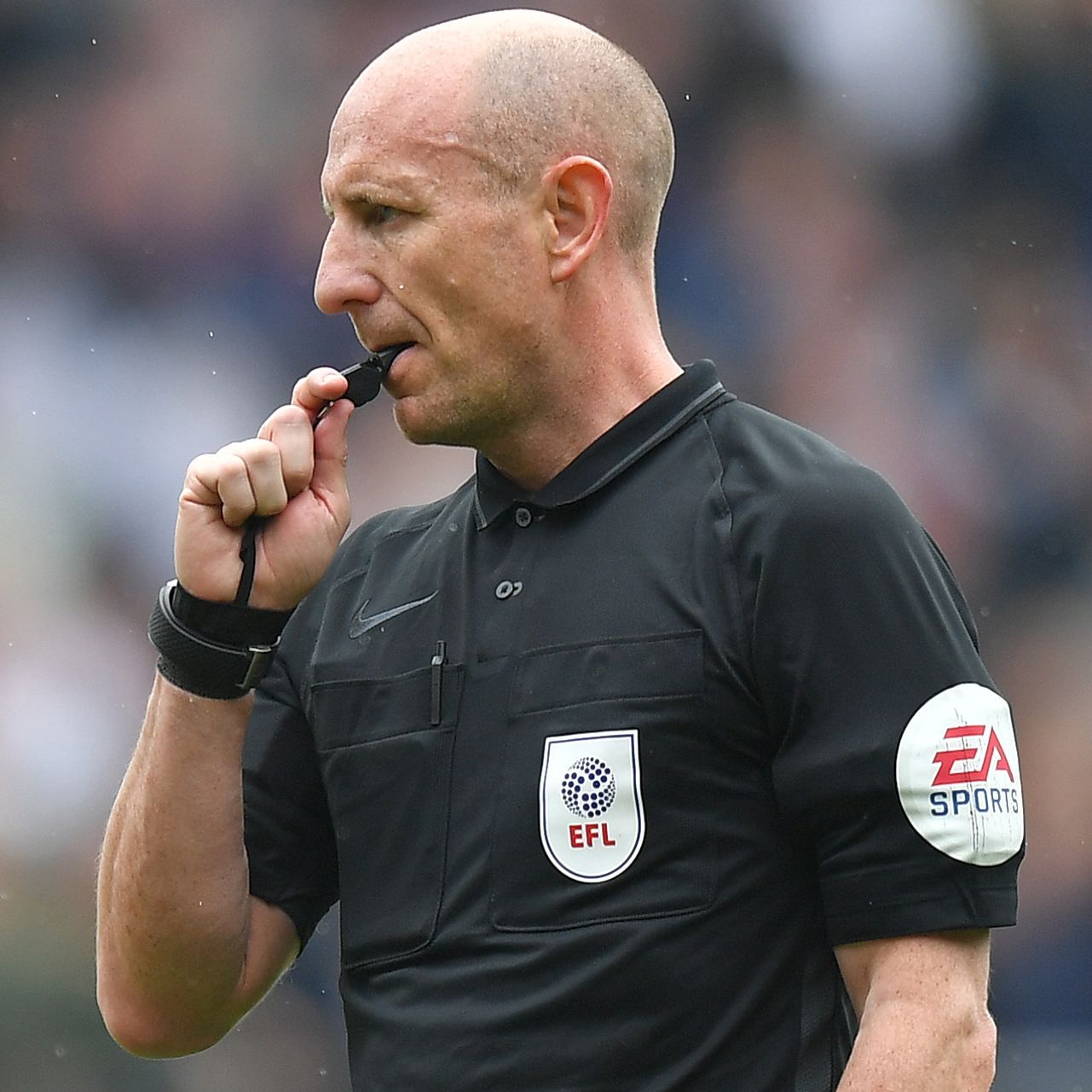 Andy Davies (@andydaviesref), a former Select Group referee with over 12 seasons in the elite ranks, has officiated in both the Premier League and Championship. With his extensive top-level experience, he has worked in the VAR setup in the Premier League, providing a unique perspective on the procedures, reasoning, and protocols at play on matchdays.
Referee: Paul Tierney
VAR: James Bell
Time: 67 minutes
Incident: Potential red card for Arsenal’s Kai Havertz following a challenge on Lesley Ugochukwu.
What transpired: Havertz made a lunging challenge on Ugochukwu as the Burnley midfielder was advancing. He failed to make contact with the ball and struck Ugochukwu on the back of the calf with his studs.
Referee Paul Tierney judged the tackle to be reckless and issued only a yellow card to Havertz at the time.
VAR’s decision: The VAR checked the referee’s yellow card decision and ultimately confirmed it, determining the challenge did not constitute serious foul play.
VAR review: VAR James Bell had to evaluate whether Havertz’s challenge met the criteria for serious foul play to warrant a recommendation for an on-field review to upgrade the card from yellow to red. The initiation of a “VAR review” indicated Bell had reservations about the severity of the challenge.
Upon reviewing the footage, Bell concurred with the on-field referee, concluding that, although the contact was high on Ugochukwu’s calf, it did not exhibit the excessive force necessary to be classified as endangering the opponent’s safety. As a result, the yellow card for Havertz remained intact.
Conclusion: Arsenal and Havertz were fortunate that VAR did not advise upgrading the yellow card to a red. By lunging into Ugochukwu’s calf with force, Havertz’s actions should have been judged as endangering an opponent’s safety, constituting serious foul play.
In essence, Havertz should have received a red card.
In such scenarios, VAR typically relies on the initial judgment made by the on-field referee. Since Tierney only issued a yellow, citing the contact as insufficiently excessive, VAR faced challenges in overturning his decision based on the replays observed. However, both parties exhibited poor judgment here.
Referee Tierney should have recognized the challenge as a red card offense in real time, given its dynamics and nature. Similarly, VAR, after examining several replays, should have advocated for a different outcome.
If Arsenal had played the remaining 20 minutes with one fewer player, the final score could have changed, potentially impacting the Premier League title race. Instead, Arsenal secured a narrow 1-0 victory, leaving Burnley—along with possibly Manchester City—feeling aggrieved.