




Chelsea is recovering from a challenging season marked by three coaching changes and a disappointing 10th-place finish. This marks the second time in four seasons that they have ended up 10th or lower, whereas, in the 25 years preceding BlueCo’s ownership, such finishes occurred just once.
The club also faces unprecedented financial losses exceeding $350 million and the reality of missing out on European competition, likely necessitating cuts to their squad. However, with new manager Xabi Alonso on board, there is optimism for a revival in the 2026-27 season.
ESPN’s Mark Ogden and Gab Marcotti take on the roles of Chelsea executives to tackle some of the crucial questions confronting the club.
This article is part of this year’s Keep or Dump series, which explores major concerns for the Premier League and top European clubs during the summer transfer window. Prior teams include Liverpool, Manchester United, and Arsenal.
– Why Chelsea turned to Xabi Alonso now and his missteps at Real Madrid
– Alonso’s inaugural Chelsea challenge? Competing against a team that hasn’t lost in five years
– How the Kroenkes transformed Arsenal from a ‘banter era’ to lifting the Premier League trophy
1. To what extent should Chelsea adjust their squad-building strategy to support Xabi Alonso?
First, let’s define their current model.
Since January 2023, Chelsea has focused on acquiring young talent, investing significant transfer fees while leveraging a long-contract strategy to keep salaries manageable. The intention is to cultivate these players and maximize their future sale value while allowing those who don’t succeed in the system to be offloaded easily due to lower base salaries.
However, Chelsea’s mediocre performance has led to two primary critiques: a lack of experienced leadership on the field and how the model’s focus on development can hinder coaching effectiveness.
Mark believes that the structure should prioritize managerial authority equal to that of the model and the five sporting directors. The hiring of Liam Rosenior in January flattened the managerial role, and that must not recur.
Gab, however, feels that the inherent authority Alonso brings from his Real Madrid background will naturally elevate the managerial role compared to his predecessors.
Completely abandoning the current model presents risks. Gab notes that acquiring high-salary established players would create salary imbalances, and many of the recent signings still retain considerable financial value, leading to significant losses if they are moved on. A more prudent approach would be to continue nurturing talent for the next couple of years while aiming for improved results under Alonso’s guidance.
2. Could missing out on Europe actually be beneficial?
Chelsea has already faced a €31 million penalty from UEFA and must adhere to strict financial targets over the next three seasons to avoid additional fines or sanctions. Since they missed European qualification, they won’t face immediate evaluations until they return.
Now that Champions League qualification is out of the picture, Chelsea has an opportunity to sidestep the financial strain associated with player sales or severe penalties while recalibrating their squad. They can streamline their roster methodically, which will also afford Alonso more focused training time with the players.
3. Is Chelsea’s diverse executive structure beneficial?
While Chelsea boasts several influential figures—co-sporting directors Paul Winstanley and Laurence Stewart, sporting director for scouting and talent Joe Shields, director of football development Dave Fallows, and global recruiting director Sam Jewell—Gab questions whether this multitude is productive without clear hierarchies and accountability.
The danger in a collective decision-making style is that creativity can be stifled by compromise, often leading to the safest choice prevailing, hindering innovation, and potentially fostering insular practices.
Mark, on the other hand, argues that with their individual reputations in the game, the current setup has potential, but the convoluted titling only adds to Chelsea’s self-created challenges. Streamlining roles and allowing individuals to focus on their responsibilities might alleviate some of these issues.
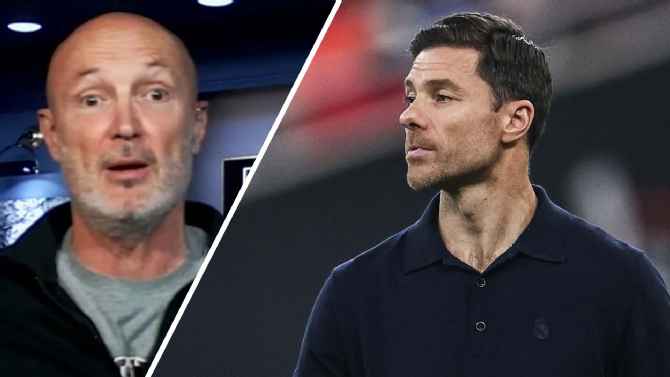
0:53
Leboeuf: Chelsea need to ‘wake up’ ahead of Xabi Alonso’s arrival
5. Should Chelsea lock in Marc Cucurella and Trevoh Chalobah or move them on?
Mark sees Cucurella as a pivotal player and believes he deserves an extension. Gab acknowledges Cucurella’s value but recommends waiting six months to assess his fit under Alonso, particularly since a new deal could extend into his thirties.
Chalobah has significantly outperformed his defensive peers this season, but Chelsea is facing a center-back surplus with players like Wesley Fofana, Tosin Adarabioyo, Mamadou Sarr, Jorrel Hato, Benoît Badiashile, Joey Acheampong, Axel Disasi, and Levi Colwell. Interest from potential buyers could provide an opportunity to transfer Chalobah, which would offer a financial advantage given his homegrown status.
6. What does the future hold for Nicolas Jackson at Chelsea?
Mark advocates for recalling Jackson from his loan at Bayern Munich, where he maintained an impressive scoring rate. He could play a key role at Chelsea behind João Pedro.
Gab supports keeping Jackson but suggests gauging interest before making a final decision. His relatively low residual amortization means the Blues could profit significantly if they chose to sell him, unless Alonso sees him as a crucial element moving forward.
7. Is Robert Sánchez adequate as Chelsea’s goalkeeper for top-level competition?
Mark asserts that while Sánchez could be a decent backup, he’s not among the top keepers in the Premier League. Missing out on Mike Maignan last summer was a critical oversight that contributed to Chelsea’s struggles.
With a choice between investing in an elite keeper or nurturing internal options like Sánchez or younger players, Gab believes that securing a top-tier goalkeeper should take precedence over managing multiple potential first-team options.
8. Are Enzo Fernández, Cole Palmer, and Moisés Caicedo expendable?
Estêvão will not be sacrificed due to his age and untapped potential. As for Caicedo, while there’s interest, his significance makes him too essential to sell, regardless of any attractive offers.
Palmer could be a sellable asset, but given his turbulent season and ongoing contract, it’s wiser to retain him to help restore his performance levels.
Fernández, rated highly by Mark, appears ready for speculation, and with limited recovery on his initial transfer price, it may be time to explore options if the club’s strategy aligns with his talents.
Conclusion
Xabi Alonso has a clean slate ahead of him. If his vision aligns with the club’s strategy, particularly on crucial points that hindered previous management, he’s likely to succeed. The financial realities are pressing, influencing whether Chelsea can or should let go of stars like Fernández. In the absence of European competition, the club is expected to prioritize development rather than attracting marquee signings.
The encouraging factor is Alonso’s proven track record in player development. Despite the current lack of confidence, it’s important to recall that Chelsea was once on track for the Champions League until managerial mismanagement disrupted their progress. There’s no reason they can’t find their way back to contention in the 2026-27 season.