



The International Football Association Board (IFAB) has implemented significant changes to soccer regulations ahead of the upcoming World Cup in the United States, Mexico, and Canada. These modifications will also be visible in leagues across the globe next season.
Here’s a summary of the changes coming this summer.
 Andy Davies (@andydaviesref), a former Select Group referee with over 12 years of experience officiating in the Premier League and Championship, brings a wealth of expertise. His involvement in the VAR process at the elite level grants him unique insights into the protocols and rationale behind officiating during a Premier League matchday.
Notable VAR Modifications
The Video Assistant Referee (VAR) will now have the capability to review several additional scenarios, including:
- An incorrectly awarded corner kick, as long as it doesn’t delay the restart.
- Attacking fouls that occur before play begins. Previously, VAR could not intervene until the ball was in play, but now it may suggest disciplinary measures when a restart results in a goal, penalty, corner, or free kick.
- A red card issued after a second yellow card that is evidently erroneous.
- Situations involving mistaken identity, where a player is penalized for a foul committed by another player.
Verdict: These additions to the VAR review protocol make sense and address situations currently outside the realm of review. — Davies
New Mouth-Covering Rule
Players who cover their mouths with a hand, arm, or shirt during confrontations will face a red card.
This rule aims to prevent the concealment of potential racist comments, in light of recent incidents involving Benfica’s Gianluca Prestianni and Real Madrid’s Vinicius Junior in the UEFA Champions League. Importantly, if the interaction is friendly, players may cover their mouths; however, any sign of confrontation could lead to severe penalties.
Verdict: This is a crucial step to protect players during confrontational moments and sends a powerful message against intolerance. — Davies
Streamlined Substitution Process
Substituted players now have 10 seconds to exit the field at the nearest exit point. Failure to do so will require the incoming player to wait one minute until the next stoppage in play, leaving their team to play with ten players in the meantime.
Verdict: This is a beneficial change that emphasizes the need for efficient play and penalizes teams that try to delay the game. — Davies
Five-Second Restart Rule
If the referee determines that a player is deliberately delaying a throw-in or goal kick, a five-second countdown will commence. If the ball is not in play by the end of this countdown, possession will be reversed: a throw-in will be granted to the opposing team if it was a throw-in, or a corner if it was a goal kick.
Verdict: This addition is excellent and should help accelerate game pace. Goalkeepers will likely avoid the risk of conceding a corner by delaying goal kicks. — Davies
Injury Protocol for Players
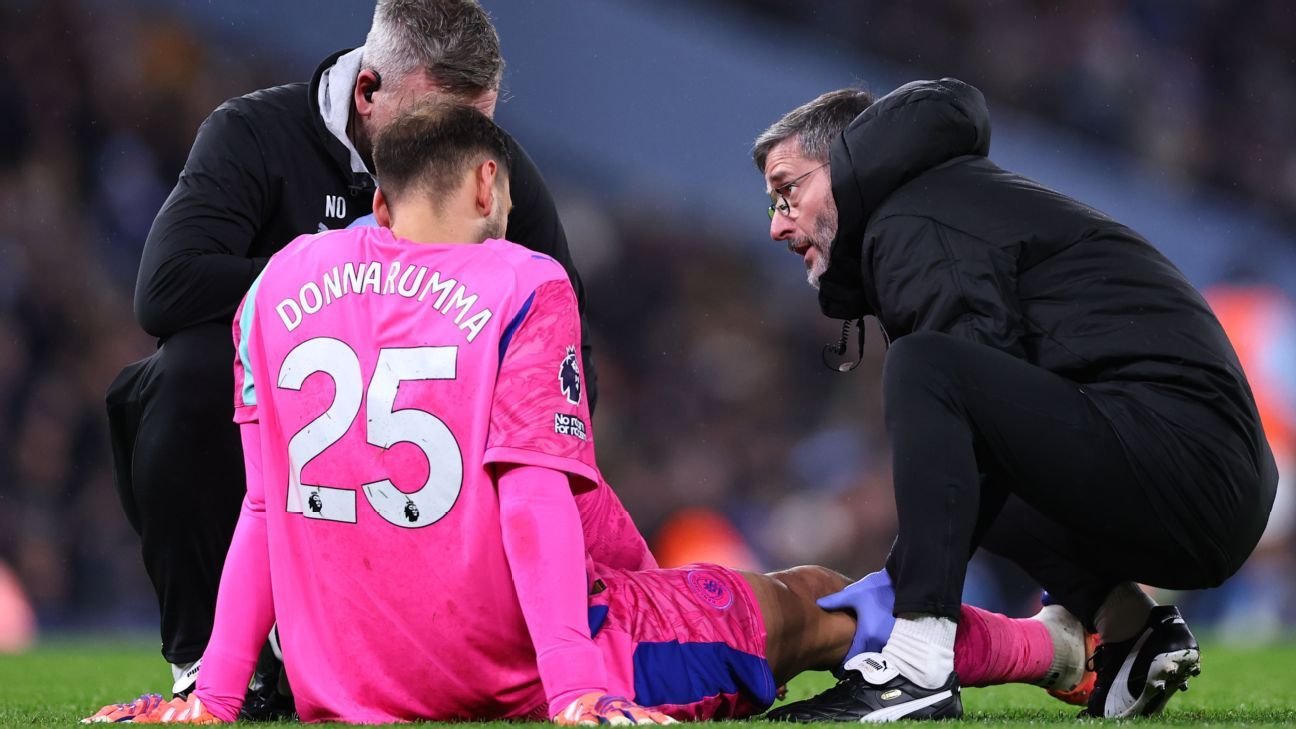
An outfield player receiving treatment from medical staff must leave the pitch for one minute, with exceptions made for goalies, severe injuries, or collisions.
Verdict: I disagree with this rule; a minute is excessively long for a player to be off the pitch while their team is down to ten men. The Premier League’s 30-second rule proved effective and reduced the number of players treated on the field significantly. It’s likely fans won’t appreciate this change, as it seems unnecessary. — Davies
Restrictions on Tactical Timeouts for Goalkeeper Injuries
Players will no longer be permitted to approach the technical area for guidance when a goalkeeper is injured. They must remain onsite.
However, no penalties will be imposed on those who violate this rule.
Verdict: This change is a positive beginning to tackling this issue. Nonetheless, it is not a formal law, and match officials will need to manage compliance. A three-minute hydration break will occur midway through both halves, allowing managers time to communicate with their teams. — Davies
Punishment for Leaving the Pitch in Protest
Players who exit the pitch in protest over a decision will receive a red card, as will team staff instructing players to leave. Teams that cause a match to be abandoned will forfeit the game, referencing instances like Senegal vs. Morocco in the AFCON final.
Verdict: This is a necessary measure to maintain the integrity of the game, especially to avoid situations that damage its reputation. — Davies
Hydration Breaks in Each Half
Each half will include a three-minute hydration break, approximately around the 22nd minute, to address concerns about high temperatures in the hosting nations.
Verdict: This is a sensible addition for the World Cup, prioritizing the safety of players and officials. — Davies
Extended Halftime Break for World Cup Final?
FIFA has revealed that the upcoming MetLife Stadium final on July 19 will feature a Super Bowl-style concert. This has raised concerns about the halftime break being extended to nearly 30 minutes. However, Hugh Evans, CEO of Global Citizen, which is collaborating with FIFA on this event, assured that performances will be “significantly shorter than the 15-minute mark” to respect the game.