



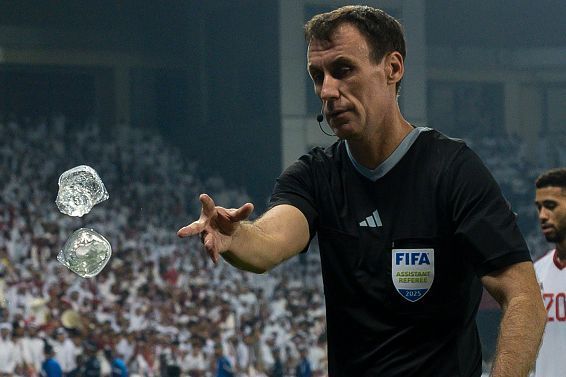
FIFA has implemented a new policy prohibiting fans from bringing refillable plastic bottles into World Cup stadiums. The organization claims this change is aimed at “preventing risk and injury to players and attendees.”
This decision has drawn criticism from the Free Lions, the England fans’ embassy, who are concerned about the well-being of supporters during the sweltering North American summer heat.
Previously, ticket holders were allowed to bring in an empty, transparent, reusable bottle with a capacity of up to one liter. However, a notification on June 2 confirmed that this allowance was revoked, as first reported by The Athletic.
A FIFA spokesperson stated, “FIFA is committed to safeguarding the health and safety of all players, referees, fans, volunteers, and staff. The decision to prohibit bottles is meant to mitigate risks and injuries for everyone involved.”
“Certain venues have already prohibited outside bottles for safety reasons, and FIFA is extending this policy across all tournament stadiums,” the spokesperson continued. “We collaborate closely with local authorities and host city committees to implement heat mitigation strategies for fans attending matches. These strategies may include misting stations, fans, hydration stations, and cooling tents around the stadium.”
As for water bottle prices during the FIFA World Cup 2026, they will be consistent with the pricing at other events held at the stadiums. The Athletic reported that bottled water prices ranged from $4 to $6 (about £3 to £4.50) at last summer’s Club World Cup in the United States.
The Free Lions responded to the new regulation on X, questioning, “What’s next? Will sunscreen be banned too, forcing fans to purchase it at the stadium?” They highlighted the inconsistency of introducing “drinks breaks” for players while making such a late policy change. The group expressed their disappointment, noting they had been assured that fans would have both free water availability and the ability to bring their own bottles.
“The prevailing thought among supporters is that this is merely another way to generate revenue. Considering the expected heat in many open-air stadiums, fans should be allowed to bring their bottles,” they added. “We hope the water fountains at the stadium will still be free—let’s hope there are no charges in the queue!”
Last month, researchers from World Weather Attribution (WWA) voiced their concerns regarding extreme heat’s effects on the safety of players and fans, particularly the heightened vulnerability of supporters. WWA anticipates that nine of the 104 matches will be played under conditions exceeding 26 degrees We Bulb Globe Temperature (WBGT), an index that assesses how efficiently the body can cool itself. FIFA Players’ Union FIFPRO recommends implementing safety measures when temperatures rise above this mark and suggests postponing matches if WBGT exceeds 28 degrees.
Dr. Theodore Keeping from Imperial College London, a co-author of the WWA study, commented on FIFA’s policy shift, stating: “Ensuring equitable access to hydration is a fundamental first defense against the extreme heat challenges posed by climate change at this World Cup.”
To address player welfare, FIFA has also initiated three-minute hydration breaks during each half of the matches.