



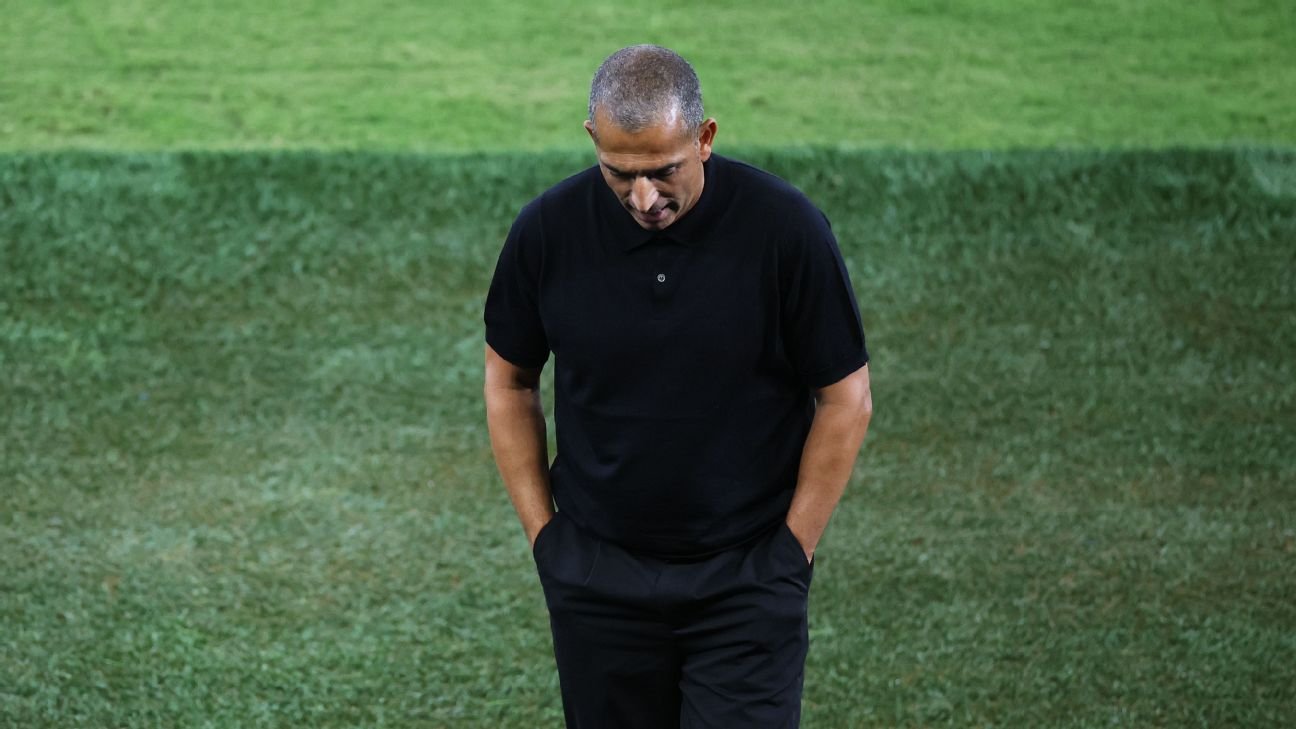
The surprises keep coming at the 2026 World Cup, as Day 5 of the tournament witnessed the first managerial departure after just one match. Tunisia’s coach, Sabri Lamouchi, was let go following a disheartening 5-1 loss to Sweden in their Group F opener. Herve Renard has been appointed as his replacement.
Lamouchi’s tenure, which began in January, lasted only five matches, with three of those resulting in defeat.
While this development is surprising, managerial changes during World Cups aren’t unprecedented; it happened three times in the 1998 tournament alone!
Lamouchi now finds himself in a rather exclusive (and unwelcome) group of coaches.
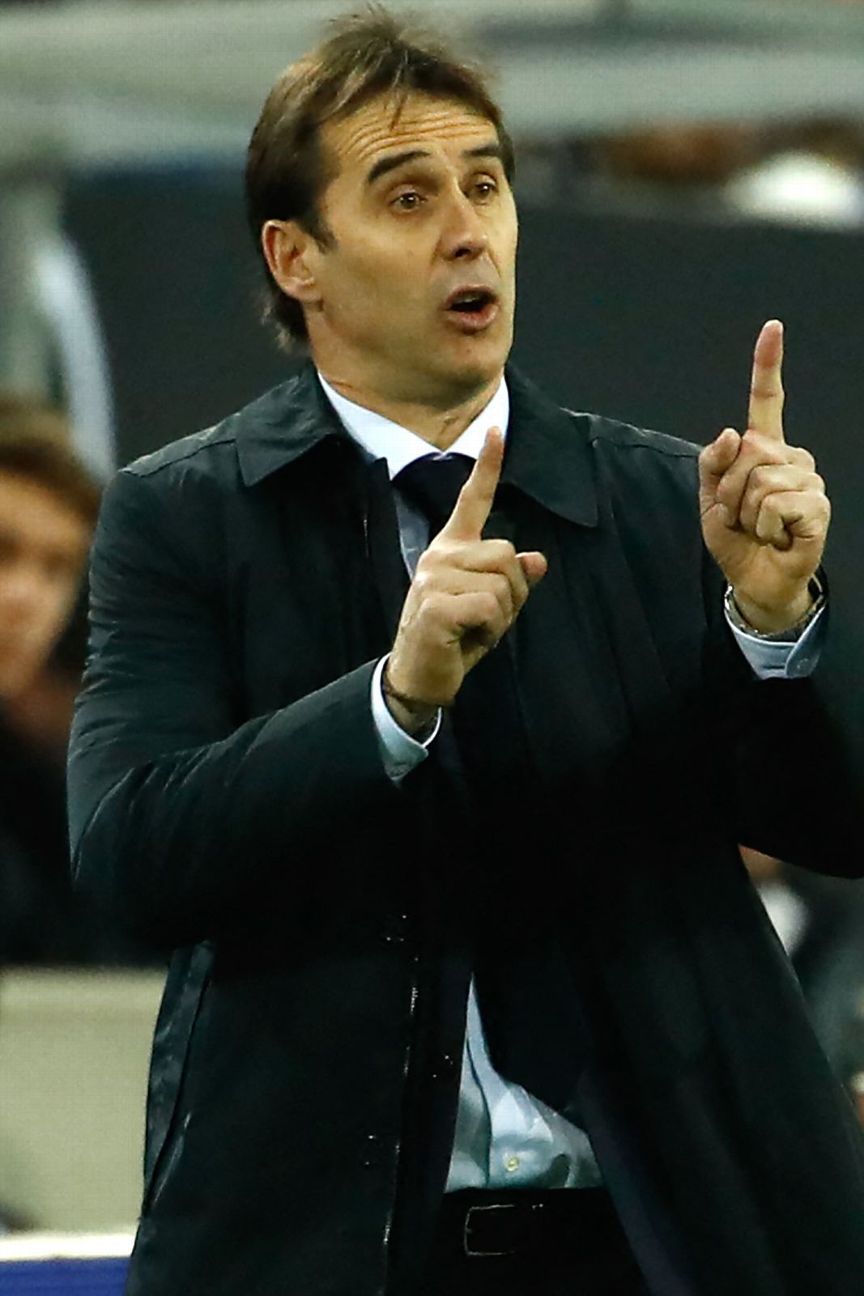 Julen Lopetegui (Spain), 2018
Spain’s 2018 World Cup preparations were thrown into chaos just 48 hours before their opening match against Portugal when coach Julen Lopetegui was unexpectedly dismissed by the Spanish Football Federation (RFEF).
The federation was displeased to learn that Lopetegui was in discussions to become Real Madrid‘s new manager without informing them, leading to his contract termination and Fernando Hierro stepping into the role on short notice.
Under Hierro, Spain topped their group, but ultimately faced an exit in the round of 16 against the host nation, Russia, losing in a penalty shootout.
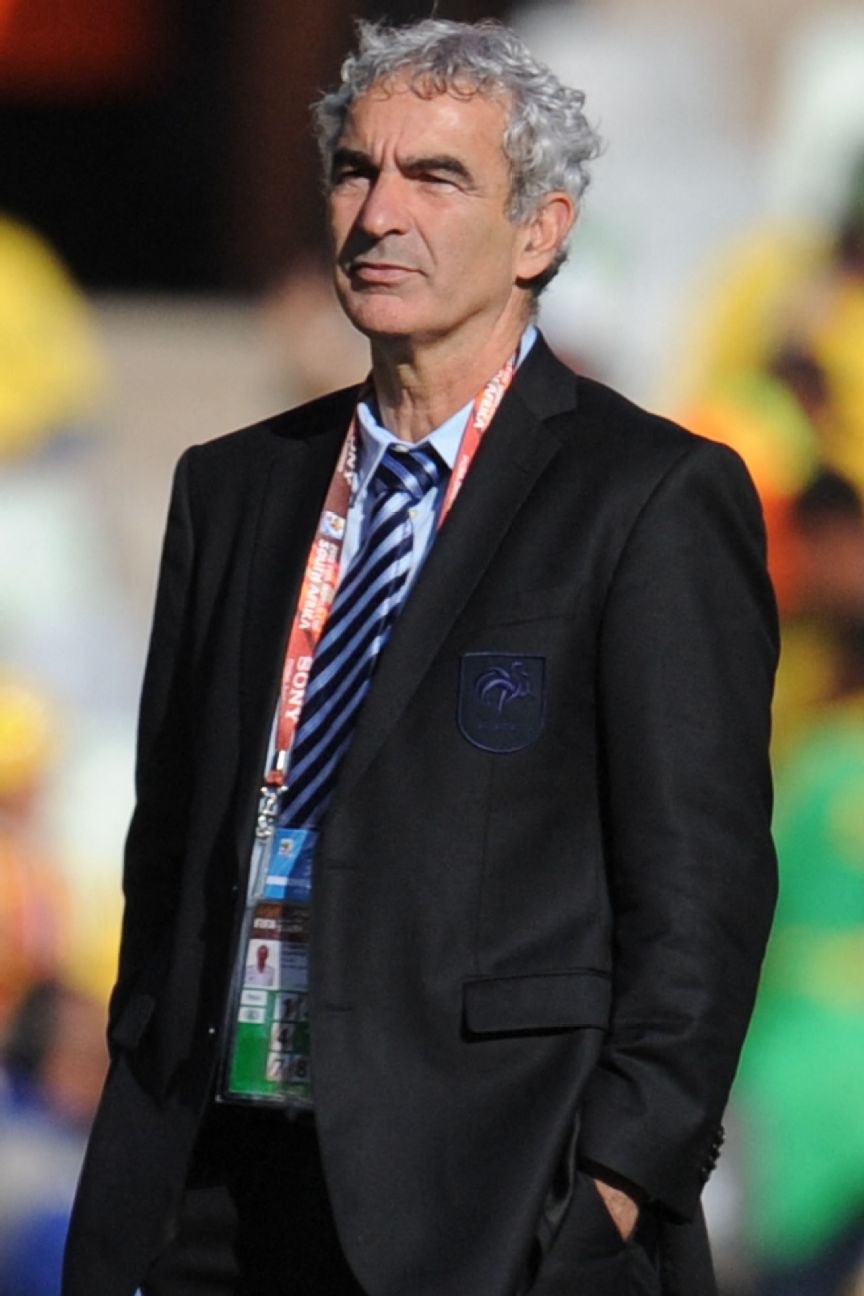 Raymond Domenech (France), 2010
Raymond Domenech’s time with France during the 2010 World Cup was marred by infighting and protests. After a heated exchange with striker Nicolas Anelka in the locker room during a 2-0 defeat to Mexico, Anelka was expelled, leading to an open mutiny from the rest of the squad against their struggling coach.
Domenech remained through the final group match, where France lost 2-1 to South Africa, exiting the tournament in complete disarray.
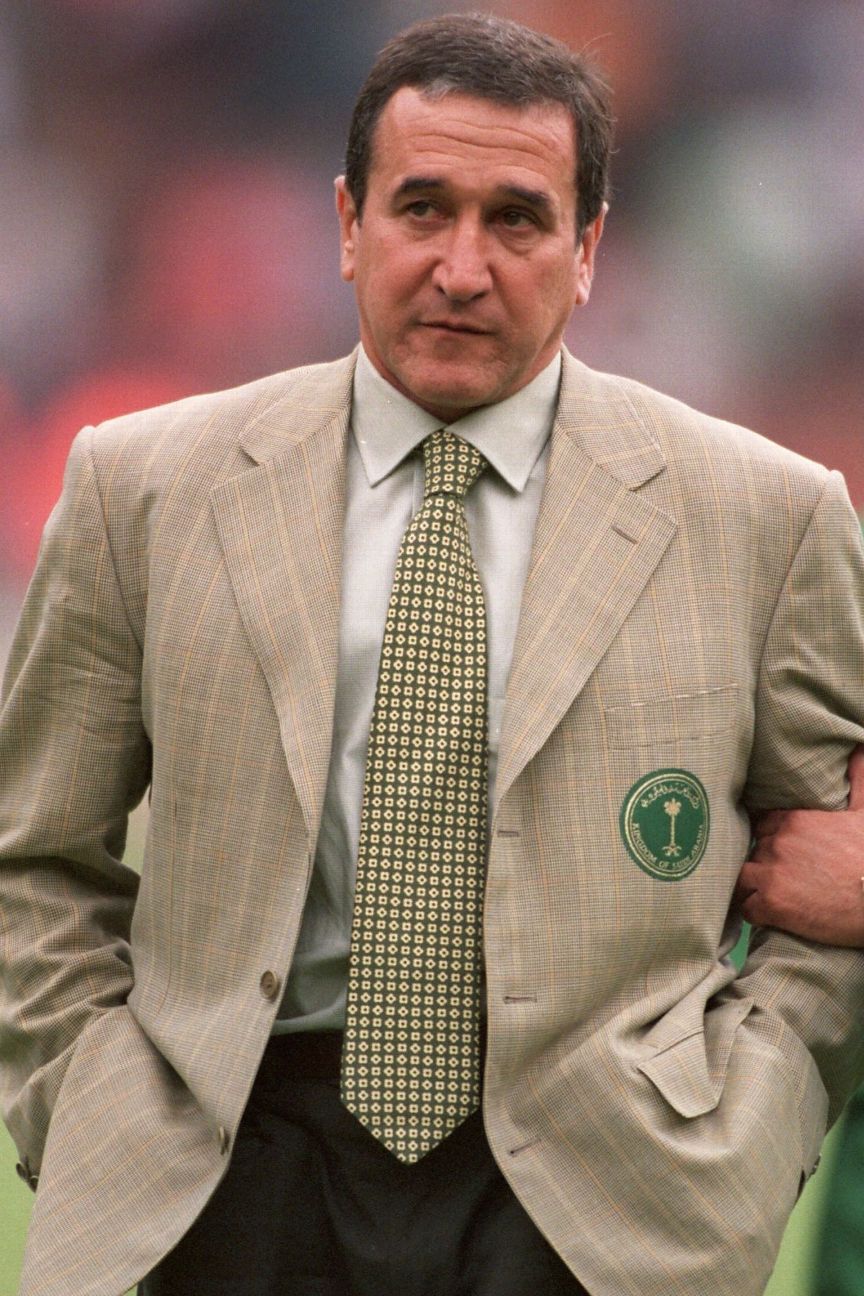 Carlos Alberto Parreira (Saudi Arabia), 1998
Saudi Arabia became the first country mathematically eliminated from the 1998 World Cup, which ultimately cost their coach his position.
Parreira had previously led Brazil to victory in the 1994 World Cup, but his luck ran out with Saudi Arabia, who suffered a 1-0 loss to Denmark and a crushing 4-0 defeat to France, getting knocked out after just two matches.
They salvaged a draw in their final group game (2-2 against South Africa), but it was a case of too late.
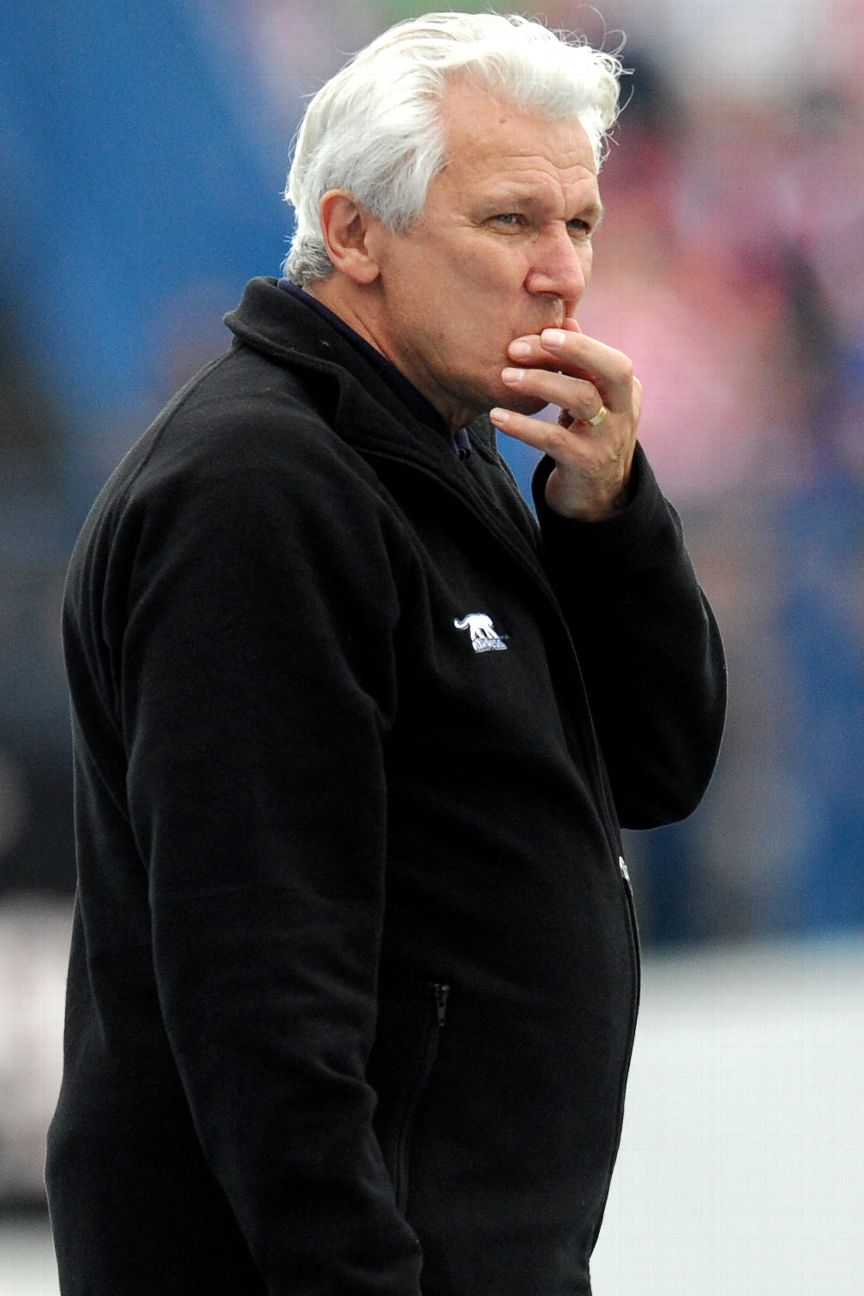 Henryk Kasperczak (Tunisia), 1998
Kasperczak was a favored figure in Tunisian football coming into the tournament, having led the team to second place at the 1996 Africa Cup of Nations.
However, Tunisia’s World Cup campaign quickly spiraled downwards, culminating in two opening defeats against England and Colombia, leading to Kasperczak’s dismissal before they managed to earn a draw in their final match against Romania.
At least they left the tournament with a point.
Bum-Kun, a legendary figure in South Korean soccer, couldn’t prevent heavy losses in both of his team’s opening matches at the 1998 tournament.
A 5-0 defeat to Netherlands compelled the Korean FA to take action, resulting in Bum-Kun’s firing and the promotion of assistant Kim Pyung-seok, who managed to secure a draw against Belgium in Korea’s final match, even though the team had already been eliminated.
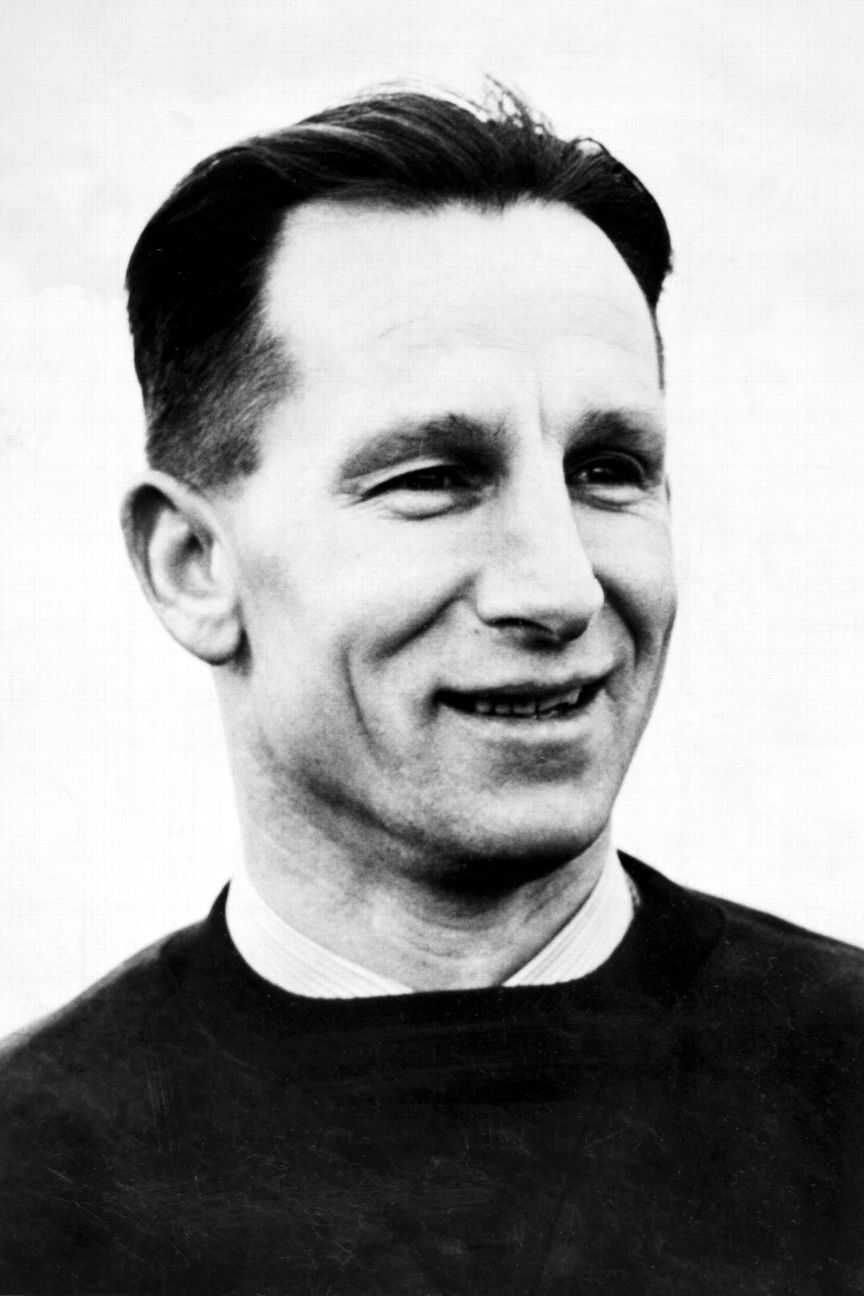 Andy Beattie (Scotland), 1954
Beattie holds the unique distinction of being the only manager to have ever resigned during a World Cup, having coached Scotland for just one game in the 1954 finals in Switzerland.
As Scotland’s first-ever full-time manager, Beattie had a rocky start, clashing with the FA over squad selection limits. A 1-0 loss to Austria in his opening match led to his resignation just days into Scotland’s first World Cup campaign. The FA selection committee took over, leading to a dismal 7-0 defeat against Uruguay, knocking the Scots out of the tournament.
Honorable Mention
Jean-Louis Gasset (Ivory Coast), 2023
It’s important to mention Jean-Louis Gasset’s story, who was the head coach for host nation Ivory Coast during the 2023 Africa Cup of Nations. Despite winning their opening match against Guinea-Bissau, the team faced back-to-back losses against Nigeria and Equatorial Guinea, barely advancing to the knockout stage as one of the best third-place teams.
Under immense pressure, Gasset resigned, and his assistant, Emerse Fae, took over as caretaker. What followed was a remarkable turnaround, culminating in the Ivory Coast winning the AFCON title, defeating Nigeria to clinch an unexpected trophy.