



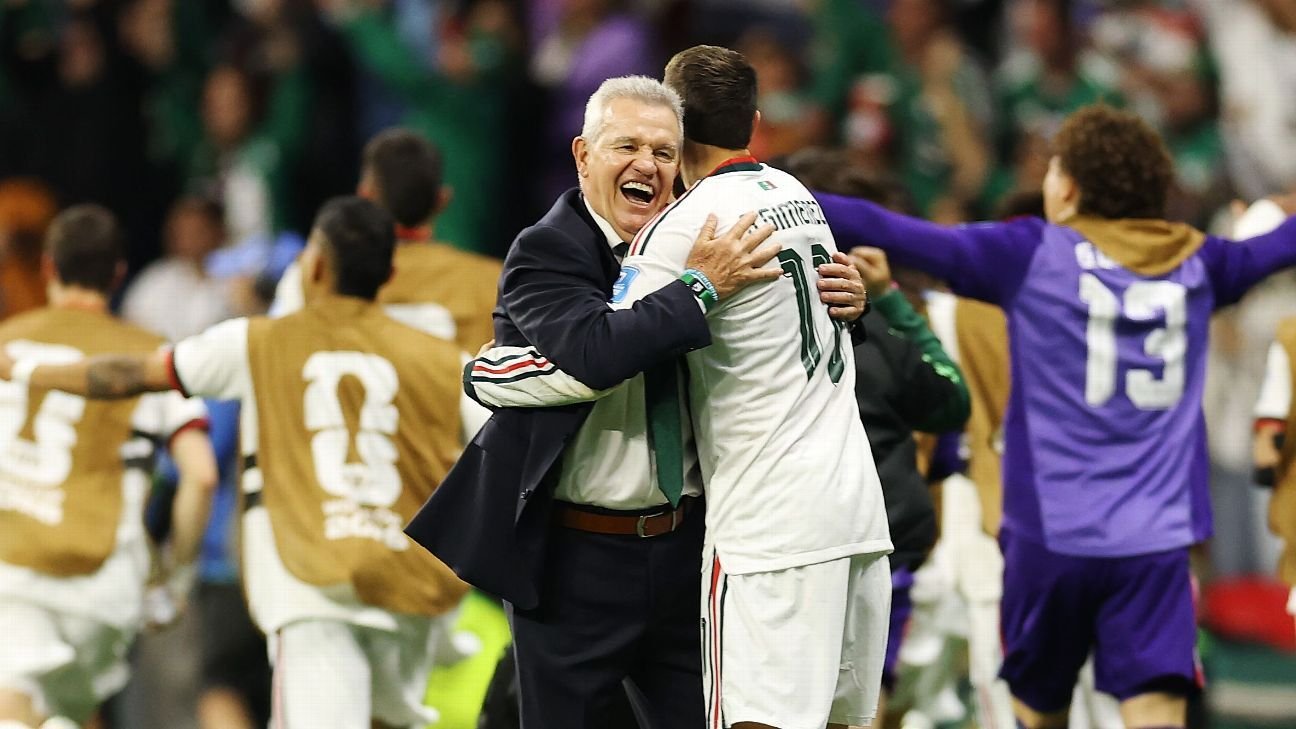
MEXICO CITY — Just 45 minutes can change everything.
Prior to the Estadio Azteca’s vibrant eruption following Mexico’s 3-0 triumph over Czechia, fans experienced a tumultuous array of emotions. The crowd groaned as legendary goalkeeper Guillermo Ochoa made a late appearance, bringing a glimmer of hope just before the home team secured back-to-back wins, which could serve as crucial momentum heading into the knockout phase. However, the night began with discontent.
Audible boos and sharp whistles directed at the home team echoed around the stadium as they entered halftime without a goal. This reaction wasn’t unprecedented; during a previous match against South Korea on June 18 in Guadalajara, similar jeers filled the air during another goalless first half.
Yet, Mexico rallied to victory in both encounters. In Guadalajara, Luis Romo scored the decisive goal for a 1-0 win, and against Czechia, an electrifying late surge from players like Mateo Chávez, Julián Quiñones, and Álvaro Fidalgo reignited El Tri’s attack in an unexpected yet dynamic manner.
– As it happened: South Africa stuns Korea, Mexico dominates Czechia
– Tan: South Korea’s risky Son Heung-Min decision backfires
– Lynch: Socceroos vs. Paraguay: Australia geared up for World Cup ‘battle’
So, why the hostile reactions? If Mexico is achieving positive results, what prompts fans to express their frustration before the conclusion of the match?
“The fans are very demanding, and players need to maintain focus; they cannot lose concentration,” head coach Javier Aguirre said after Wednesday’s game. “They must keep their composure and emotional balance.”
This sentiment reflects Aguirre’s cautious style of play, which typically emphasizes a solid defense over aggressive goal-chasing, especially evident in the earlier games and the first half against Czechia.
His approach prioritizes defensive stability, favoring clean sheets over high-scoring tactics. While he avoids a park-the-bus mentality, his strategy revolves around offside traps and ensuring defensive cover, which can lead to predictable gameplay.
This combination often results in a more subdued style of soccer that may not sit well with the fans.
The supporters hail from a culture that values high-energy, attacking soccer, so merely securing a win without flair leaves many dissatisfied.
However, this pragmatic approach is part of Aguirre’s identity.
As he stated, “Ultimately, what matters is winning, regardless of how it is achieved.”
His experience includes success at smaller clubs in Spain, where his defensive philosophy helped stave off relegation, emphasizing protection over relentless attacking.
Thus, it is no surprise that fans have reacted as they have to his current style.
“Players shouldn’t take pride in the cheers or get discouraged by boos,” Aguirre emphasized, highlighting the need for mental resilience in relation to the tactical demands at hand.
Moving forward to the knockout stage on June 30, fans may see a more conservative strategy. While this can be less thrilling against weaker opponents, it may prove beneficial against formidable teams like England that thrive on ball possession. It’s worth noting that Mexico has yet to concede a goal throughout the group stage.
Aguirre, now 67, isn’t entirely rigid in his coaching. He sometimes loosens the reins in the latter stages of matches, allowing greater creativity, which could lead to either a single goal from a slip-up or, as witnessed against Czechia, a flurry of goals in the final minutes.
“You learn from mistakes; I’ve made many in my career, and I’ll certainly make more because learning is a continual process,” Aguirre reflected.
As they gear up for their next challenge, expect a return to his defensive-minded approach, with players operating under stricter guidelines than what is typical in the more fluid atmosphere of the domestic Liga MX.
Regardless of fans’ sentiments, Aguirre’s results speak volumes—leading Mexico to their most successful group stage performance in World Cup history.
Still, he remains focused on the future, not dwelling on past successes. “I won’t reflect on what we’ve done; instead, I will concentrate on what’s ahead,” he stated after the win. “This is an area in which we have improved. We must maintain the mentality that our work is ongoing.”