



Before the tournament, there were understandable doubts about what the matches would feel like. With ticket prices sky-high and fans needing to travel vast distances for each game, many expected flat atmospheres and swathes of empty seats.
That hasn’t happened.
Fifa, despite facing criticism over pricing, reports that 99.7% of seats have been taken—more than 4.4 million attendees for the group stage and 6.2 million after the first two knockout rounds.
That works out to an average crowd just over 65,000 per match, second only to the 1994 World Cup in the United States, which drew just under 69,000 per game.
And it’s not only the fans turning up—the headline players are delivering too.
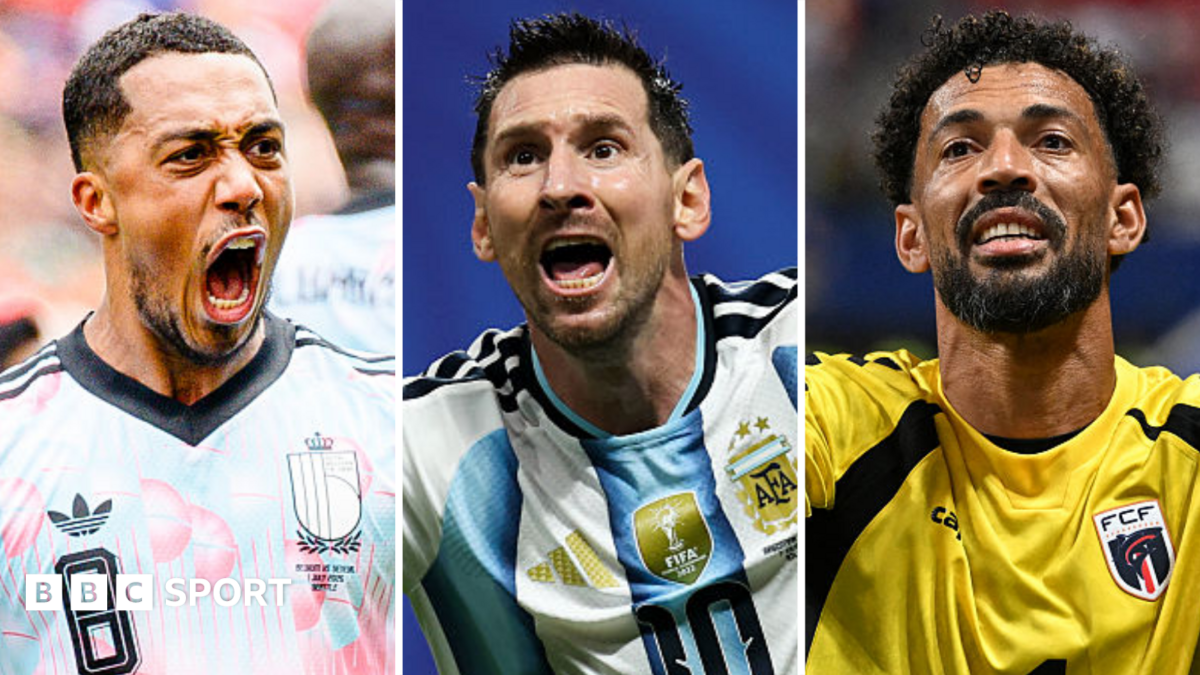
We have a Golden Boot race for the ages, with four of the world’s elite in the hunt: Argentina’s Lionel Messi on eight goals; France’s Kylian Mbappé and Norway’s Erling Haaland on seven each; and England’s Harry Kane on six.
It’s the first World Cup where three players have scored seven or more in the same tournament.
With 48 teams involved, fears of lopsided scorelines were common, but the minnows have supplied some of the tournament’s best tales.
Curacao, the smallest nation ever to qualify, rebounded from a 7-1 defeat by Germany to draw with Ecuador, while Qatar’s run included a 6-0 loss to Canada but also a 1-1 draw with quarter-finalists Switzerland.
Meanwhile, Cape Verde—backstopped by 40-year-old Vozinha—crafted one of the great underdog stories, drawing with Spain, Uruguay, and Saudi Arabia to reach the last 32, where they scared holders Argentina before falling 3-2 in extra time.