



-

Graham Hunter
Multiple Authors
LOS ANGELES — Javi Martínez shared an amusing anecdote about waking up in the middle of the night before Spain’s victorious 2010 FIFA World Cup final, feeling quite hungry.
“There were some snacks in the players’ corridor,” he reminisced. As he ventured out to quell his late-night cravings, he stumbled upon a group of senior teammates, including Iker Casillas, Gerard Piqué, and David Villa, engaged in a lively card game, laughing and sipping hot chocolate long past the hour when World Cup contenders should be asleep.
Martínez thought to himself, “Look at how relaxed these guys are! We’re definitely winning the final tonight!”
– World Cup semifinals: Key insights, predictions, odds
– What it’s like facing Yamal and Mbappé? Our explorations with their opponents
– Golden Boot tracker: The race for World Cup’s top scorer
During my time with the Spain squad for the 2026 World Cup campaign, I experienced a parallel moment similar to Martínez’s story as La Roja made their way from Dallas to L.A. after their hard-fought 1-0 win over Cristiano Ronaldo and Portugal in the round of 16.
The match had tested the team significantly, culminating in an injury-time goal from Mikel Merino. Despite the high stakes, Spain enjoyed some relief thanks to a climate-controlled stadium, making their challenge less taxing compared to other nations.
The next morning, Luis de la Fuente’s players were energetic during an 11 a.m. session at the Cotton Bowl, just a short drive from their downtown Dallas hotel. However, as they prepared to fly to LAX, several players were already reclining in their seats, training shoes off, resting their heads on pillows, ready for an afternoon nap.
One striking observation from the Spain locker room on July 11, 2010, after their World Cup win, was the surprisingly composed atmosphere. Following their celebration on the Soccer City pitch, many new champions had a brief sing-along before settling into a calm rather than chaotic celebration. This was starkly different from the emotional outburst that took place the next day during their trophy parade in Madrid.
This composed demeanor was surprising given the immense effort it took to defeat the Netherlands 1-0 after 120 intense minutes. Instead of bursting with joy, they seemed to take a moment to reflect and absorb their victory.
The flight to L.A. evoked a similar response this time. While the final was still ahead, the win over Portugal was significant, and I expected the mood to be full of elation and energy. Instead, the players took the quiet opportunity to recharge and prepare for the arduous tasks ahead.
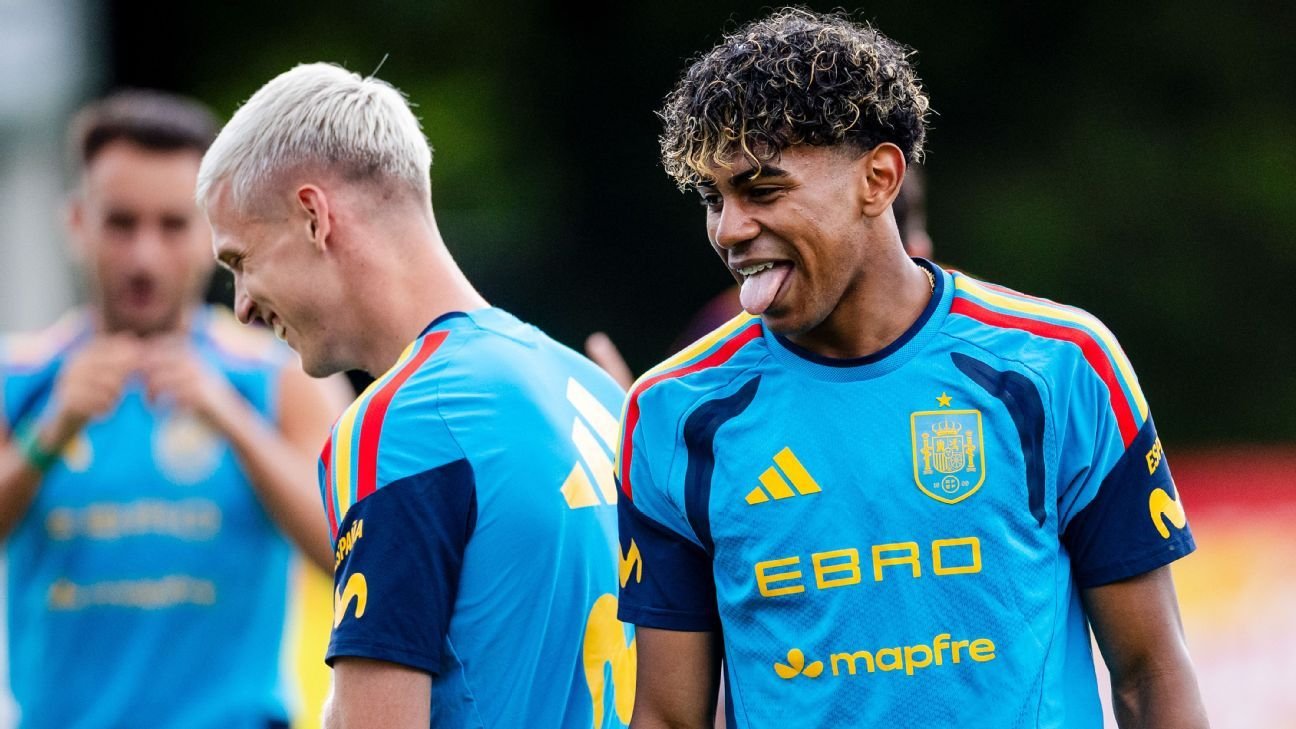
This changed, however, once the California Highway Patrol escorted Spain’s convoy from LAX to Manhattan Beach. Upon arriving at their hotel, which featured a nine-hole golf course right behind it, the players’ energy erupted as they rushed to the course, reminiscent of schoolkids arriving for a field trip.
Groups of players eagerly engaged in friendly competitions, hitting golf balls into the twilight. This vibrant interaction showcased the team’s close-knit relationships, their competitive spirit, and a joy in simply being together.
Players’ families frequently visit the camp, and the genuine camaraderie within the team is undeniable. This spirit of unity stands a good chance of propelling Spain towards victory against France and potentially against either England or Argentina in the World Cup final.
This assessment does not lessen the immense skill displayed by the European champions’ 26-man squad. I firmly believe Spain is currently the best national team in the world, without question.
Nevertheless, there are some challenges: Lamine Yamal, who just turned 19, hadn’t played a full 90-minute match for 76 days prior to the win against Portugal. Nico Williams has faced a series of tough injuries, and after a harsh challenge in Spain’s final Group H game, he expressed concerns about his fitness for the tournament on social media.
Players like Fabián Ruiz and Mikel Merino have battled back from serious injuries, and Marcos Llorente highlighted that it’s “impossible” for most players to be at peak performance in the summer after a relentless club season.
Like many strong nations in the tournament, Spain isn’t at their peak and lacks the dynamic brilliance of their UEFA European Championship victory two years ago. However, they’re resilient, united, and have remained unbeaten in competitive matches since losing to Scotland in March 2023, in de la Fuente’s second match as coach.
1:13
Could Spain pose a significant challenge for France?
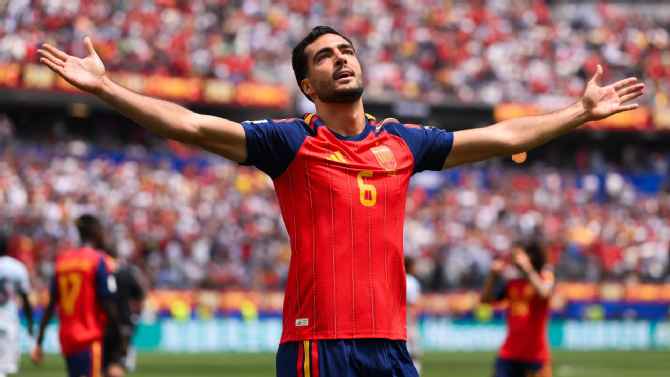
Merino has definitely fueled fans’ enthusiasm once again with his dramatic goals against Portugal and Belgium, epitomizing the type of magical moments that define major tournaments.
His efforts highlight how Spain reached this point and why they remain strong contenders for the World Cup title.
To provide context, Spain’s first training session at the Chattanooga Baylor Academy included an open practice for fans. The session was rigorous, and Coach de la Fuente didn’t take it easy on the players. Afterward, Merino dedicated himself to intense solo training, pushing through fitness and finishing drills to regain his sharpness after an injury sidelined him for a significant portion of Arsenal’s title-winning season.
SPAIN TAKES THE LATE LEAD IN CHAOTIC FASHION 🤯
Mikel Merino is the super sub once again for La Roja! pic.twitter.com/oXE2gDVa14
— FOX Sports (@FOXSports) July 10, 2026
“When I’m on the bench, I stay mentally prepared, and when an opportunity arises, I’m convinced I’ll score,” Merino later shared. “There’s a sense of huge relief, especially after being out for five challenging months. It’s tough for all of us who sit on the sidelines because we’re competitive, and we’ve reached this elite level because of our attitude and confidence. However, this group is not for anyone who wants to sulk.”
“We know that although we may not be starting, we can influence the outcome of matches, and that’s evident. Balancing confidence with humility is crucial. Just because we believe in ourselves doesn’t mean we think we’re better than our teammates. Our success is interconnected; when one of us wins, we all benefit. We support one another, whether it’s in training, during downtime, when traveling, or even at breakfast. There’s camaraderie, joy, and very strong team spirit.”
This unity is palpable and audible. The players engage in fiercely competitive table tennis, gaming tournaments, croquet, golf, and playfully participate in traditions, like the collejas: playful taps on the head from their teammates honoring special occasions like birthdays or returns to training.
Merino, Rodri, Williams, Yamal, and even de la Fuente have navigated challenges this summer, contributing to the collective strength of the team, which has become greater than the sum of its parts.
In the last two summers, the matches between Spain and France in the semifinals of Euro 2024 and the UEFA Nations League produced 12 goals and two wins for La Roja. Tuesday’s World Cup semifinal on Bastille Day will spotlight France’s four stars (Ousmane Dembélé, Désiré Doué, Kylian Mbappé, and Michael Olise) as leading contenders from Coach Didier Deschamps’ team.
However, I have my doubts.
Spain possesses its own formidable “all for one” mentality that could propel them toward New Jersey and their second World Cup final.