



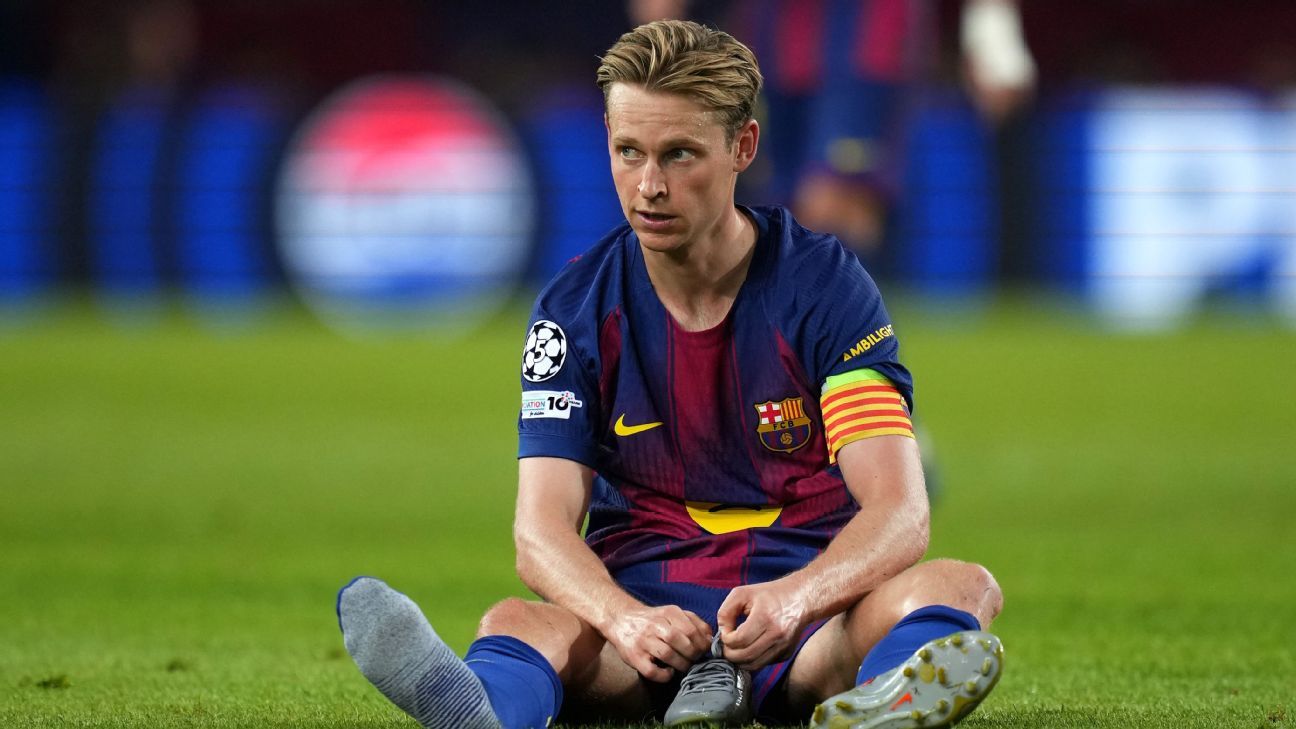
Rodri’s recovery journey has been lengthy and challenging. More than 13 months have passed since he sustained a knee ligament injury, making his fitness a frequent topic during manager Pep Guardiola’s weekly press conferences. Recently sidelined for the last four games, Guardiola has not been able to provide a specific timeline for the Spain international’s return.
“Rodri is still not available. He is improving,” Guardiola stated. “He’s training with us. We’ll see. Hopefully soon, but not yet.”
This latest development marks another hurdle in Rodri’s sporadic comeback. Following his anterior cruciate ligament tear during a 2-2 match against Arsenal in September 2024 and subsequent surgery, he resumed training on the field by February. In April, Rodri returned to full squad training and made his comeback with a brief seven-minute appearance in a 2-0 victory over Bournemouth at the end of May. He then earned his spot in Guardiola’s starting lineup for a group stage match against Juventus in the FIFA Club World Cup in June, making his first Premier League start against Brighton at the end of August.
However, setbacks have plagued his progress. After appearing in the second half against Al Hilal during the Club World Cup, Rodri needed to be substituted in extra time due to knee discomfort. He also had to leave the match against Napoli in September and was substituted in the first half against Brentford the following month due to a hamstring issue.
– The next generation of entertainers: 15 young stars lighting up Europe
– No, Saudi Arabia is not building a World Cup stadium on top of a skyscraper
– Man City have worn NINE different kits in 2025! Ranking them from worst to best
City has missed one of their key players during this tough time, but Guardiola has consistently emphasized the importance of a cautious approach for the 2024 Ballon d’Or winner. Ben Thornley, a former Manchester United player, faced a lengthy rehabilitation period after suffering a knee ligament injury in 1994 just as he was on the verge of joining the first team.
“During rehabilitation, you’re often alone in the gym while you hear the other players arrive for training,” Thornley told ESPN. “You realize that won’t be your reality for a long time. It’s about working hard and staying on track.”
The rehabilitation process can be incredibly difficult, especially when an end date feels uncertain.
“It’s not just about the physical recovery; there’s a mental aspect,” Thornley shared. “Being isolated for months can be demoralizing, with the constant emphasis on the injury and how it occurred.”
Colin Lewin, who treated players at Arsenal for over two decades, explained that recovery from significant injuries can vary widely among players.
“Each injury and rehab process is unique,” Lewin stated. “Fans may not realize that the final phase of rehabilitation involves training with teammates and competing in matches. Rodri has faced multiple flare-ups, which are often considered part of the final rehabilitation phase—this stage can be particularly challenging.”
0:43
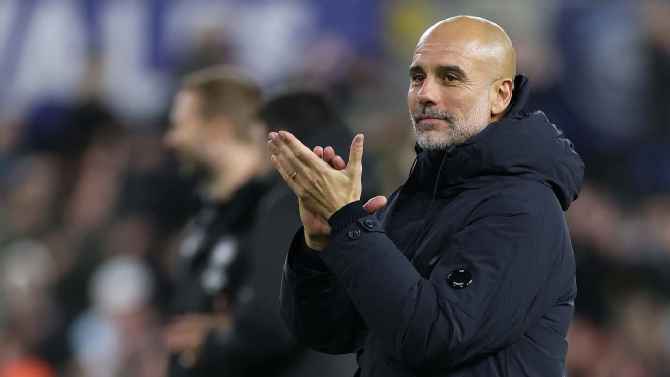
What has Pep Guardiola learnt about his squad?
Gabriele Marcotti and Don Hutchison discuss Manchester City’s 3-1 win over Swansea in the Carabao Cup, where Erling Haaland was given a break.
After extended time away from the field, players often find it challenging to return to their previous form.
“Players frequently discuss getting back into a rhythm,” Lewin noted. “Achieving that takes time—it’s not a quick fix. There’s fitness to regain, strength to rebuild, and then the overall performance to sharpen. This varies from player to player.”
“After suffering an ACL injury, we would typically advise players to expect around nine months before they could return to play, but it could take a year or more to truly feel like themselves again. While this is a broad guideline, it often holds true. You may think once you’re back on the pitch, everything is fine—but that’s seldom the case.”
For City fans, Guardiola, and Rodri, this period has been incredibly frustrating. After transferring to the Etihad from Atletico Madrid, Rodri participated in 172 of 190 Premier League matches from 2019 to 2024. This season, however, he has played just 293 minutes in the league, which is about 36% of the team’s total minutes over the first nine matches.
Following three consecutive starts against Manchester United, Napoli, and Arsenal, Guardiola questioned Rodri’s ability to manage such a demanding schedule. After a draw against Arsenal, Rodri missed matches against Huddersfield Town and Burnley, and subsequently needed substitution after an hour during a 2-2 draw with Monaco.
It’s important to recognize that a player’s mental state also requires support following a significant injury. During a match against Monaco, Rodri sustained a heavy tackle and needed on-field treatment but struggled to regain his composure afterward.
Lewin had similar experiences treating Aaron Ramsey during his recovery from a severe leg injury in 2010 at Arsenal, noting that regaining confidence post-injury is crucial for players.
“After Aaron’s injury, he had some hesitance regarding the first significant challenge,” Lewin recounted. “It was a traumatic injury that definitely took a mental toll. Many clubs now employ psychologists to assist players through these challenges, but sometimes it takes a tangible moment—like a tough tackle—to help a player find their confidence again.”
“The apprehension surrounding the first tackle in matches—often more intense than in training—can be palpable, particularly with spectators watching closely.”
Thornley echoed this sentiment, recalling his own return from injury.
“You always carry a thought that any collision or tackle could potentially set you back,” he explained. “While physical recovery may progress swiftly, the mental challenge often lingers much longer.”
In terms of squad depth, City are better positioned to cope with Rodri’s absence than they were in the previous season. Nico González, who joined from FC Porto in January, is gradually acclimating to the Premier League, and Mateo Kovacic has returned from Achilles surgery. Nevertheless, Rodri’s absence is still felt profoundly, raising concerns about whether the 29-year-old can regain the form that earned him the title of best player in the world in 2024.
According to Lewin, recovery is merely a matter of time. “After about nine to ten months post-injury, players may reach their physical benchmarks,” he explained. “Yet, their decision-making and confidence may still lag. It’s essential to remember that recovery isn’t solely about numbers; players can feel back to their physical best while still working on other aspects of their game.”
“Players don’t become inadequate in nine months, but they often forget this truth, which is why training is vital for regaining automatic responses on the pitch.”
Guardiola suggested that we might not see the best of Rodri until the next season. “Rodri is an extraordinary player,” Guardiola remarked earlier this month. “It’s widely acknowledged. But I told Rodri—though he may find it difficult to accept—that this isn’t just about six or seven months post-injury. ‘Rehabilitation won’t lead to the Rodri of old right away.’ I believe Rodri will be at his best during the World Cup with Spain next summer. We will manage his recovery step by step this season.”
“It’s completely normal; a year on the treatment table changes your body and rhythm. If he remains healthy and puts in the necessary work, he will return.”
The road to Rodri’s full recovery is still ongoing.