



The renowned eyebrow of Brazil coach Carlo Ancelotti is surely furrowing with worry following reports of injuries to some of his star players ahead of this summer’s FIFA World Cup.
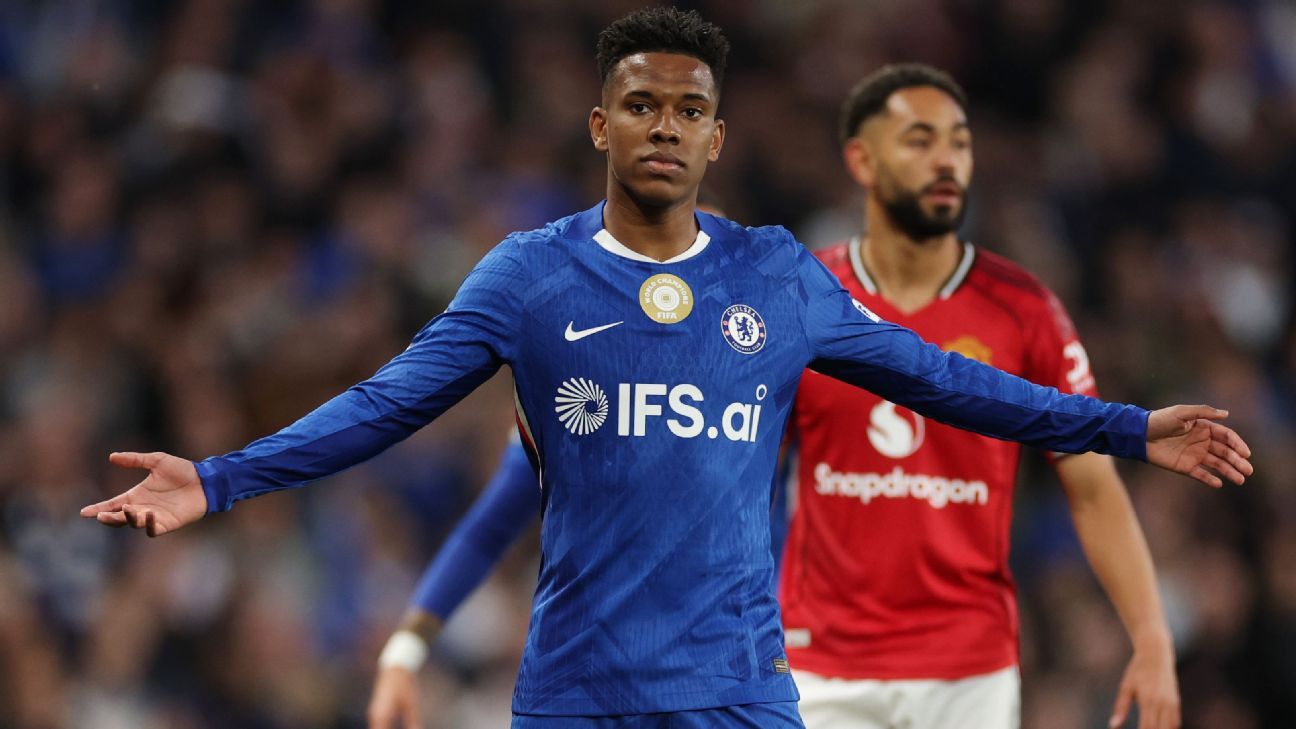
Key defender Éder Militão from Real Madrid is almost certainly set to miss the tournament. Furthermore, Chelsea winger Estêvão is also facing a potential absence due to a troubling hamstring injury sustained during a 1-0 loss to Manchester United on April 18.
Ancelotti has always been a strong supporter of Estêvão, who made his first international start under the coach during Ancelotti’s debut match against Ecuador last June. In a thrilling show of talent, the young winger scored five goals for Brazil between September and November, a feat that Vinícius Júnior took roughly 30 matches and five years to achieve. Estêvão was anticipated to be a key player for Brazil in the World Cup — but what will happen now?
– World Cup injuries: Who’s in and who’s out?
– Essential facts on each of the 48 World Cup teams
– Can Casemiro handle the demands of Brazil’s two-man midfield?
The first step for Ancelotti — a well-known tactic of his — is to avoid panic. Is there still a chance for Estêvão to recover in time? Even if he misses the group stage, could he be fit for the knockout rounds? With a squad of 26 players, Ancelotti has the flexibility to consider taking a risk.
As expected, there will be tension between club and country regarding the best course of action. Chelsea prefers the player to stay in London, while Brazil — and Estêvão himself — are exploring alternative treatments. Although both parties may have agreed that surgery is not necessary, will Chelsea acquiesce to Brazil’s request for him to return home for further treatment?
Similar tensions arose in 2002 when neither Inter Milan nor Barcelona believed that Ronaldo and Rivaldo were fit to play in the World Cup. However, Brazil’s physical preparation team managed to work with the players, resulting in a victorious campaign. They would surely desire a significant role in Estêvão’s treatment, particularly considering his youth.
Back in 1958, a 17-year-old Pelé faced a serious injury before the World Cup in Sweden. Contemplations arose about leaving him off the squad, but ultimately, the decision was made to give him a chance. His age played in his favor, and with round-the-clock care, Pelé was ready for the third match, leading Brazil to their first of five World Cup victories.
There remains hope that Estêvão may join the quest for title number six, but a contingency plan is essential. As a seasoned pragmatist, Ancelotti is well aware of this.
The absence of one player can create space for another. If Estêvão is unable to recover, Bournemouth’s young talent Rayan could secure a spot on the squad. He impressed during his debut off the bench against Croatia last month.
Prioritizing the selection is Zenit St. Petersburg‘s Luiz Henrique, a standout player in Botafogo‘s recent Copa Libertadores and Brazilian league double. While he has excelled as an impactful substitute for Brazil, it might be wise to keep him as a bench option against fatigued defenders.
What strategies does Ancelotti have in mind? There doesn’t appear to be a direct link between Estêvão’s potential absence and the return of Neymar, who played his last match for Brazil right before sustaining a significant injury in October 2023.
Ancelotti has made it clear he does not view Neymar as a winger. The wide players will be tasked with defensive duties, a role that does not suit the 34-year-old Neymar. However, a strategic adjustment to the lineup could still be on the table.
One intriguing aspect of Brazil’s World Cup strategy is the intention to implement an attacking formation with four forwards, which was likely planned to include Estêvão, Raphinha, Matheus Cunha, and Vinícius Júnior. The critical concern remains the balance of the formation. Although the talent on display is remarkable, with a back four and four attackers, only two players would occupy central midfield roles.
Ancelotti is cognizant of this issue, having witnessed Brazil’s lack of balance in the previous coach Dorival Junior’s last match, where they were outperformed by an assertive Argentina team, losing 4-1. In a prior interview with ESPN, Ancelotti had acknowledged this imbalance.
His initial action upon taking the job was to reinstate Casemiro to solidify the midfield. However, the soon-to-be-departing Manchester United player is now 34 years old. Though he and his teammates formed a robust midfield block in a noteworthy victory against a formidable Senegal side last November, that was in London and under different circumstances.
With the World Cup occurring at the season’s end and under potentially extreme heat conditions, it’s crucial to note how Brazil strategized a robust midfield during their 1994 World Cup victory in the U.S. Will they be willing to risk a light midfield setup this time around?
If Estêvão cannot regain his fitness quickly, a viable strategy could involve moving Raphinha back to the right wing, thus creating room for an additional midfielder to join Casemiro and Bruno Guimarães.
Lucas Paquetá could fit this role, although the dynamic Danilo, recently impressive for Botafogo, also greatly impressed during the March friendlies.
Furthermore, there’s a slim opportunity for Neymar to fit this role if he can convincingly demonstrate his readiness to Ancelotti in the limited time available.
In summary, Ancelotti has a lot to consider while preparing for Brazil’s World Cup campaign. As a former combative midfielder, he experienced a career-altering injury during the 1990 World Cup in Italy. Now, years later, he faces the challenges posed by injuries to others. Just like before, he will once again raise an eyebrow and strategize to maximize the talents at his disposal.