



-

Ed Dove
Morocco has openly expressed its ambition to make history at the 2025 Africa Cup of Nations, but the dramatic conclusion to the tournament was far beyond any expectations imagined. Instead of a glorious homecoming, the host nation found itself embroiled in chaos and controversy as two rival teams nearly sparked a diplomatic incident in Rabat.
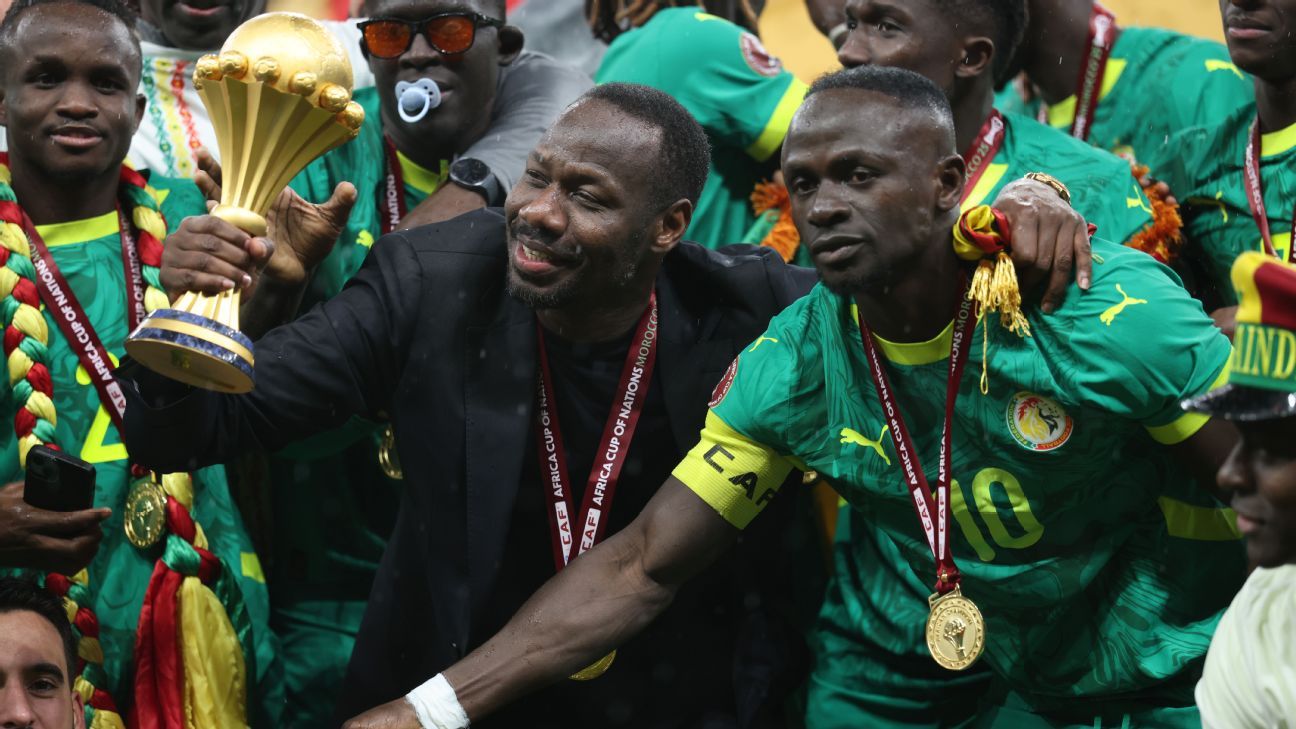
Morocco’s aspirations have consequently crumbled, and the long 50-year wait to reclaim its place at the forefront of African football continues. There was no dream victory on home soil, no celebratory moments for FA President Faouzi Lekjaa, adored by supporters, whose ambitions were dashed on January 18, 2026.
What unfolded was a tumultuous finale that will be analyzing and reminiscing about for years to come, featuring an astonishing 20 minutes of added time that left fans and analysts in a state of bewilderment.
Let’s first address the essential details: Senegal secured their second championship in three tournaments, with Pape Gueye striking the decisive goal in extra time. Morocco, meanwhile, missed a crucial last-minute penalty that could have secured them the title in 90 minutes or at least during the added time.
This match, however, transcended the scoreline; it was defined by two pivotal penalty decisions that nearly led to the abandonment of a major international final—arguably a justified course of action in light of the circumstances.
The drama began when Senegal seemingly claimed victory with a goal during the third minute of the allotted eight minutes of stoppage time, extended due to a facial injury affecting Neil El Aynaoui.
Ismaïla Sarr netted a header after Abdoulaye Seck had his own header rebound off the crossbar. As Senegal erupted in celebration—it was their first goal in an AFCON final after scoring none in 2002, 2019, or 2021—they were quickly brought back to reality as referee Jean-Jacques Ndala had blown his whistle for a foul in the buildup attributed to Seck pushing Achraf Hakimi.
Although Seck seemed to touch Hakimi, Hakimi’s dramatic fall suggested the offense wasn’t as clear as Ndala had assumed. Despite Senegal’s urgings for a VAR review, the referee allowed play to continue.
The game’s momentum shifted quickly as Morocco earned a corner, leading to Brahim Díaz, the tournament’s standout player, going down under a challenge from El Hadji Malick Diouf, reigniting Ndala’s attention.
Diaz, furious at the lack of a foul call, confronted the officials, urging the 66,000 fans at the Prince Moulay Abdellah Stadium to rally behind him. The tension escalated as the impending penalty sparked a cascade of emotions in the stands.
Eventually, after significant pressure, Ndala acquiesced and went to review the incident on the monitor. With both teams drawing closer and the atmosphere thick with agitation, he ultimately awarded Morocco a penalty, igniting a physical standoff as players and coaching staff clashed over the fairness of the VAR consultation.
As tensions flared, the Senegal fanbase—a group notable for their peaceful traditions—demonstrated their frustration, some wishing to confront officials, while others engaged stewards and attempted to breach security barriers.
Some fans were forcibly removed from the venue, while projectiles were thrown at the stewards, injuring at least one. In the chaos, a few climbed onto advertising boards, determined to disrupt the proceedings.
In response, Morocco’s security measures intensified, ultimately restoring order. Meanwhile, players from Senegal, under coach Pape Thiaw’s command, began leaving the field, leaving only Sadio Mané to mediate.
What motivated Thiaw’s decision remains unclear: was it the security concerns or a protest against the refereeing? Match-winner Gueye later expressed the team’s frustration over the officiating.
The match’s outcome hung in limbo: would Senegal concede defeat just as they were on the brink of a major victory? Would Morocco’s five-decade wait be tarnished by undignified circumstances? Amid chaos, Thiaw eventually agreed to call his players back onto the pitch, yet tensions still lingered, culminating in clashes between players.
Mané’s intervention was pivotal, restoring order and showcasing exemplary leadership during one of the most tumultuous patches of the match.
Diaz, who was delayed over ten minutes before taking the penalty he demanded, stepped up to take his shot amid the backdrop of tense security measures. The atmosphere was surreal, leaving him appearing despondent as he prepared to take the crucial kick.
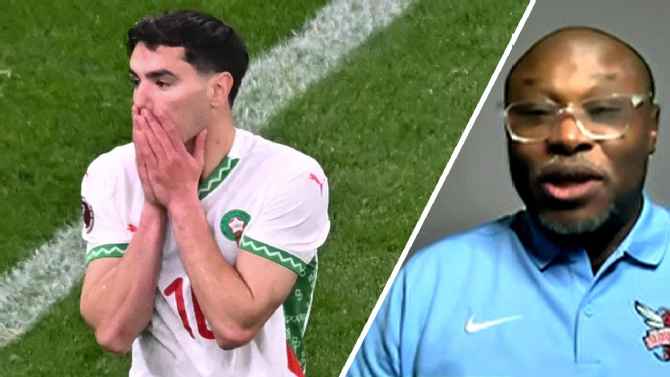
Ultimately, he missed—a Panenka kick that turned into one of the most talked-about failures in tournament history, landing in the arms of a waiting Mendy.
1:29
‘Worst penalty I’ve seen in my life!’ – Udoh on Brahim Diaz’s Panenka
Colin Udoh discusses the chaos in the AFCON final between Morocco and Senegal leading up to Brahim Diaz’s missed penalty.
But this wasn’t merely a missed attempt; it represented a narrative where some pondered whether Diaz had deliberately failed to ensure he wouldn’t be seen as a villain in this moment. However, it’s difficult to believe he had this intention, given his prior fervor and the effort he put into winning the call.
If, by some chance, he did struggle with the decision amidst the mounting pressure, we may never know whether his actions stemmed from a desire for fair play or sheer incompetence. The moment will remain a perplexing but impactful chapter in AFCON history, potentially sparing the tournament from an outcome that could have marred Morocco-Senegal relations.
Thiaw may share the role of villain for some if it is revealed he orchestrated the player exit in protest. Coach Regragui remarked on the actions of Thiaw, highlighting a need for class in victory and defeat, particularly in light of prolonged stoppages and chaotic conduct.
The future implications of such behavior on international matches remain unclear—whether teams may challenge referee decisions in high-stakes scenarios will be a point of debate.
The episode will undoubtedly influence how history perceives both Senegal and Morocco. Will they be remembered as defenders of fairness or as actors of unsportsmanlike conduct? And how will this ultimately impact the integrity of AFCON, a tournament grappling with its own identity crisis amid a night that will resonate for years to come?