



The video assistant referee (VAR) continues to spark debate weekly, whether in the Premier League, the Champions League, or the FA Cup. But how are its decisions made, and are they accurate?
During this FIFA World Cup, we will analyze significant incidents to clarify the VAR protocol and how it aligns with the Laws of the Game. Read more

Andy Davies (@andydaviesref) is a former Select Group referee with over 12 seasons on the elite list, officiating in both the Premier League and Championship. His extensive experience at the top level has involved VAR operations in the Premier League, providing unique insights into the processes, reasoning, and protocols utilized on matchdays.
Referee: Yael Falcón Pérez
VAR: Juan Lara
Time: 84th minute
Incident: VAR review led to a goal being awarded to Sweden after overturning the initial offside decision using “connected ball tracking” technology.
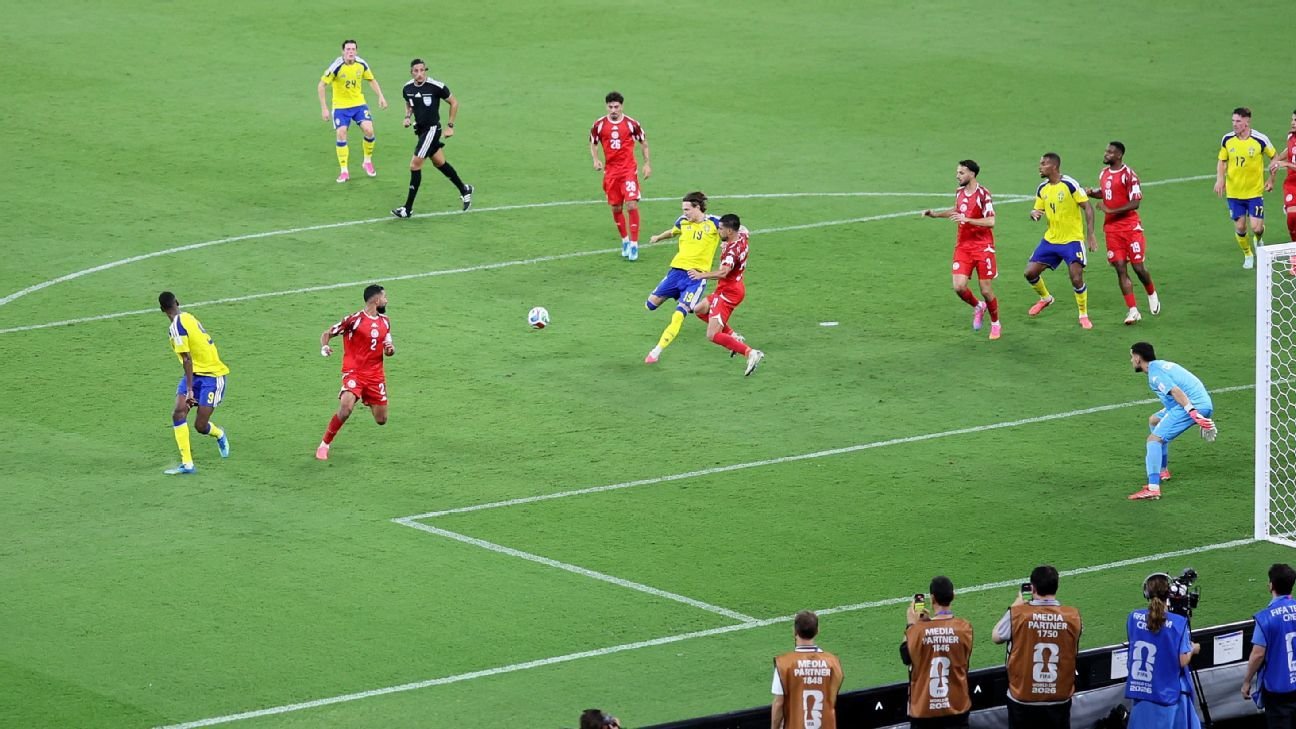
What happened? Sweden’s Mattias Svanberg scored just 12 seconds after coming off the bench, marking the fastest World Cup goal by a substitute, but it was initially ruled offside.
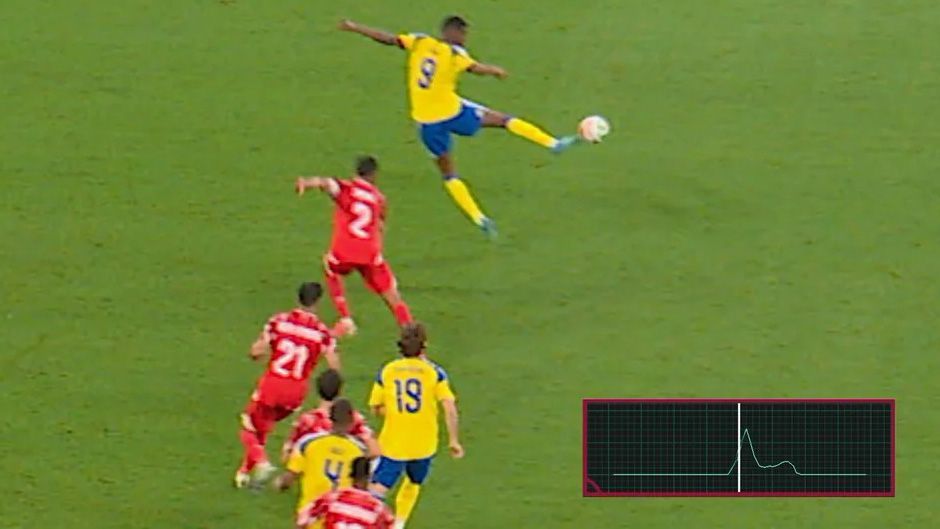
However, VAR overturned the call, determining there was a slight flick of the ball by his teammate Alexander Isak that played Svanberg onside. This determination was made with the aid of Adidas’ connected ball technology, which functions similarly to the “snickometer” used in cricket to detect bat contact.
(Credit: SVT)
VAR review: This review concentrated on whether Isak touched the ball before it reached Svanberg, which would reset the play and allow the goal.
At first glance, it seemed difficult to judge, and the original on-field offside call appeared valid. Nevertheless, VAR utilized Adidas’ ball tracking technology, which detected the slightest touch by Isak that reset the phase of play, resulting in the goal being allowed.
Verdict: This situation is not unprecedented. The ball includes technology that relays real-time data to match officials, tracking every player touch with sensors. The original announcement from Adidas emphasized that this technology “would improve the quality and speed of VAR decision-making by informing offside situations and detecting unclear touches.”
This scenario is reminiscent of an incident during the 2022 World Cup when Cristiano Ronaldo was initially credited with a goal that was later confirmed by FIFA and Adidas to have been scored by Bruno Fernandes upon confirming Ronaldo did not make contact with the ball.
Fans, however, were left in the dark as the technology’s results were not revealed during the broadcast.
This changed at Euro 2024 when broadcasts displayed that Belgium‘s Loïs Openda had handled the ball before Romelu Lukaku’s goal against Slovakia, leading to the goal being disallowed. See details here.
For the 2026 World Cup, the VAR made the correct decision using the available technology to reach an accurate outcome. Despite its generally low profile in the soccer world, this incident exemplified how technology can ensure fairness in the game, preventing a decision that could have unjustly negated a legitimate goal due to human error.