



-

Anthony Olivieri
Multiple Authors
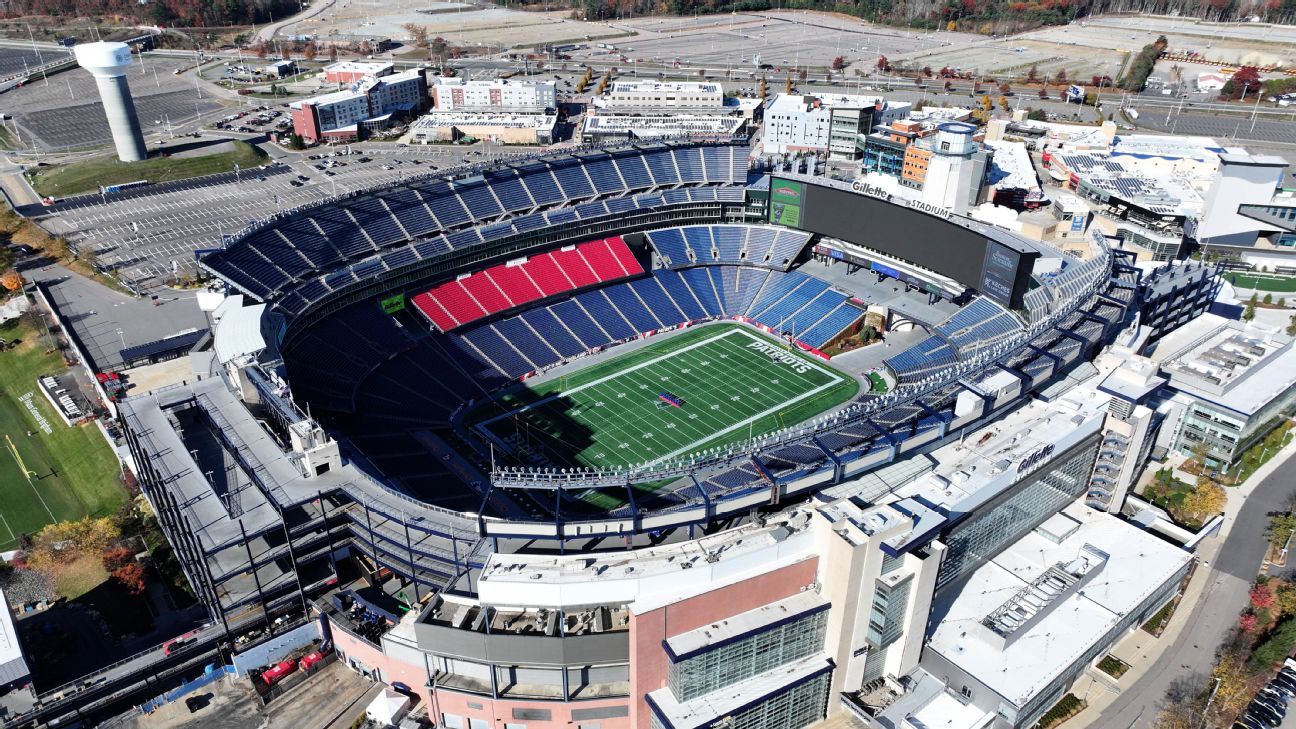
The town of Foxborough, Massachusetts, remains steadfast in its demand for upfront security funding for the World Cup, publicly challenging any claims that previous disputes with tournament organizers have been resolved ahead of a crucial licensing vote on March 17.
Foxborough’s uncompromising position is part of an ongoing dispute between the small New England town and the giant global soccer organization, its host committee, and Robert Kraft’s Kraft Group, which owns the New England Patriots.
In a meeting on March 3, the Foxborough select board, responsible for granting FIFA’s license for the seven World Cup matches at Gillette Stadium, confronted lawyers from the Boston Soccer 2026 host committee regarding the multimillion-dollar security funding.
For the first time, the host committee stated it could cover expenses within two business days of receiving an invoice, with the Kraft Group ready to pay any shortfalls. “If you don’t receive payment, you can revoke the license,” said host committee lawyer Gary Ronan, noting the necessity of securing the event.
However, board members quickly raised concerns regarding the acquisition of security materials and deadlines set by Foxborough’s police and fire chiefs.
On March 6, board chair Bill Yukna reiterated that no agreement had been finalized. “What they’ve presented is essentially an agreement among themselves; such terms fail to meet the town’s requirements for ensuring security at these events,” he stated.
– Foxborough official: No agreement on 2026 World Cup funding
– Why haven’t World Cup host cities received critical funding?
– 2026 FIFA Men’s World Cup stadium list: Facts, historic games
In response to inquiries from ESPN, the board issued another statement on March 6 expressing they were “shocked and dismayed” by claims from the Kraft Group and event organizers suggesting an agreement had been reached. “Any such statement is categorically false,” they asserted.
The town emphasized that miscalculations regarding the costs of hosting the World Cup do not justify compromising on security for the event, stating clearly that it would not finance the Kraft Group’s potential losses at the expense of public safety.
Event organizers seemed baffled by the board’s statements. In a follow-up on March 6, the Kraft Group clarified that it never claimed to have reached an agreement with Foxborough.
They noted that while not the primary license applicant or host committee, they have made sincere efforts to collaborate with the town in preparation for this significant event. “When liquidity issues arose, we provided solutions. When equipment was requested, we offered support,” they stated. “We are disappointed that the town has seemingly come to a unilateral conclusion without a public hearing… We wish to understand what is needed from the town to move forward.”
Foxborough’s town manager, Paige Duncan, did not respond to multiple ESPN requests for clarification regarding the claims made by the Kraft Group to the media.
Board member Stephanie McGowan mentioned that any funding update would require discussions among board members, which are restricted by the state’s open meetings law outside of public gatherings. “If the funding is available, we will issue the license,” she stated, expressing concern over the potential burden on taxpayers.
The significant divide between Foxborough and the event organizers was evident during the March 3 meeting, where town officials insisted on receiving full, up-front funding for the necessary security equipment ahead of the games.
Peter Tamm, an attorney for the host committee, argued that while the board must consider safety, it cannot deny the license solely based on the refusal to commit to advanced payments for expected costs.
However, the town’s attorney disagreed, leading to an early conclusion of the meeting.
On March 5, organizers sent a letter to the town promising to pay public safety expenses within two business days of invoicing and mentioned a $2 million fund already available, expecting an additional $30 million. Kraft Sports & Entertainment stated its readiness to cover any funding gaps.
The Kraft Group asserted its commitment to ensuring the town’s security needs are met financially, explaining that the World Cup events at Gillette Stadium would not generate revenue but rather offer considerable tourism and visibility for Massachusetts.
At the core of the conflict is nearly $8 million that Foxborough seeks upfront to cover police costs, with the town unwilling to expend taxpayer funds without assurance of reimbursement.
Funding uncertainty has been exacerbated by a freeze on federal funds totaling $625 million designated for the 11 U.S. host cities to enhance security and preparedness, which has been held up due to congressional actions related to immigration enforcement.
Boston, located 25 miles from Foxborough, was selected as a host city in June 2022. Foxborough police chief Michael A. Grace noted on March 3 that security preparations have been in progress for a year and a half, with tensions rising over funding since January.
Gillette Stadium is set to host its first match on June 13, featuring Scotland against Haiti.