



-

Bill Connelly
Multiple Authors
After a thrilling group stage and exciting knockout rounds, we find ourselves at the expected climax of the 2026 World Cup.
The four teams that emerged as favorites—France, Spain, England, and Argentina—have all successfully reached the semifinals. France and Spain will clash in Dallas on Tuesday, while England takes on Argentina in Atlanta on Wednesday.
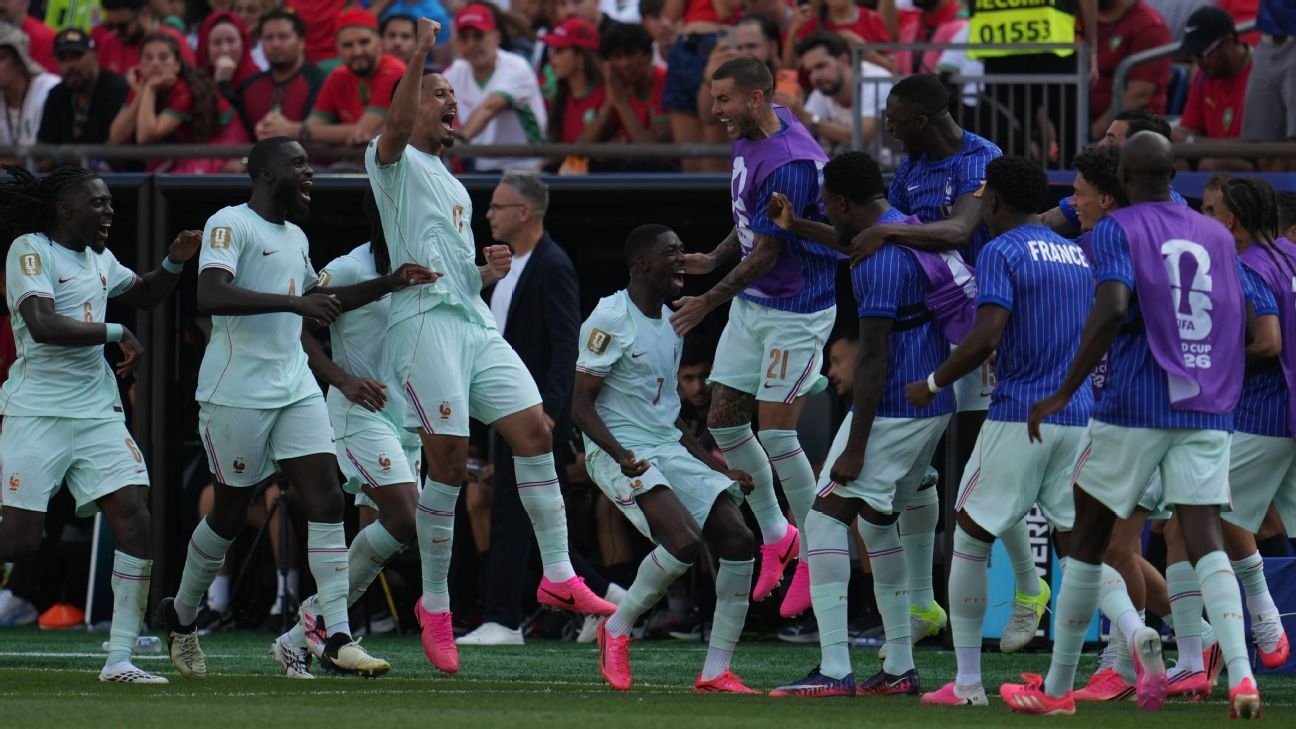
France has largely maintained control throughout the tournament, while the other semifinalists have relied on late-game heroics to advance. Each team boasts a distinctive attacking style.
– Preview: Everything you need to know for the World Cup semifinals
– Frustrated by extra time and penalties? Meet the man trying to change that
– Meet the breakout stars of the World Cup: Diomande, Manzambi, Saibari, and more
As we gear up for the final four matches of this exhilarating tournament, let’s explore how each semifinalist has found the back of the net to reach this point.
 FRANCE: Counterattacks are key
– Goals: CF Kylian Mbappé 8, RW Ousmane Dembélé 5, LW Bradley Barcola 2, LW Désiré Doué 1
– Assists: CAM Michael Olise 5, Mbappe 3, Dembele 2, four players with 1
– xG+xA: Mbappe 6.3, Olise 4.5, Dembele 3.0, Barcola 1.9, DM Adrien Rabiot 1.4, Doue 1.3, CF Jean-Philippe Mateta 1.2, CB Dayot Upamecano 1.0
– Progressive carries (possessions ending in goal): Mbappe 4, Doue 4, Olise 3, Barcola 2, Dembele 2, LB Theo Hernández 2, RB Jules Koundé 2, CB Maxence Lacroix 2, five players with 1
– Progressive passes (possessions ending in goal): Olise 6, Mbappe 4, Rabiot 3, CB William Saliba 3, DM Aurélien Tchouaméni 2, four players with 1
– Duels won (possessions ending in goal): Mbappe 4, Doue 4, Olise 2, Tchouameni 1
No team at the World Cup has scored more goals from counterattacks than France’s three. All occurred while France was leading 1-0: Adrien Rabiot set up Bradley Barcola against Senegal, Kylian Mbappe assisted Ousmane Dembele versus Norway, and Michael Olise assisted Barcola against Sweden. Additionally, their second goal against Morocco—an Mbappe-to-Dembele connection—wasn’t technically a counterattack but was quick and effective nonetheless.
A France goal often involves some transitional element—winning a ground duel, making a progressive carry, or recovering the ball in a pivotal area, leading to immediate danger. Historically, France has favored more vertical attacks than other leading teams, maximizing the talents of Mbappe and utilizing dynamic partners like Dembele and Barcola or Doué.
Yet, one could argue that France’s most pivotal attacker might not even be Mbappe, regardless of his scoring tally.
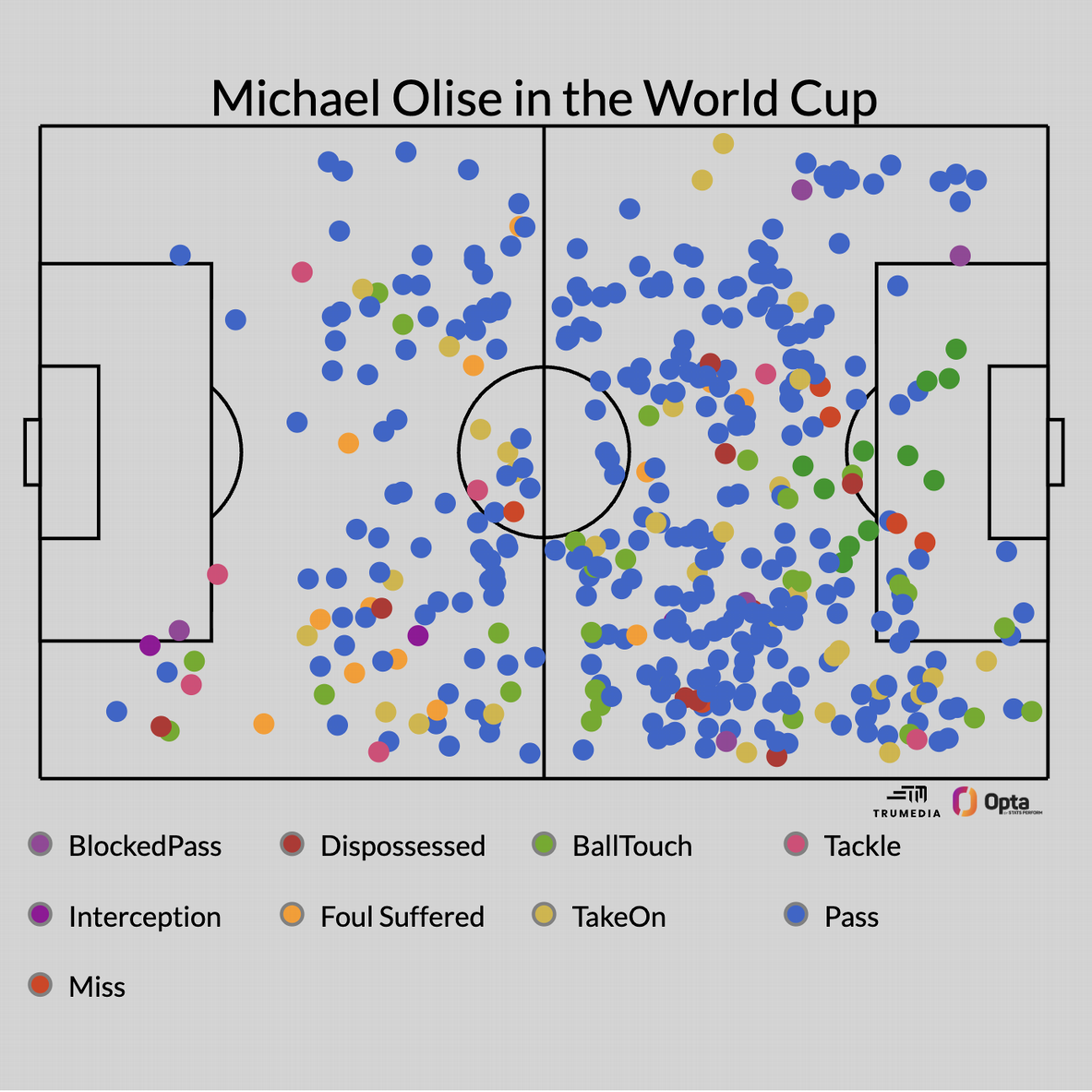
Though Olise hasn’t found the net yet in the U.S. despite taking 17 shots with a 2.1 xG, he is averaging an impressive 16 progressive carries per game in the knockout stages (for context, he averaged 10.7 while dominating the Bundesliga with Bayern Munich last season).
Wherever there’s a gap in the French attack, Olise fills it.
Once France gets rolling, they tend to score rapidly—three goals in 30 minutes against Senegal, three in 25 minutes against Norway, three in 29 minutes against Sweden, and two in six minutes against Morocco. However, unlocking the defense for that first goal can take time; they only managed to break through in the 66th minute against Senegal, the 70th against Paraguay in the round of 16, and the 60th against Morocco in the quarterfinals.
They consistently find a way to score, whether through relentless effort or moments of sheer brilliance, like Mbappe’s decisive goal against Morocco.
MBAPPÉ SCORES HIS 20TH CAREER FIFA WORLD CUP GOAL 🇫🇷
Kylian Mbappé has tied Messi with 8 goals this summer! pic.twitter.com/QRtd42KHsf
— FOX Sports (@FOXSports) July 9, 2026
This goal showcased his knack for creating space and generating powerful direct shots, even against formidable goalkeepers.
The semifinal matchup between Spain and France promises to be a fascinating clash for numerous reasons, including Spain’s unique style—they typically don’t sit back defensively. They prioritize ball possession to control the game and will aim to keep France at bay. Having only conceded one goal across six matches, they could force France to take on a more defensive role, potentially diminishing their attacking effectiveness.
Conversely, they could inadvertently create the very spaces France excels at exploiting, leading to a significant loss. The anticipation is palpable.
– Goals: CF Mikel Oyarzabal 4, CAM Mikel Merino 2, four players with one
– Assists: LB Marc Cucurella 2, six players with one
– xG+xA: Oyarzabal 3.7, RW Lamine Yamal 2.5, LW Ferran Torres 2.1, DM Pedri 1.9, CAM Dani Olmo 1.9, Merino 1.8, LW Álex Baena 1.7, Cucurella 1.5, DM Rodri 1.3, RB Pedro Porro 1.2, CM Fabián Ruiz 1.1
– Progressive carries (possessions ending in goal): Rodri 3, CB Pau Cubarsí 3, Porro 2, Pedri 2, seven players with one
– Progressive passes (possessions ending in goal): Pedri 6, Rodri 3, Cucurella 3, CB Aymeric Laporte 2, Porro 2, Yamal 2, three players with one
– Duels won (possessions ending in goal): RB Marcos Llorente 1, Merino 1, Oyarzabal 1, Rodri 1, Torres 1
1:08
Burley: France will punish Spain if they don’t improve
Spain’s eight goals in six matches are the fewest among the semifinalists. This is somewhat mitigated by their outstanding defense that has conceded only one goal throughout the tournament. However, despite their talent and generally solid performances, they have narrowly avoided serious trouble in several matches. Early on, they drew 0-0 with Cape Verde and later took until the dying minutes in close matches against both Belgium and Portugal to find the back of the net.
Both late goals were scored by substitute Mikel Merino, highlighting the crucial role of players coming off the bench. Still, it would serve Spain well to avoid such late-game heroics in the future.
Therefore, Lamine Yamal stepping up and becoming more integrated with the attack would be timely.
At 18 years old, Yamal has become a focal point for opponents, leading his team in numerous offensive categories including shot attempts (3 that were worth 0.2 xG or more), shots on target (10), and successful dribbles (48). His defensive contributions are also notable, ranking high in duels won and ball recoveries. However, despite his effort to excel, his output has been minimal with just one goal and no assists in six matches compared to five goals and assists at the Euro 2024.
Against France, Spain may aim to control the ball and limit counterattacking chances; however, the strength of the French defense in duels means Yamal will need to step up and deliver an outstanding performance.
Can he recreate his past brilliance against France?
 ENGLAND: Smart plays and rebounds
– Goals: CM Jude Bellingham 6, CF Harry Kane 6, LW Marcus Rashford 1
– Assists: LW Anthony Gordon 3, RW Bukayo Saka 3, four players with one
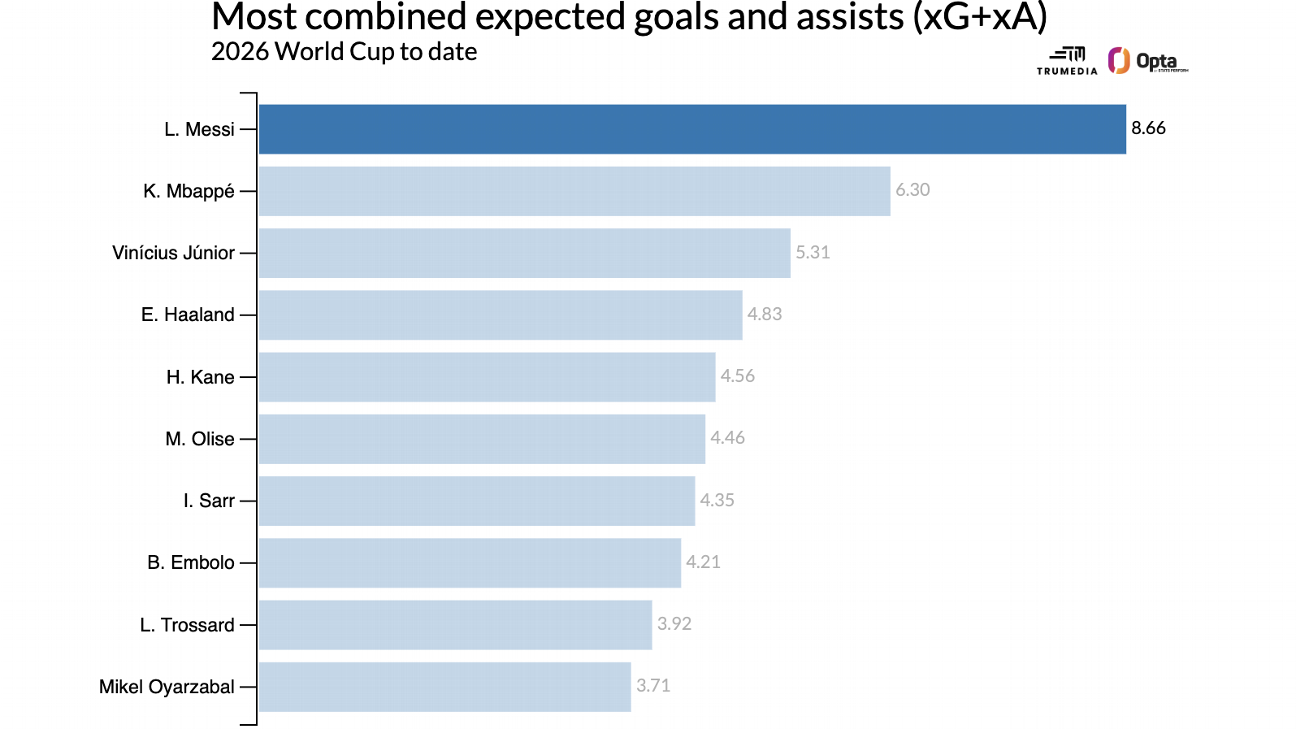
– xG+xA: Kane 4.56, Bellingham 3.52, RW Noni Madueke 2.07, LB Nico O’Reilly 1.27, Rashford 1.17
– Progressive carries (possessions ending in goal): Saka 4, Bellingham 3, DM Declan Rice 3, DM Elliott Anderson 2, O’Reilly 2, GK Jordan Pickford 2, four players with one
– Progressive passes (possessions ending in goal): Anderson 3, Rashford 2, eight players with one
– Duels won (possessions ending in goal): Gordon 3, five players with one
1:22
Burley: Bellingham believes ‘he can take England all the way’
England has had a remarkable journey throughout the month. In six matches, they have showcased multiple styles of play. While they initially thrilled fans with an impressive performance against Croatia, they struggled against more defensive setups in their following three matches before rebounding in the knockout stage.
With standout performances from Jude Bellingham, who scored four goals across two knockout matches against Mexico and Norway, England managed to advance from challenging encounters.
Though they may not have been the overall best team, England has adapted their strategies to conquer each test. As a supporter deeply invested in their success, the experience has been exhilarating, albeit nerve-wracking.
Despite their versatility, certain patterns emerge in their goal-scoring efforts:
– Six of their goals have come from headers—four goals scored and two attempts resulting in rebounds.
– Five goals resulted from effective crosses.
– Five goals came from set pieces, either directly or indirectly.
They’ve consistently created multiple shooting opportunities during scoring possessions, averaging the highest shots per possession of all semifinalists. In terms of cross attempts, England has also been a significant threat with an average of 21.5 attempts per game.
This combination of traditional strategies along with the depth of talent in their roster has served them well as they tread through the tournament.
Against Argentina, it’s uncertain whether their successful tactics will prevail. The Argentine defense is known to concede fewer goals from sudden strikes and relies on brilliant individual displays. Will England be able to provide that spark?
 ARGENTINA: Goals from set pieces and clutch moments
– Goals: CF Leo Messi 8, CF Lautaro Martínez 2, CF Julián Álvarez 1, LM Giovani Lo Celso 1, CM Enzo Fernández 1, CM Alexis Mac Allister 1, CB Cristian Romero 1
– Assists: Messi 2, eight players with one
– xG+xA: Messi 8.67, Martinez 2.78, LW Nico González 1.63, Mac Allister 1.58, Fernandez 1.50, Alvarez 1.36
– Progressive carries (possessions ending in goal): CM Leandro Paredes 8, Messi 6, CB Lisandro Martínez 4, LM Thiago Almada 4, CB Nicolás Otamendi 3, RM Rodrigo De Paul 3, Alvarez 2, Romero 2, Mac Allister 2, Fernandez 2, two players with one
– Progressive passes (possessions ending in goal): Messi 6, Paredes 3, Martinez 3, De Paul 2, Mac Allister 2, Almada 2, CM Enzo Fernandez 2, RM Giuliano Simeone 2, 10 players with one
– Duels won (possessions ending in goal): Mac Allister 3, De Paul 2, Almada 2, Alvarez 2, five players with one
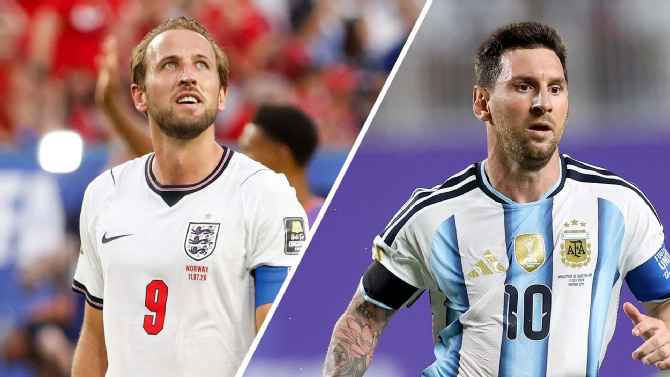
1:35
Klinsmann: Argentina vs. England semifinal will be 50-50
Argentina has tallied 16 goals in this tournament, with Messi contributing eight and assisting on two more. His presence has also played a role in other critical moments, such as creating a chance that led to Julián Álvarez’s winning goal during the quarterfinal against Switzerland.
A SENSATIONAL GOAL FROM JULIÁN ALVAREZ TO PUT ARGENTINA IN FRONT IN EXTRA TIME 🇦🇷 pic.twitter.com/J3Ql16XwX3
— FOX Sports (@FOXSports) July 12, 2026
Beyond just scoring, Messi has been pivotal in driving Argentina’s attacking threats, leading the tournament in both xG and xA.
However, Argentina’s success cannot be solely attributed to their captain:
1. Set pieces have been a strong point. They have scored a total of five goals from set pieces—more than any other team. Remarkably, they have been able to maintain possession from corners even if it does not lead directly to a goal.
2. They thrive on late-game scoring. Argentina has demonstrated resilience, coming back in crucial moments, such as their thrilling matches that involved fighting back to tie games against lesser-ranked teams like Egypt and Cape Verde.
During these matches, they ratcheted up the pressure until they found the equalizer, with contributions from players like Lisandro Martínez and Cristian Romero to seal critical goals.
Given England’s tendency to defend late in matches, it wouldn’t be surprising to see Argentina continually pushing for a goal as they look to level the score in the face of adversity.