



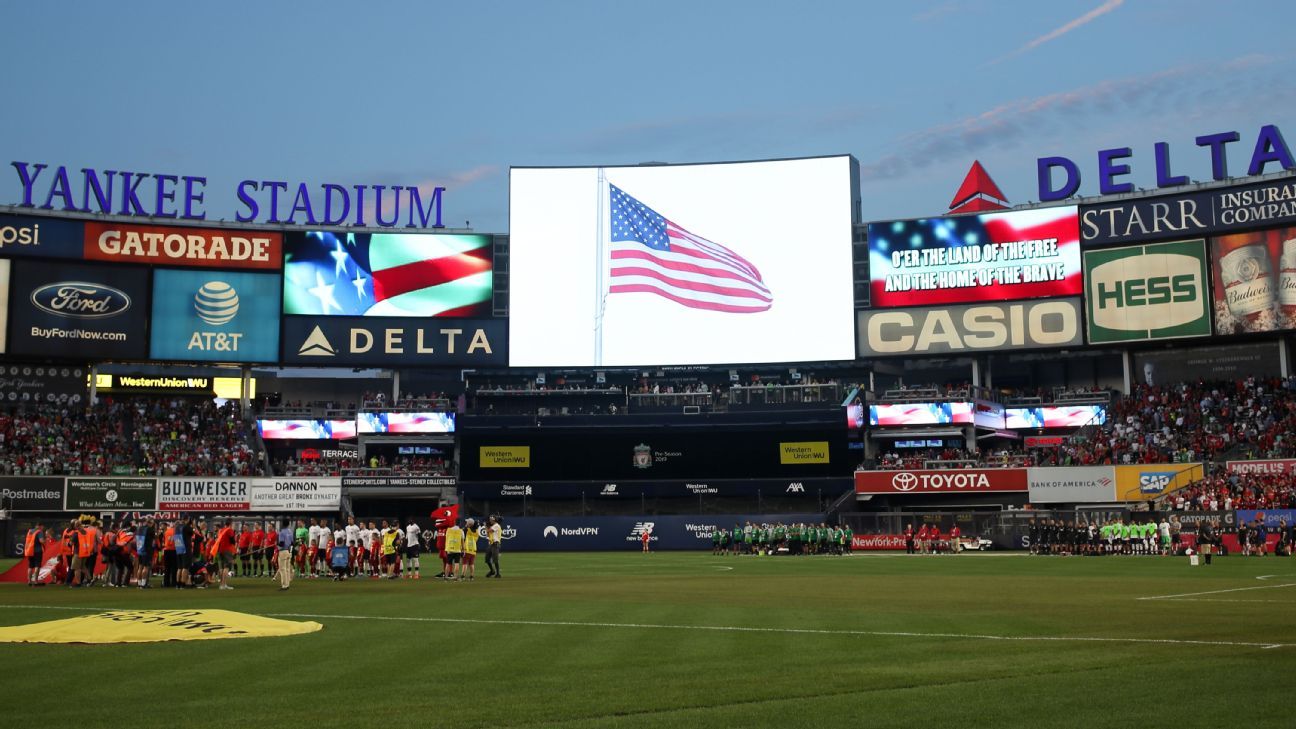
Is your Premier League club in need of external financial assistance? There’s a good chance they’re already receiving it—without you even being aware.
Starting next season, the league will shift from Profit and Sustainability Rules (PSR) to a Squad Cost Ratio (SCR) framework, marking another significant change in the financial landscape of English football. Maximizing off-field revenue to bolster on-field performance is now more critical than ever.
While PSR was centered on a team’s profit or loss over a three-year period, permitting a maximum loss of £105 million, SCR requires clubs to limit their squad costs—mainly transfer fees and player wages—to 85% of their revenue. This model aligns with UEFA’s Financial Fair Play regulations, which restrict spending for teams competing in European tournaments like the Champions League to 70%.
– What makes the Champions League easier for Premier League teams?
– Could Rayan become the next Brazilian star in the Premier League with Bournemouth?
– Barcelona’s transfer dilemmas: Should they let Lewy or Rashford go? Should they sign another striker or defender?
The SCR is just one aspect of a perfect storm brewing.
Beginning next season, the Premier League will prohibit betting companies from front-of-shirt sponsorships. Consequently, 11 of the 20 clubs will need to identify new leading sponsors by the 2026-27 season when the ban takes effect. West Ham United vice chairman Karren Brady asserted in a House of Lords debate in November 2024 that the ban on front-of-shirt gambling advertisements could result in a 20% decrease in total commercial revenues.
So, where can clubs seek help? One avenue involves leveraging external agencies to uncover new commercial growth opportunities. This practice is common in U.S. sports but has only recently gained traction in England.
‘How do I fill that revenue gap?’
Exactly half of the 44 top clubs in England—comprising the Premier League and the second-tier Championship—are primarily owned by American investors. This surge in U.S. ownership has led clubs to look across the Atlantic for innovative sponsorship strategies.
The American market remains relatively untapped for Premier League commercial growth. Data indicates that U.S. brands represent 61% of global sports sponsorship spending, but only one in six European soccer sponsorships involves American companies.
Playfly Sports is at the forefront of this evolution. This sports marketing, media, and tech company positions itself as the “leading revenue maximizer of the sports industry.” The Premier League is now collaborating with Playfly to enhance and monetize its audience in the U.S. Industry insiders have disclosed to ESPN that nearly half of the clubs in England’s top flight currently engage external commercial agencies, up from about 10% in 2023.
Dan Lipman, Playfly’s co-managing director for Europe, noted: “American owners in the Premier League also own clubs in other sports. Playfly interacts with every team in the NBA, MLB, NHL, and these owners have witnessed the sophistication of our approach to commercial revenues, including the variety of brands and connectivity we offer.
“It’s no coincidence that as these owners invest in European football, they’re turning to agencies. Many American sports executives comment on the limited brand presence and activation they observe in U.K. sports. In the U.S., the landscape is vastly different. With SCR coming into play and betting advertising disappearing from shirts, the primary question is how to compensate for the resulting revenue void.”
Until now, commercial contracts at most Premier League clubs were forged through personal connections, where chief commercial officers relied on their network to secure sponsorship deals. This approach is beginning to modernize, similar to how player recruitment has shifted from traditional scouting to analytics. Clubs are now looking to data to shape their commercial strategies and increasingly seeking external assistance with these initiatives.
Football finance expert Kieran Maguire explained to ESPN: “Some Premier League clubs with substantial budgets have adapted to using external agencies to effectively broaden their income sources.
For instance, Tottenham Hotspur hosts more non-football events than football matches at their fully occupied stadium. How can they optimize these for enhanced revenue generation? They can seek guidance on pricing, catering, and merchandise presented by third parties—the club may lack the requisite experience since these strategies are relatively new to their revenue maximization toolkit.”
‘The most substantial brand partnerships will arise from the U.S.’
Last August, Crystal Palace announced SunExpress as its official airline partner, marking the club’s first such collaboration since 1991. Playfly facilitated this deal by implementing a strategy commonly seen in the U.S. that brings airlines to professional and collegiate teams. In college football, for example, Southwest Airlines offers additional flights on game days as part of its partnership with the SEC, while Alaska Airlines is the official airline for the four West Coast teams in the Big Ten.
The U.S. model captivates because of its consistently rising numbers. Last October, the NFL reported a 14% revenue increase for the last fiscal year. MLB revenues reached a record $12.1 billion in 2024, and NBA sponsorship grew 8%, according to SponsorUnited.
“When a U.S. owner takes over, they typically recruit a U.S.-based chief commercial officer who has successfully operated in the U.S. market, who then enlists a U.S. agency to navigate media sponsorship, television visibility, and trust,” Lipman added. “That’s the direction in which things are evolving.”
Tottenham recently followed this trend by appointing Alex Scotcher—previously at the American sports agency firm Elevate—as their new commercial director. Chelsea‘s commercial president, Todd Kline, briefly held a similar position at Spurs and previously worked for the Miami Dolphins; Liverpool‘s Kate Theobald once worked for the New York Yankees.

0:51
Pep Guardiola: Man City are 7th in the Premier League net spend table
Manchester City manager Pep Guardiola has responded to assertions that his team only wins trophies due to their extensive investment in the transfer market.
The new SCR regulations pose significant challenges. Maguire noted: “This rule shift permits clubs to invest 85% of their revenue on player costs, intensifying the urgency to generate that additional revenue since 85% can be allocated to those costs.”
Lipman added: “For clubs in the Big Six, commercial revenue exceeds broadcast revenue, making up 40-60% of their total income.”
“Every team is looking for external sponsorship support, as this represents a substantial opportunity. The largest brand partnerships will likely come from the U.S., and fostering those relationships is crucial.”
“SCR is more directly tied to commercial revenue because it emphasizes consistent income; in contrast, PSR assesses profit and loss over single years. Identifying sustainable and predictable revenue sources is essential—this is where commercial revenue comes into play, through multiyear and long-term agreements.”
“When we collaborate on projects that could potentially add tens of millions to a club’s annual gross revenue, it can significantly influence their player wage budget and, consequently, their ability to attract talent.”
‘Increased advertising opportunities’
The Premier League’s elevated profile and global visibility give its clubs an advantage over rival European leagues in tapping into the U.S. market. A competitive commercial race is also unfolding within England itself.
Arsenal is charting its own course, currently in the third year of what it describes as a revamped commercial strategy aimed at doubling revenue from secondary sponsors. Last year’s financial outcomes highlighted the renewal and extension of their partnership with Emirates, along with rebranding their training facility as the Sobha Realty Training Centre. Given their American ownership under billionaire Stan Kroenke, they will undoubtedly continue to evaluate opportunities from the U.S. as they emerge.
Experts in the industry anticipate that the U.S.-influenced commercial hires at Chelsea, Tottenham, and Liverpool will stimulate competition within that sector.
What could fans expect to see in the coming years? Mike Schreiber, executive chairman of Playfly Sports, shared with ESPN: “Increased advertising capacities—more availability, whether in broadcasts or inside stadiums. More ads in various locations. This trend is not only present in the U.S. but also changing here. Premium fan experiences will be crucial.
“This has proliferated through the U.S. and is beginning to gain traction in the U.K. Sometimes, reducing seating in stadiums can increase revenue; it may seem counterintuitive, but enhancing the quality of seating, providing food service directly to seats, or creating premium hospitality areas are all changes where commercial agencies can thrive.”
Keep an eye on this evolving landscape.