



FIFA President Gianni Infantino has warned that many fans who applied for tickets to the 2026 World Cup may attempt to resell them for a profit on secondary markets, leading to increased ticket prices for the summer tournament in the United States, Mexico, and Canada.
Due to a surge in demand this year, Infantino mentioned that FIFA might need to conduct a lottery to allocate tickets to fans and cautioned that resale prices could escalate further.
This week, a ticket for the World Cup final was listed at an astounding $230,000 on FIFA’s own resale platform. While FIFA doesn’t set resale prices or sell tickets directly, it does earn from a 30% commission on any resale.
Speaking at the World Economic Forum in Davos, Switzerland, Infantino emphasized that in the U.S., reselling tickets on these platforms is “perfectly legal,” and FIFA must respect that law.
He assured that all 104 World Cup matches are expected to be sold out, predicting that tickets, which will be allocated through a drawing, will likely fetch even higher prices on the resale market. “This is remarkable, reflecting the significance of the World Cup,” he stated.
In nearly a century of World Cup history, FIFA has sold around 50 million tickets. For this upcoming tournament, the demand has reached an astounding scale, equating to 1,000 years of ticket requests.
This overwhelming demand may lead to many disappointed fans turning to resale platforms where ticket prices are often significantly inflated.
Fans have expressed outrage about pricing for this year’s tournament, with some tickets priced up to $8,680. In response to criticism, FIFA announced a selection of $60 tickets for every game available to the 48 national federations participating.
On resale platforms, prices can skyrocket, with tickets listed for several times their original value. For example, on NBATickets.com, the official resale site for the NBA, prices are set by sellers plus applicable fees.
Similarly, on FIFA’s resale marketplace, inflated prices underscore the rising costs for fans, while FIFA stands to gain additional revenue from its initial ticket sales.
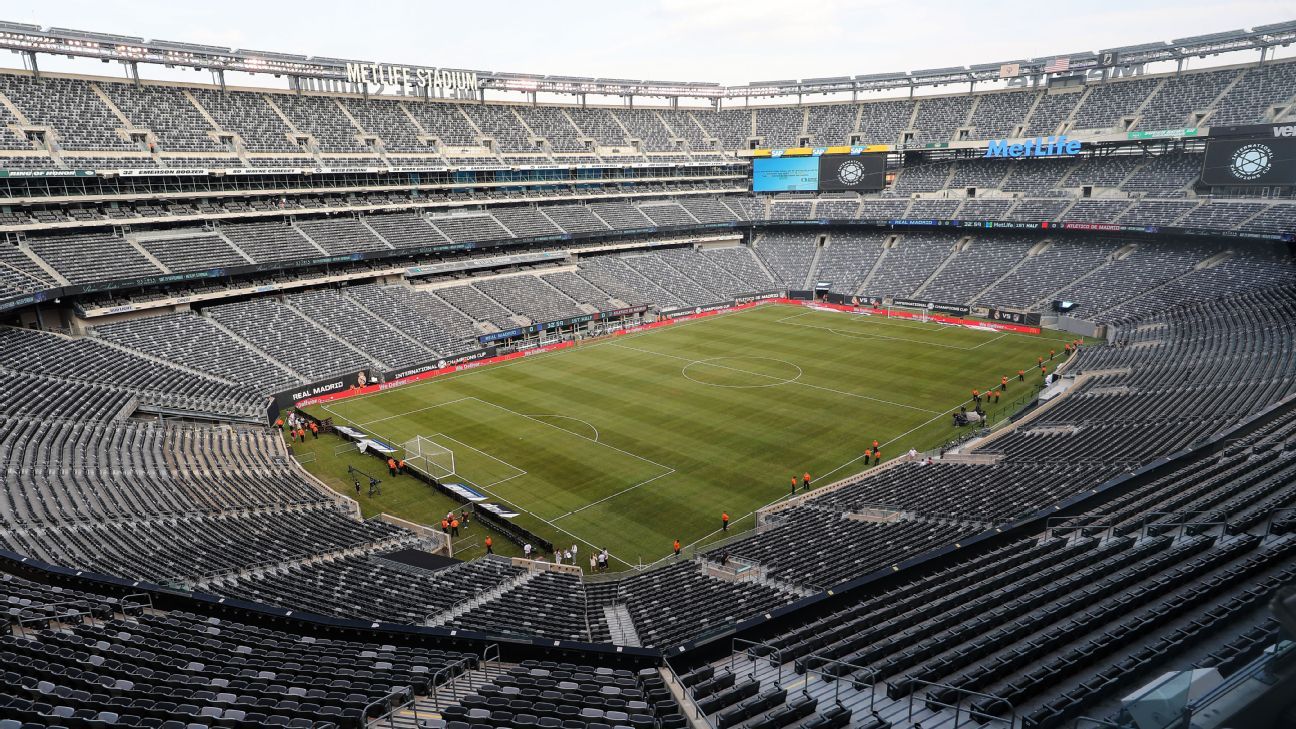
For a Category 1 ticket to the final at MetLife Stadium on July 19, the list price is $8,680, but this could change with dynamic pricing being implemented for the first time at a World Cup.
This week, the lowest listed price for a similar ticket on FIFA’s marketplace was $16,000—nearly double the original price.
If sold at that price, FIFA would receive approximately $4,800 based on its 30% commission.
A fan advocacy group, Football Supporters Europe (FSE), has labeled FIFA’s pricing strategy a “monumental betrayal” and criticized its resale platform.
Ronan Evain, the executive director of FSE, told The Associated Press that he believes “a significant portion of tickets sold and placed on the resale platform are intended solely for profit.”
Other resale platforms are also listing World Cup tickets, while FIFA claims its platform offers a secure way for fans to resell tickets.
During the 2022 World Cup in Qatar, FIFA charged lower fees for resales, which were a minimum of either 5% or 2 Qatari Riyals ($0.50), and had more control over resale prices, which could either exceed or fall below face value.
This approach has changed for the current World Cup. In a statement to the AP, FIFA noted that this reflects how the secondary ticket market operates in the U.S. and Canada, which has different legal considerations than many other regions.
“We aim to ensure fair access to our game for both existing and potential fans. FIFA’s resale fees align with industry trends across various sports and entertainment sectors in North America,” they stated.
FIFA faced backlash last month when it announced a new general ticket release priced between $140 and $8,680.
FIFA defends its pricing strategy, asserting that it “reflects the prevailing market practices for major events in our host countries.”
In Davos, Infantino went further, acknowledging the backlash he faced over ticket prices, particularly from fans in Germany and England.
“Now, the U.S. leads in ticket requests, followed by Germany and England, as everyone wants to attend,” he concluded.
Information from The Associated Press was used in this report.