



The transfer window officially opened on New Year’s Day, sparking a month-long rush for clubs to finalize their roster decisions ahead of the rest of the Premier League season. For teams competing for top honors, this is an opportunity to bolster their squads in pursuit of trophies, while those fighting relegation may look to bring in new talent to avoid dropping out of the top tier.
However, the focus isn’t solely on player transfers. Clubs must also address the contracts of key players approaching expiration—some potentially entering free agency in the summer of 2026 or 2027—and secure them with new deals before they’re tempted to sign elsewhere.
In this edition of Keep, Dump or Extend, Mark Ogden and Gab Marcotti delve into the pressing issues facing Arsenal, from contract extensions to player transfers. Let’s take a closer look!

 Arsenal: Keep, Dump or Extend?
• Current League Position (as of Jan. 2): 1st, 45 points. (Last season’s finish: 2nd, 74 points)
• Realistic Goal: Strive to win in all four competitions, securing at least one trophy
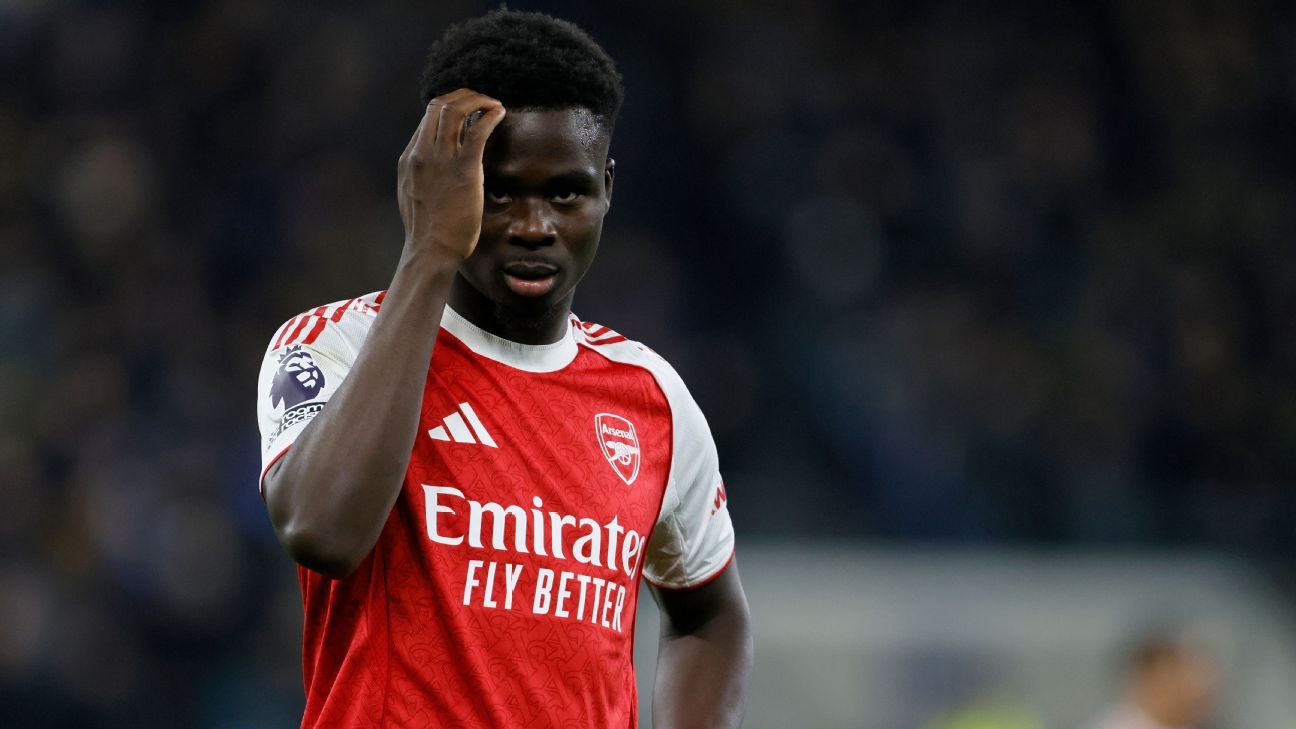
1. Bukayo Saka‘s contract expires in June 2027. Should Arsenal extend his contract now or hold off?
Ogden: It’s surprising Arsenal has yet to address this issue. Saka is arguably their standout player, a product of their academy, and embodies the values the club promotes. Allowing him to enter the final year of his contract poses a significant risk. Have they forgotten what happened with Trent Alexander-Arnold?
At just 24, Saka will attract interest from Europe’s elite this summer or in 2027, so Arsenal must act swiftly.
Marcotti: It’s tough to envision him in another jersey, but there’s always a chance that if Arsenal wins a trophy, he may receive a compelling offer and contemplate a new adventure elsewhere.
It’s possible they’ve already reached a preliminary agreement and are simply waiting for the right moment to announce it, hoping to maximize the publicity. One can only hope this is true; as loyal as he is, no player appreciates being undervalued.
2. With Kai Havertz returning from injury, should he reclaim his spot, or should Mikel Arteta continue with Viktor Gyökeres?
Ogden: While Havertz and Gyökeres have different playing styles, fitting them together isn’t feasible unless it’s towards the end of a match when chasing goals.
Havertz possesses tremendous talent and often steps up in critical moments, while Gyökeres mainly scores against weaker teams and infrequently. Thus, the solution is simple: prioritize Havertz over Gyökeres.
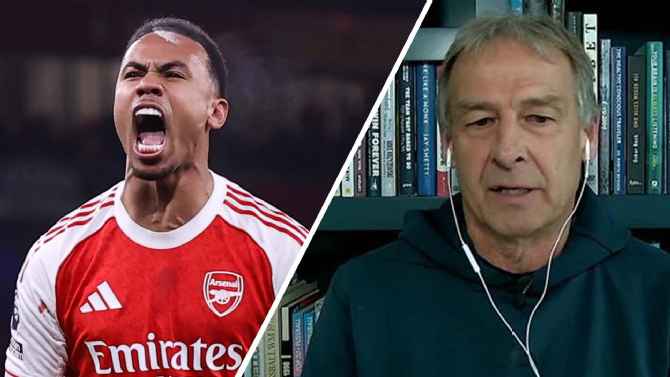
1:15
How Arsenal ‘proved a point’ in their victory over Aston Villa
Jurgen Klinsmann describes Arsenal’s commanding win against title contenders Aston Villa as a “crucial psychological moment” in the Premier League race.
Marcotti: I’m a fan of Havertz, so for me, it’s a straightforward choice. However, the decision may hinge on the opponent. I believe it is feasible for them to play together, but that approach would come at the expense of utilizing stronger alternatives, so it’s not an avenue worth pursuing.
More intriguingly, the focus should be on Arsenal’s strategy moving forward. If Arteta continues to favor Gyökeres over a fit Havertz in most matches, questions regarding the wisdom of keeping their highest-paid player on the bench will arise. With a contract through 2028, and at 27 this summer, it may be time for Arsenal to consider moving him on should he remain a substitute.
– January needs for top Premier League teams, ranked by urgency
– Keep, Dump or Extend: Moves Man United should make in January
– Are Arsenal better off with Merino up front? Analyzing tactics and statistics
3. Mikel Arteta’s contract runs out at the conclusion of next season. Is his future tied to winning a trophy?
Ogden: Critics of Arteta from the fanbase should reconsider their positions. He has revitalized a club that was stagnating for over a decade during Arsene Wenger’s tenure, placing Arsenal back in contention for silverware.
Although they have yet to win a trophy, Arteta has achieved significant milestones. The club should eliminate the notion that he must secure a trophy this season by extending his contract now.
Marcotti: They can afford to wait until June, but Arteta has already demonstrated his value, even without a trophy. It’s crucial to offer him an extension, if only for another year or two. This decision is not solely based on performance on the field; it also reflects how he has represented the club and managed the locker room dynamics.
4. Should Arsenal extend the contracts of Gabriel Martinelli, Leandro Trossard, Gabriel Jesus, and Christian Nørgaard, all of whom see their contracts expire in 2027, in January?
Ogden: Martinelli and Nørgaard hold one-year options on their contracts, so there’s no immediate urgency with those players. However, Trossard and Jesus are likely to be candidates for a summer transfer. Nørgaard, having hardly played since joining from Brentford six months ago, will likely part ways with the club before his deal expires.
Martinelli presents a more complex case—Arsenal would want to retain him, but with him turning 25 next summer, he may evaluate his playing opportunities and consider whether he’s getting adequate time on the pitch. While he makes a difference coming on as a substitute, his impact in starting roles is inconsistent. Therefore, it’s likely that a parting of ways is on the horizon.
Marcotti: Trossard has been extremely effective and content with a role as a squad player. If he continues to receive playing time, he merits the offer of an additional year on his contract.
Nørgaard came in to fulfill a specific role and has been reliable when needed. He remains the sole backup in that capacity, so retaining him is essential.
As for Gabriel Jesus, unless he performs exceptionally well, I would question the wisdom of keeping him. His high salary and the presence of better, younger alternatives warrant a reevaluation of his future; Arsenal should remain open to that possibility while gradually shifting him out.
Martinelli faces a critical juncture in determining his Arsenal future. With Trossard and Noni Madueke in the mix, as well as Max Dowman emerging from the youth ranks, he has limited playing time available. Unless he proves he’s indispensable to the squad, Arsenal may need to prepare for his departure this summer.
5. Should Arsenal consider any player trades this January?
Ogden: Arsenal made substantial moves over the summer, including the less-publicized acquisitions of Nørgaard and Piero Hincapié, overshadowed by the higher-profile signings like Gyökeres, Eberechi Eze, and Madueke.
Their roster is well-rounded in every position, and with Havertz back from injury, I see little need for short-term solutions to address temporary absences.
Marcotti: Each player in Arteta’s preferred starting XI has a suitable substitute on the bench who can perform similarly—except for Declan Rice, who stands alone in his role. This is advantageous, provided Arteta effectively manages this dynamic, which he has thus far.
However, considerations regarding player development pathways are necessary. For instance, Ethan Nwaneri is 18 and has a long-term contract but will likely play less than last season, as he has yet to start a league match after featuring in 11 the previous year. Fullback Myles Lewis-Skelly, 19, was also secured with a substantial contract but has only started one league match compared to 15 starts last season.
It may be wise to explore options that allow these players to gain valuable experience elsewhere, ultimately returning stronger. This could be a challenging proposal for the players, yet if a clear pathway to the first team can be shown, it becomes a worthwhile endeavor.