



-

Emily Keogh
Multiple Authors
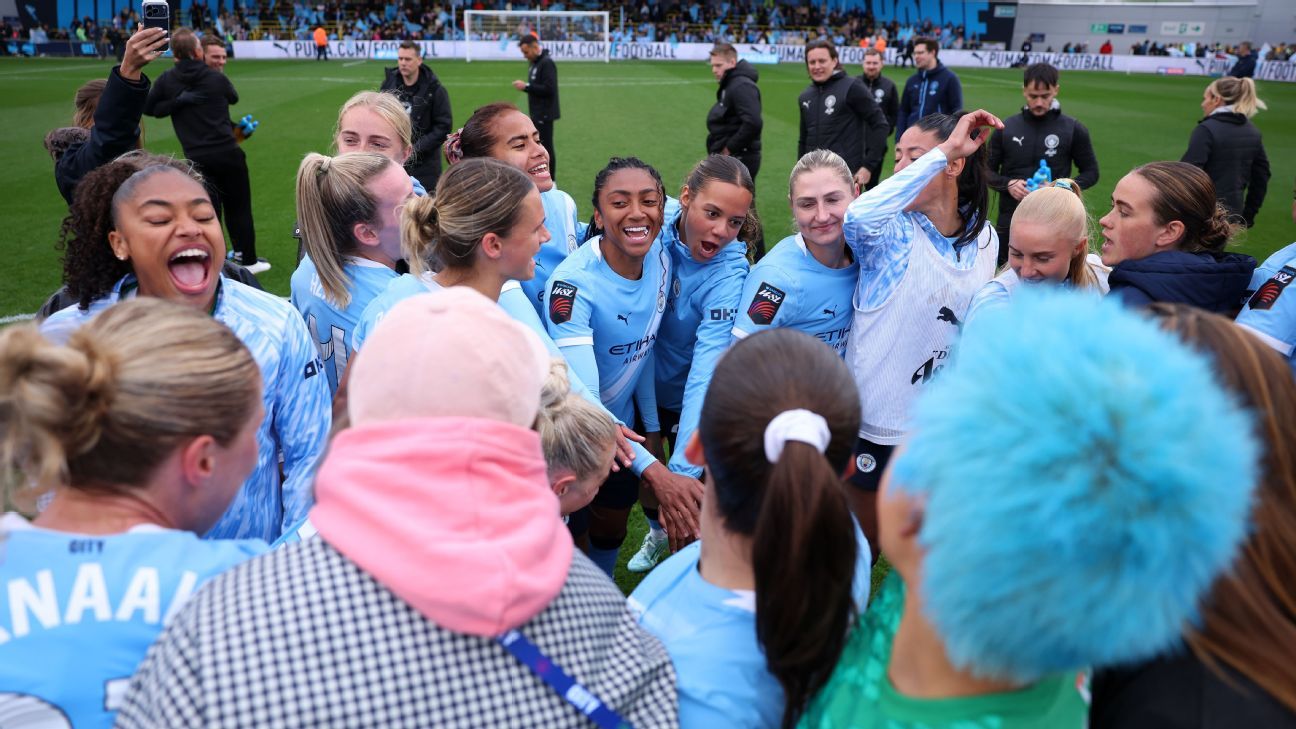
There is no doubt that Manchester City truly earned their Women’s Super League (WSL) trophy this season, emerging as the sole deserving victors.
In a season characterized by remarkable consistency and composure, City toppled Chelsea, who had claimed the previous six titles in succession, clinching their first WSL championship in ten years. This triumph marks a significant nine-month revival for the club, following a fourth-place finish last season that left them out of European competition, which led to the dismissal of manager Gareth Taylor. Under the guidance of former Denmark coach Andrée Jeglertz, City made a decisive leap to the top and didn’t look back.
City dominated numerous WSL statistics across the season, including leading in goals (58), Expected Goals (54.4), and shots on target per match (7.0). They also excelled in creating significant scoring opportunities (97 big chances created), dominating possession in the final third with 8.6 per match, and registering 849 touches in the opponents’ box. Their success was further underscored by accurate crosses per match (7.1) and a remarkable 15 goals from set pieces—double that of the second-ranked team, Aston Villa (7).
The groundwork for their success was laid through past disappointments. Last year, City narrowly missed out on the title to Chelsea, losing on goal difference. This fueled their determination to strengthen their squad and coaching staff, leading to a significant overhaul that included securing a suitable manager, evolving the club’s culture, adjusting tactics, improving injury and health protocols for players, and acquiring key targets. The club’s resilience was evident even when they faced setbacks; following a surprising 3-2 loss to Brighton on April 25, City dramatically secured a near-title-deciding victory over Liverpool just days later, thanks to a crucial 91st-minute header from Rebecca Knaak.
Within three days, the title was confirmed for City when Arsenal failed to secure a win against Brighton. Though not the ideal way to claim victory, they were unconcerned. Jeglertz established a solid foundation amidst many new faces and strategic adjustments that led to their success within a single year. But what were their keys to victory?
Jeglertz, the Manager Who Could
During a spell of injuries and poor performance at the start of 2025 (W3, L2, D1), Manchester City made the significant choice to part ways with Gareth Taylor, who had been their manager since 2020, just five days before the League Cup final against Chelsea on March 15.
Nick Cushing, who had previously managed City to their first WSL title in 2016, took over on an interim basis but lost the final match and subsequently faced defeats in a series of games against Chelsea across various competitions. By the time City lost to local rivals Manchester United in the FA Cup semifinals in April, it was clear that Cushing’s reign was temporary as the club sought a fresh direction.
According to sources, the search for an ideal replacement involved a thorough process led by new women’s football director Therese Sjogran. Having worked alongside Jeglertz previously, she strongly advocated for him. “He has the perfect strategy of play that aligns with City’s identity,” she remarked upon his appointment on July 3. “He possesses the interpersonal skills to manage a strong squad, which will be vital for keeping players engaged.” Jeglertz’s experience spans two decades in women’s football, and he led Umea to a Champions League title (previously known as the UEFA Women’s Cup) in 2004.
His outstanding people management sets him apart, adopting an open-door policy differing from Taylor’s style by fostering direct relationships with players instead of relying solely on staff. Sources noted that he brings a calm and relatable presence to a team filled with a variety of leaders, guiding both experienced players and emerging talent. Jeglertz encourages players to take initiative in problem-solving and strategizing during matches, creating a collaborative environment that contributes substantially to the team’s impressive results.
Jeglertz’s steady demeanor has instilled confidence within the team, as evidenced by shared footage of his pre-match and halftime talks that underline his supportive nature. This connection solidified mutual trust between him and the players, further contributing to their title-winning campaign.
The Metrics Behind City’s Success
by Yash Thakur
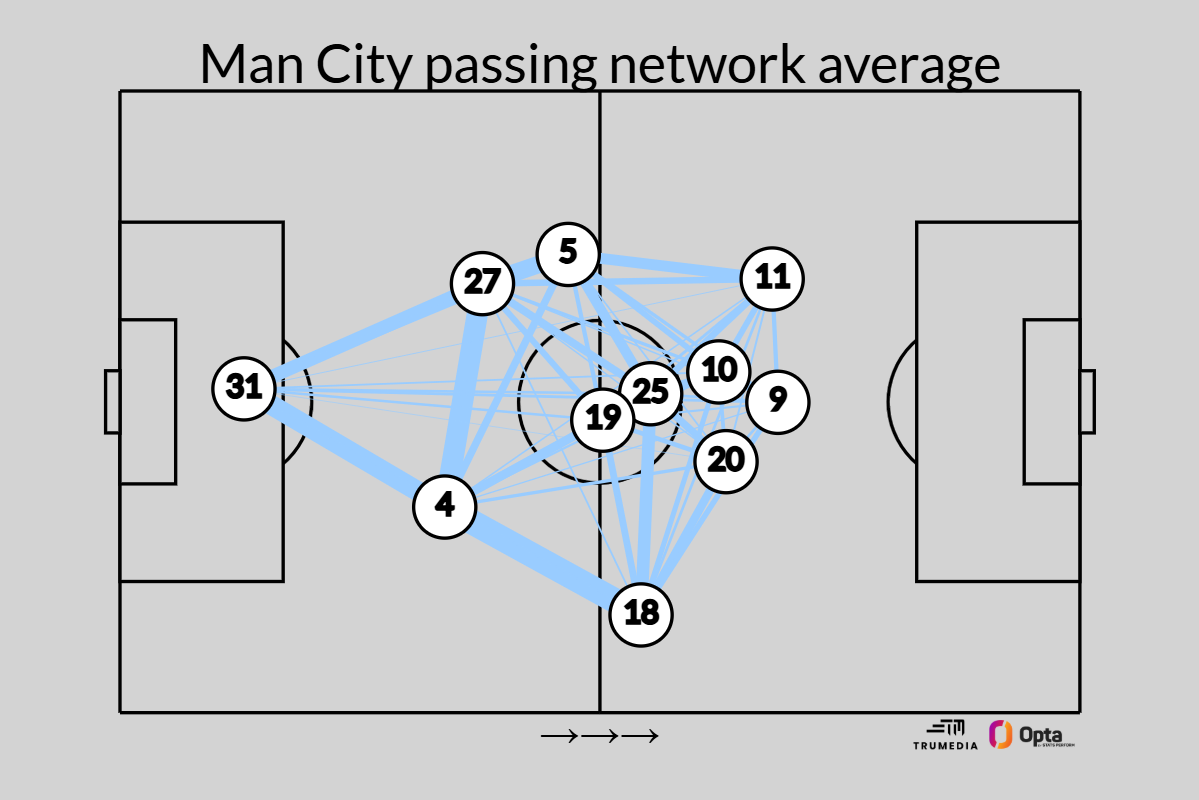
Jeglertz has effectively molded the team into a cohesive unit, excelling in every aspect of play. What were the essential components behind their success?
A Triple-Threat Offense
City’s attacking prowess is reflected in their statistics: 58 goals scored, with 15 from set pieces, ranking them first in both categories. They boast exceptional versatility with their top scorers, including the league’s top three contributors: Khadija “Bunny” Shaw (23), Vivianne Miedema (15), and Kerolin (14).
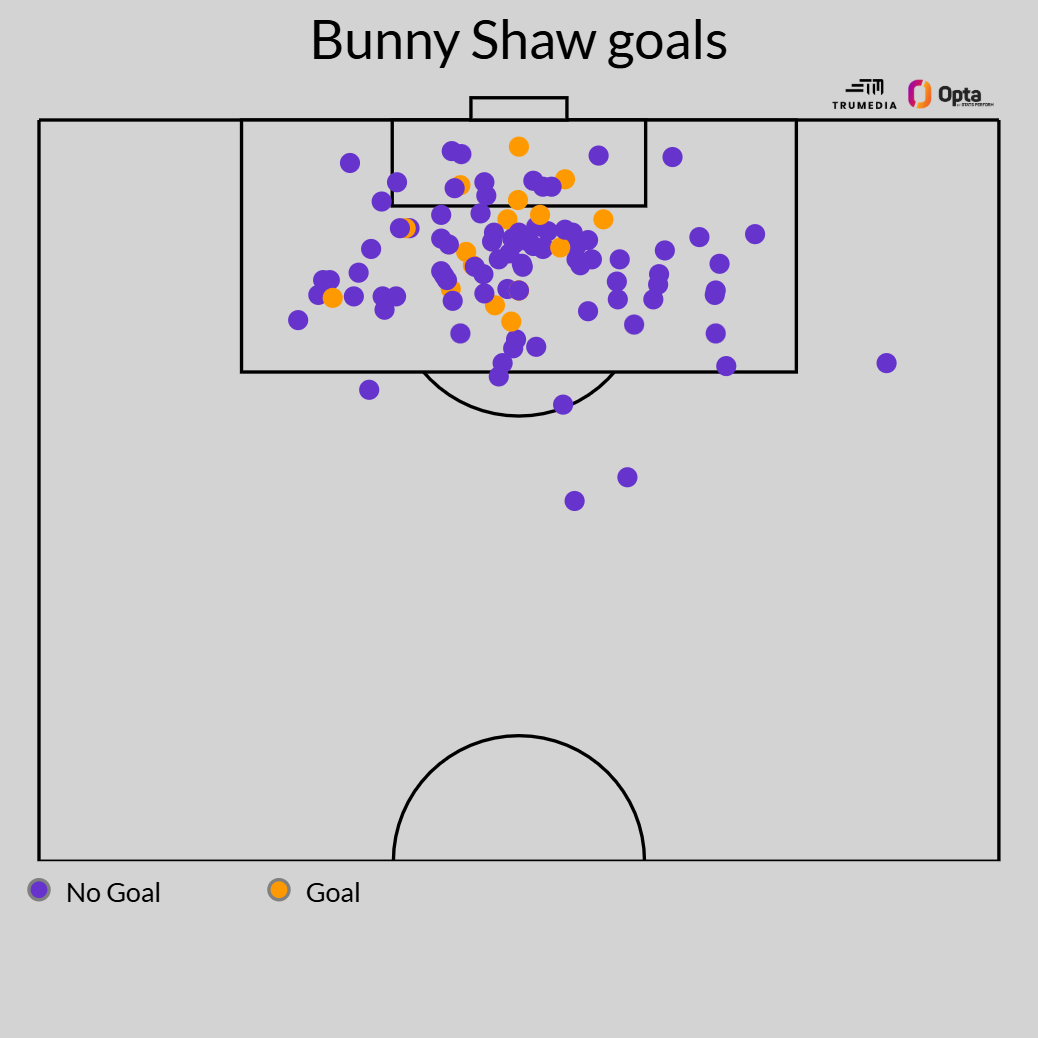
Shaw and Miedema have both excelled, ranking highest for expected goals (19.5 and 9.1, respectively) and leading the league in creating significant scoring chances. Shaw has notched 18 goals and provided four assists, registering 20 or more goal contributions in three of her four WSL seasons. She has also delivered seven game-winning goals, the highest in the league this term. Defensively, Kerstin Casparij, a right-back, recorded over 10 goal involvements this season, making her one of the standout performers in her position.
Hasegawa’s Midfield Masterclass
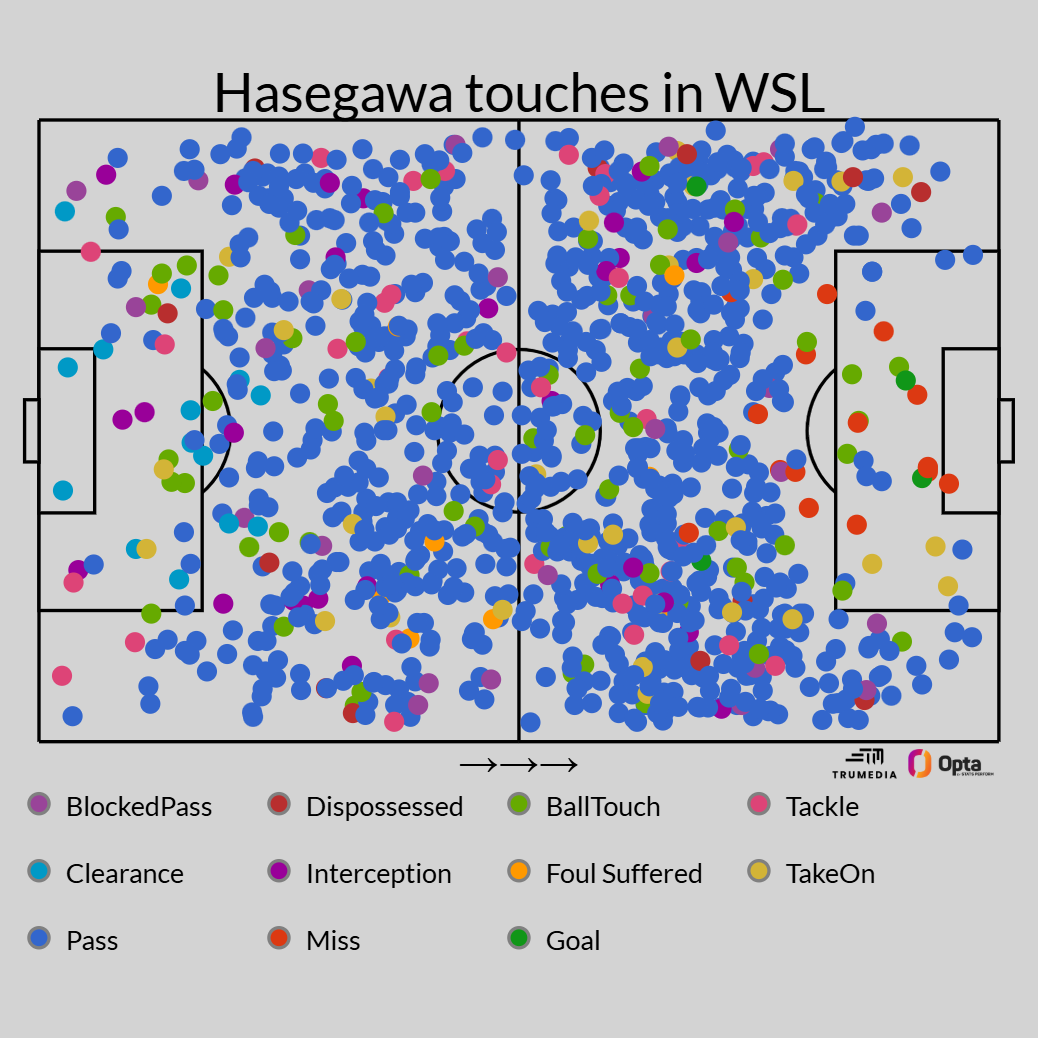
Arguably, Japan’s Sydney Lohmann is one of the best midfielders in women’s football. She recently captained Japan to victory in the Asian Cup, winning every match, and has been integral to City’s successes over the last two seasons.
Under Jeglertz, Hasegawa’s role evolved. Playing in a 4-2-3-1 setup alongside Laura Blindkilde-Brown, she has thrived, regularly receiving the ball in advanced positions to generate noteworthy chances and finish opportunities. She is leading the league with her average of touches in the opponent’s box (1.58) and created chances per game (1.42).
Defensively, her skills shine as well; she ranks high in interceptions and possessions won in attacking areas, proving vital for City’s play and ability to regain possession rapidly.
Defensive Stability
City’s defensive strategy has set a solid foundation this season, conceding just 0.85 goals per game, marking their strongest performance in five years, with the only exception being the 0.68 rate recorded last season.
New center-back Jade Rose has been pivotal, demonstrating strength in individual duels and allowing City to efficiently counter attacks. She ranks among the top players in progressive passes and carries. Casparij has also been influential, delivering consistently strong performances with her impactful involvement in both offense and defense.

1:15
Laurens: Manchester City will be ‘deserved’ WSL champions
Julien Laurens asserts that Manchester City deserves to claim the Women’s Super League as they approach their second league title.
Fresh Talent and Innovative Tactics
City’s season trajectory was significantly influenced by their recruitment strategy, addressing weaknesses from the previous year’s struggles with injuries and squad depth. With notable new signings—such as Iman Beney—City aimed to bolster their squad’s versatility and depth.
Highlights of their transfer activity include acquiring midfielder Lohmann, defender Rose, and Grace Clinton. Having lost key players like Jess Park, they successfully made like-for-like replacements to add depth to their squad.
However, injury issues persisted, prompting the strategic signing of USWNT midfielder Sam Coffey in the winter transfer window to reinforce midfield stability.
Despite facing challenges, such as ongoing fitness struggles with key players, City’s lack of European commitments allowed them to establish strong foundations critical for their title run under Jeglertz.
Focus on Injury Management and Performance Analysis
The previous season’s injury crisis compelled a shift towards more robust injury management strategies within the club. City has become known for some of the quickest ACL recovery processes in the league, allowing players to return to training faster than many competitors.
The focus on individualized care has transformed their approach to rehabilitation, ensuring players receive tailored treatment instead of generic protocols. They have also prioritized understanding the specific health needs of female athletes, including aspects such as hormonal impacts on performance. These methods are informed through collaborations with researchers and academic institutions.
With no single club having perfected the balance for competing across multiple tournaments, City has taken steps to better ensure readiness for future challenges, both domestically and in Europe.
What Lies Ahead
While the celebrations for City’s WSL title are justified, attention is already shifting toward next season and the need to build on their success. Their league finish ensures direct entry into the UWCL, skipping the qualification rounds. Still, questions loom over the squad’s depth and whether they have adequately learned from this year’s experiences.
With reinforcement necessary, City may also need to negotiate the future of Shaw, whose contract is expiring in the summer, amid interest from Chelsea. Allowing her to leave, especially to a domestic rival and on a free transfer, would pose a dire threat to their upcoming seasons.
Jeglertz faces the challenge of not only sustaining their domestic success but also achieving a firm footing in European competitions. While he has started positively, replicating this progress in the evolving landscape of women’s football will solidify his status among top coaches. Although City have proven their capability with this season’s achievements, they must establish this success as a consistent benchmark rather than a fleeting moment; after all, maintaining peak performance presents a different set of challenges altogether.