



The outcome may hinge on whether US courts grant Uefa’s requests for evidence related to the FFE plan. Documents seen by BBC Sport show Uefa is seeking information from three parties: Fifa; Thrive Capital and its founder, Josh Kushner, identified as the lead investor in FFE; and former Formula 1 chief Greg Maffei, described as the deal’s key commercial adviser.
Although filings say neither Kushner nor Maffei are expected to be defendants, Uefa’s lawyers want subpoenas for Kushner covering documents, communications, and a deposition.
Kushner, the brother of the US president’s son-in-law, has not commented. Some legal experts believe he could move to quash a subpoena by arguing the deal’s details must stay confidential to protect business interests and future investments. He has recently agreed a record £9.3bn deal to buy the Los Angeles Lakers.
It’s unclear how long this will take, whether Uefa will obtain evidence to support its claim that the World Cup was deliberately undervalued at roughly £15bn, or whether it will proceed with a criminal complaint in Switzerland.
The chances of criminal charges are also uncertain. In 2002, amid similar fractures, several Fifa executive committee members filed a criminal complaint against then-president Sepp Blatter in Zurich; prosecutors took no action, and Blatter denied wrongdoing. Last year, a long-running Swiss attempt to prosecute Blatter and former Uefa president Michel Platini ended with both fully cleared of corruption.
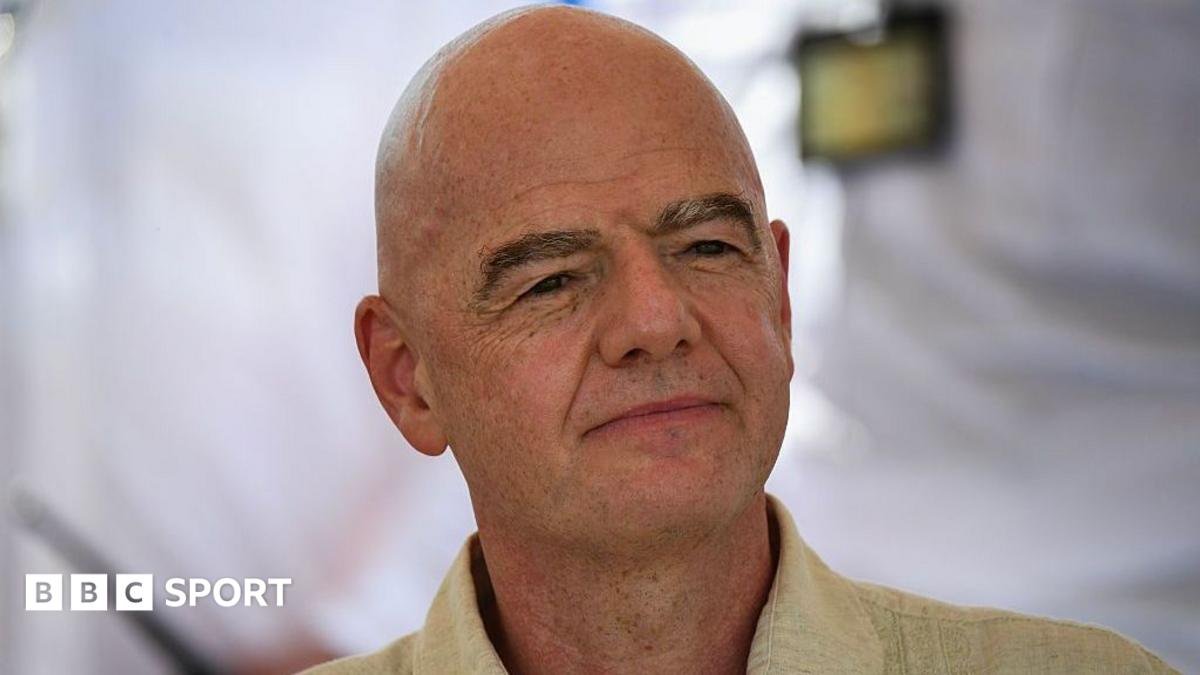
Sports lawyer Nick De Marco KC says Uefa must demonstrate an arguable basis for criminal proceedings against Gianni Infantino; if it can, significant document disclosure should follow. He considers the initial disclosure bid likely to succeed, though any Swiss charging decision would take time. He expects the process could surface revealing documents and shed light on the plan.
Perhaps mindful of these hurdles, Uefa has pledged to pursue fundamental reform: reimpose proper limits on presidential authority, ensure Fifa is governed institutionally rather than around one individual, and demand a truly independent external review of FFE.
Given Infantino’s support in South America, Africa, and parts of Asia—and his resilience against Uefa’s recent challenges—many still expect him to remain in office and seek a fourth term in the spring. Uefa says that if he runs, it will work with partner confederations to offer a credible alternative focused on integrity, accountability, development, and genuine institutional change.
The key questions now: will a unifying challenger emerge, and how can the sport avoid a repeat of this crisis?