




The Video Assistant Referee continues to spark debate each week in the Premier League. But how are decisions made, and are they accurate?
This season, we’re examining significant incidents to delve into the VAR protocol and the Laws of the Game.
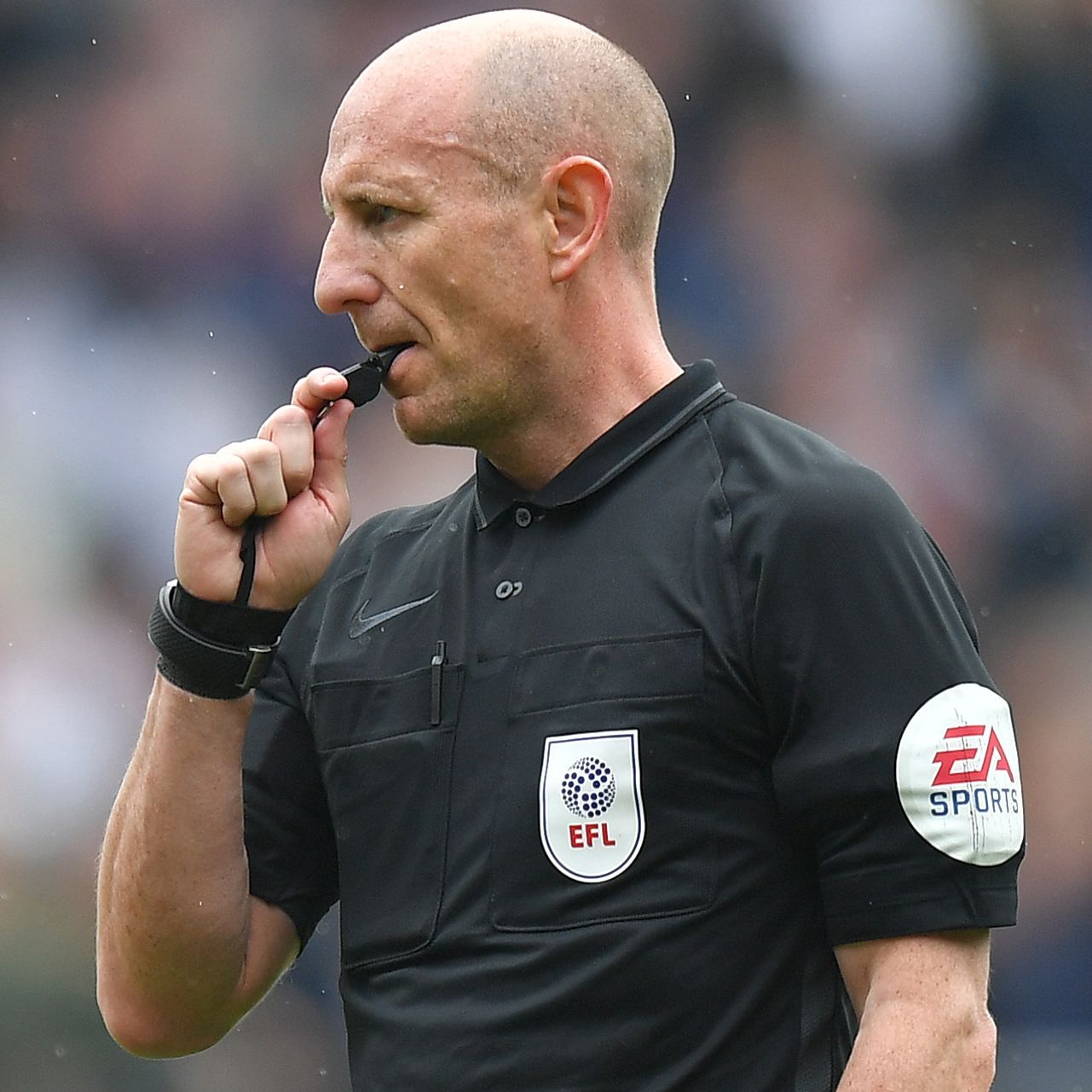
Andy Davies, a former Select Group referee with over 12 seasons of experience in the Premier League and Championship, provides unique insights into the VAR processes during a matchday. Follow him at @andydaviesref.
Referee: Anthony Taylor
VAR: Michael Oliver
Incident: Manchester United’s penalty appeal
Time: 15th minute
Incident Overview: Amad Diallo penetrated the Brighton area, provoking a challenge from Maxim De Cuyper. As Diallo maneuvered back inside, De Cuyper’s right leg appeared to trip the Manchester United player. Referee Taylor decided against awarding a penalty, allowing play to proceed.
VAR Decision: Upon review, VAR confirmed the non-penalty and stated that De Cuyper had made contact with the ball during the challenge, therefore aligning with the on-field decision.
VAR Review: The threshold for VAR intervention is a “clear and obvious” error. After reviewing multiple angles, Oliver concluded that the incident did not meet that criterion. Oliver communicated that De Cuyper had made contact with the ball, justifying the referee’s initial decision to not award a penalty.
#MUNBHA – 15′
The referee’s no-penalty decision for Manchester United was checked and upheld by VAR, confirming that De Cuyper played the ball.
— Premier League Match Centre (@PLMatchCentre) October 25, 2025
Verdict: This incident reflects the ongoing debate surrounding decisions that hinge on a “touch on the ball.” Other recent incidents, including those involving Manchester United vs. Chelsea, Newcastle vs. Arsenal, and Fulham vs. Arsenal, demonstrate similar circumstances. While a touch on the ball can negate a foul, I believe Taylor erred and should have awarded a penalty in this case. De Cuyper’s challenge lacked intent and was more a lazy attempt to trip Diallo, with minimal contact that resulted from his careless approach.
That said, once Taylor opted not to grant the penalty, VAR should not have prompted a review as the decision did not constitute a “clear and obvious” error, suggesting a subjective view that matched the on-field context.
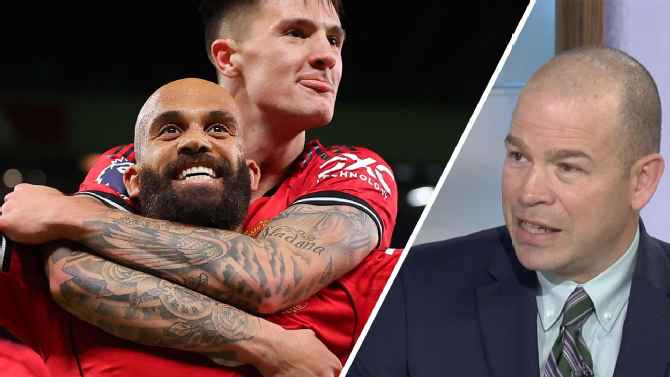
1:53
Moreno: Man United have developed an aura of confidence
Alejandro Moreno reflects on Manchester United’s 4-2 victory against Brighton in the Premier League.
Incident: Possible foul by Luke Shaw on Georginio Rutter.
Time: 61st minute
Incident Overview: After Brighton lost possession, Bryan Mbeumo scored United’s third goal. Brighton argued that Luke Shaw committed a holding offence on Georginio Rutter preceding the goal. Having a clear view of the incident, referee Taylor decided it did not constitute a foul based on his judgment and the Premier League’s officiating criteria.
VAR Decision: As is standard with goals, VAR reviews all moments leading up to the score. The contact between Shaw and Rutter was analyzed, and it was concluded that the decision to allow the goal was correct since the holding was minimal and did not significantly impede Rutter’s gameplay.
VAR Review: The referee’s real-time communication set the context for VAR’s review. Taylor noted the hold by Shaw, but deemed it non-impactful. For VAR to intervene, there would have to be clear evidence that Taylor’s assessment was inaccurate.
Verdict: Despite Brighton’s dissatisfaction, Taylor’s initial call was sound, and Oliver’s decision to refrain from intervention was appropriate. To call a holding foul at this critical area of the pitch, referees look for sustained, impactful, or extreme actions. In this instance, Shaw’s brief contact with Rutter had little influence on Rutter’s ability to continue, as he halted instead expecting a foul call.
In real-time, observing such situations is crucial. A still image may imply a valid holding foul, but viewing it in action reveals that Shaw’s contact was negligible—essentially just “normal football contact.” This is likely the terminology both Taylor and Oliver would have used in arriving at their conclusion regarding the incident.