



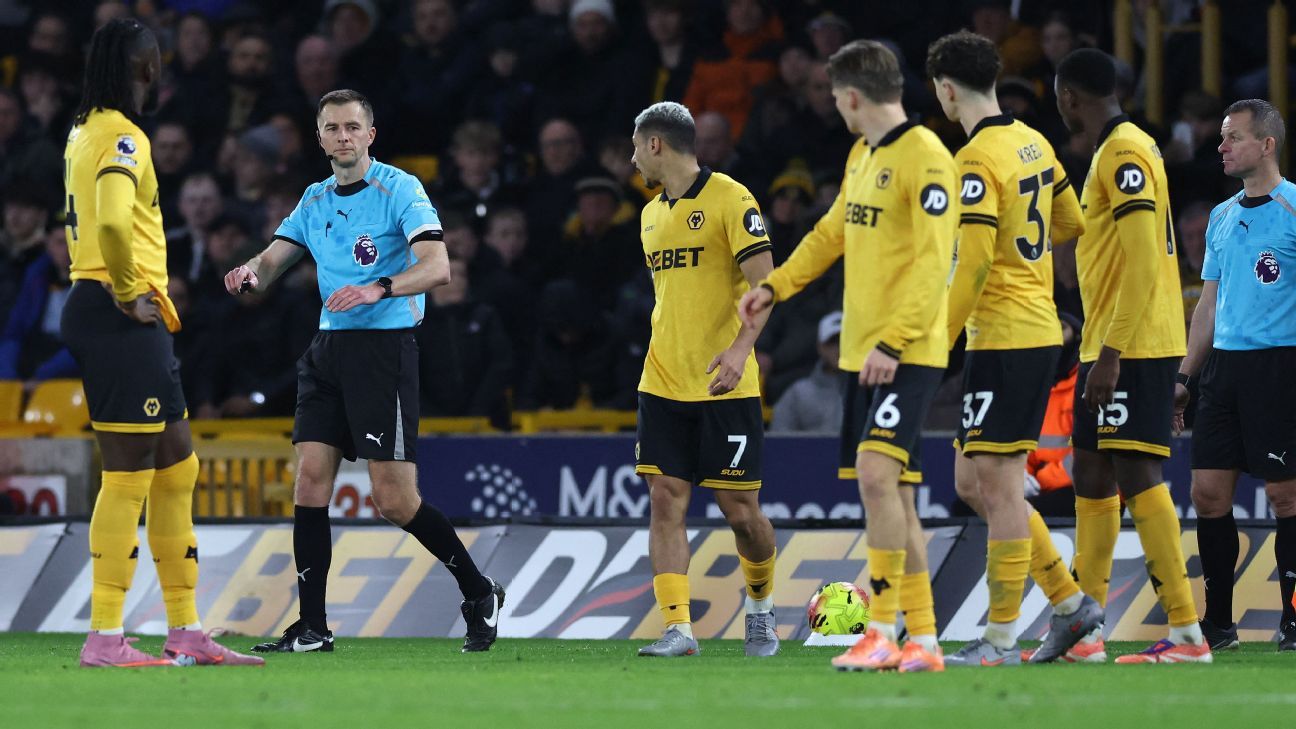
The Video Assistant Referee (VAR) ignites debate in the Premier League each week, but how are decisions reached and are they accurate?
This season, we will explore key incidents, dissecting the decision-making process in accordance with VAR protocols and the laws of the game.
All images credited to NBC
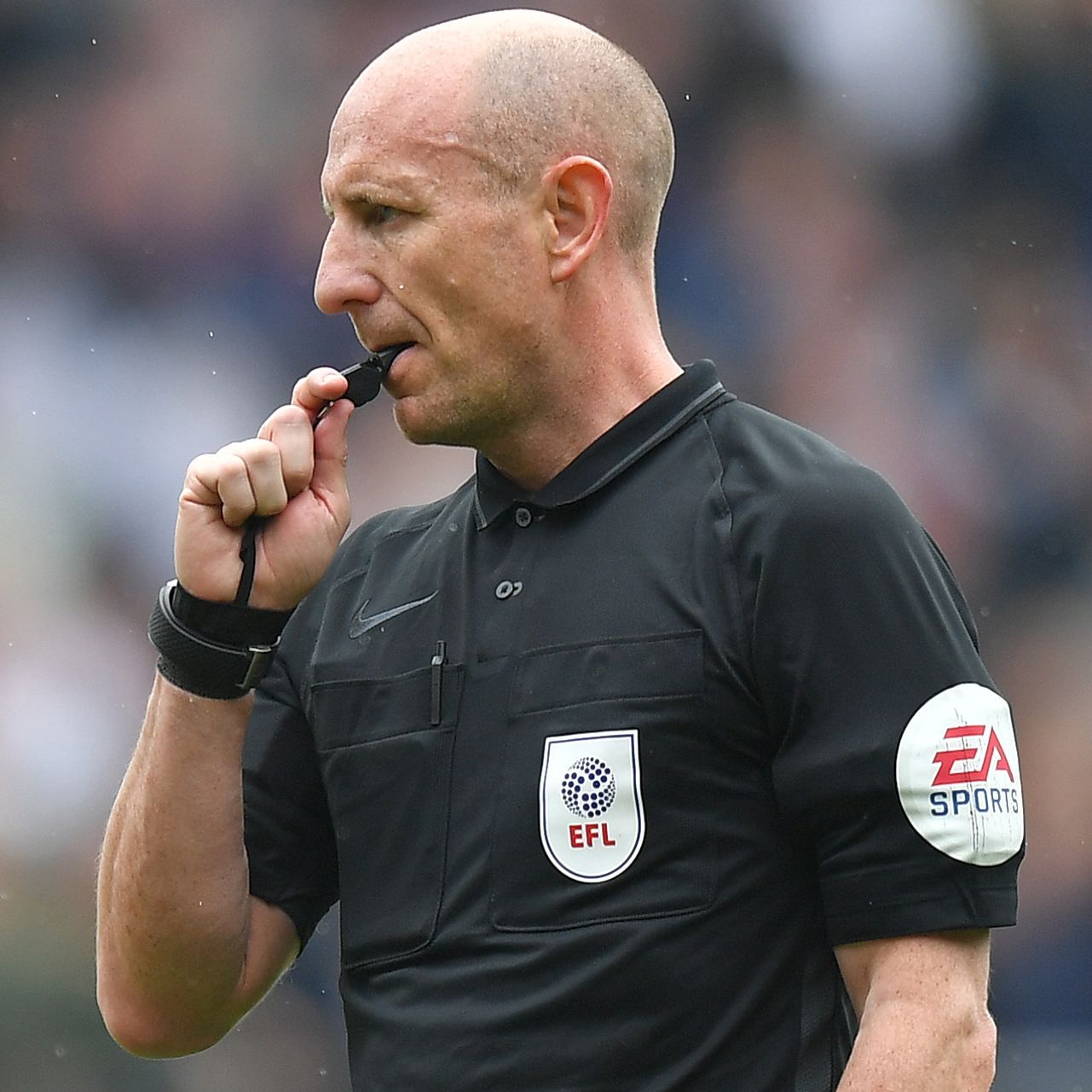 Andy Davies (@andydaviesref), a former Select Group referee with over 12 seasons on the elite list, has officiated in both the Premier League and Championship. His vast experience in high-stakes matches grants him a unique perspective on the operational side of VAR during Premier League games.
Referee: Michael Salisbury
VAR: Nick Hopton
Incident 1: Potential handball by Wolves defender Emmanuel Agbadou in the penalty area.
Time: 38 minutes
What occurred: A shot from Manchester United’s winger, Amad Diallo, hit Agbadou’s arm. Referee Salisbury did not deem it a handball and allowed the game to proceed.
VAR decision: The VAR reviewed the no-penalty call and upheld it, deciding that no handball offence had occurred.
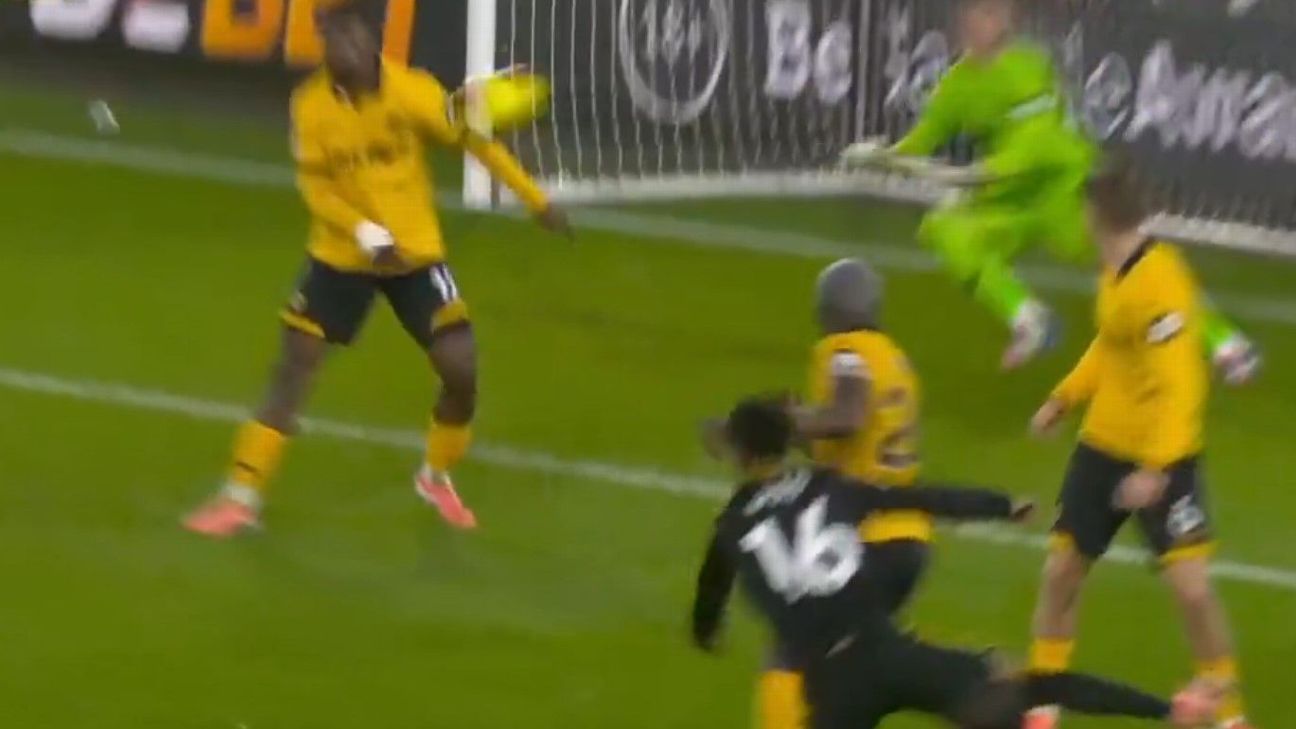
VAR review: The VAR review involved assessing specific handball criteria against available footage to determine if an offence took place:
– Did the player intentionally touch the ball with their hand/arm by moving it towards the ball?
– Did the player contact the ball with their hand/arm in a manner that made their body appear unnaturally larger?
A player is perceived to have made their body unnaturally larger if their hand or arm position is not justifiable by their body movement in that particular situation.
The ball hit Agbadou’s left arm quickly, and the referee might not have had the best angle, which would influence his decision-making. After reviewing all evidence, the VAR concluded that the area of the arm impacted and the movement involved did not constitute an offence.
Verdict: Initially, this seemed like a handball. Upon reviewing the replays, I believe VAR missed an important intervention here. The ball struck Agbadou’s lower short sleeve, which meets the handball criteria. Moreover, there was a deliberate movement of Agbadou’s arm towards the ball, making his body unjustifiably larger. An on-field review (OFR) should have been the result here.
Incident 2: Possible handball by Wolves defender Yerson Mosquera in the penalty area.
Time: 80 minutes
What happened: This time, Amad’s shot hit Mosquera’s arm. The Wolves defender leaned into it, causing the ball to deflect off his upper arm. Despite having a clear view, the referee did not consider it a handball and allowed play to continue.
VAR decision: The VAR assessed the situation and recommended an OFR, believing Mosquera’s actions met the criteria for a handball.
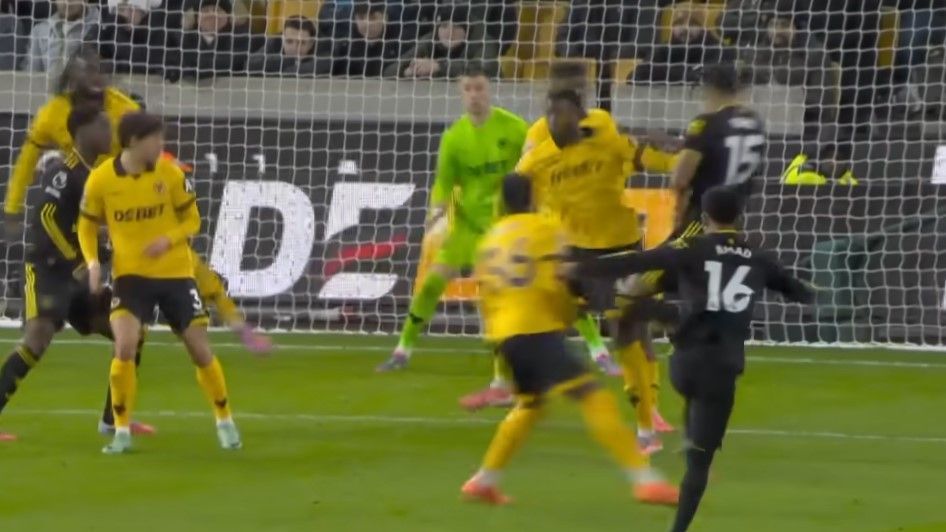
VAR review: Unlike the first incident, referee Salisbury had a clear sightline and initially described Mosquera’s actions as non-deliberate. However, after reviewing the footage, the VAR identified a deliberate secondary movement of Mosquera’s arm towards the ball. Referee Salisbury awarded a penalty to United after conducting the OFR, also issuing a yellow card to Mosquera.
Verdict: This was a correct intervention. While comparisons could arise between the two incidents, it’s important to recognize that the handball law is often subject to interpretation. Nonetheless, both incidents relay that the decisions should have prompted VAR involvement.
Referee: Simon Hooper
VAR: Tony Harrington
Incident: Possible handball as Brighton’s Georginio Rutter struck the ball with his arm three seconds before scoring an equalizer.
Time: 90+1 minutes
What occurred: In the dying moments of the match, Rutter scored an equalizer. Prior to the goal, the ball appeared to hit his arm during the buildup. His teammate Charalampos Kostoulas had attempted an overhead kick, which ended up setting up Rutter. He initially controlled the ball with his right thigh, but the ball then deflected onto his right arm before reaching his foot, allowing him to take a shot that was saved by West Ham’s goalkeeper Alphonse Areola. Shortly after, Brighton defender Jan Paul van Hecke played the ball back to Rutter, who scored at the second attempt. (Watch in U.S.)
VAR decision: The VAR validated the referee’s goal call, concluding that Rutter’s arm was in a natural position and he did not deliberately handle the ball. Furthermore, the arm contact was not deemed to have occurred immediately before scoring.
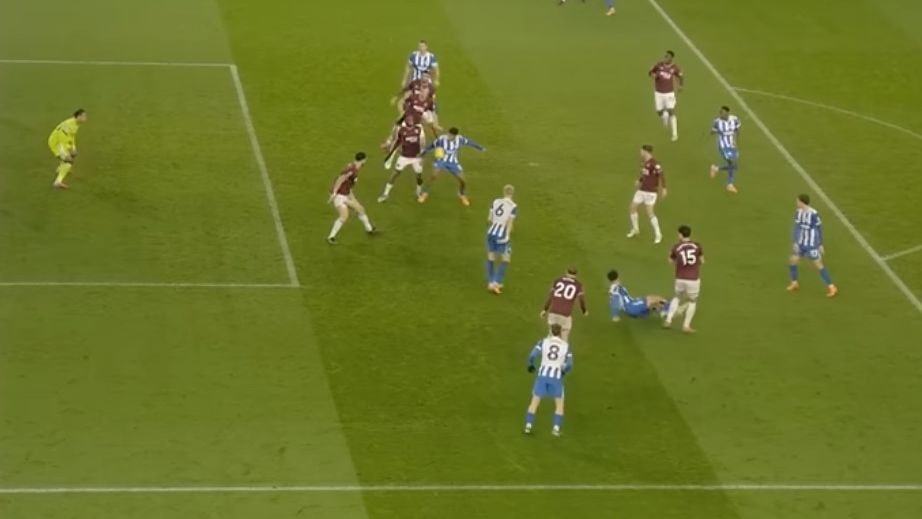
VAR review: The VAR’s focus was on whether Rutter deliberately struck the ball with his arm in the buildup. Accidental contact would not constitute an offence. The VAR deemed Rutter’s arm was in a natural, justifiable position at the time.
Verdict: This decision could spark debate, especially since it led to a goal. West Ham manager Nuno Espirito Santo argued that both the referee and VAR misinterpreted the law. While I appreciate the subjective nature of determining deliberate movement, the outcome seemed correct since the goal was scored in the next phase of play.
According to the law, had Rutter scored directly from his initial attempt, the goal would have been disallowed, regardless of whether his arm strike was deliberate. However, the fact that Areola saved the first shot reset the attacking phase and nullified any potential offence.