



The video assistant referee (VAR) sparks debate every week in the Premier League. But how are these decisions made, and are they accurate?
This season, we will analyze notable incidents to clarify the decision-making process, focusing on VAR protocol and the Laws of the Game.
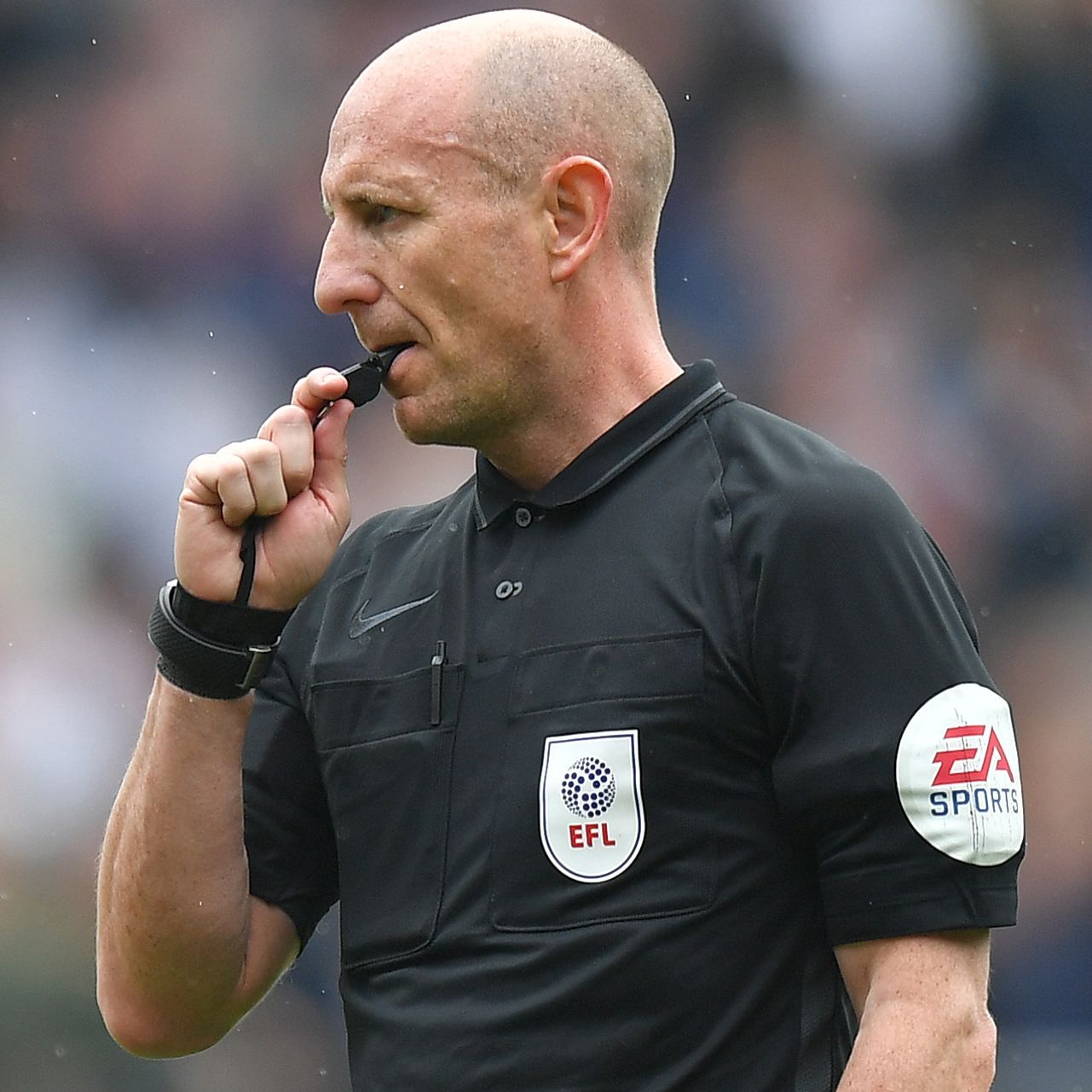
Andy Davies (@andydaviesref) is a former Select Group referee with over 12 seasons on the elite list, officiating in both the Premier League and Championship. With extensive experience in the VAR system within the Premier League, he provides valuable insights into the procedures, reasoning, and protocols employed on a matchday.


Referee: Anthony Taylor
VAR: John Brooks
Time: 83 minutes
Incident: Potential red card for violent conduct
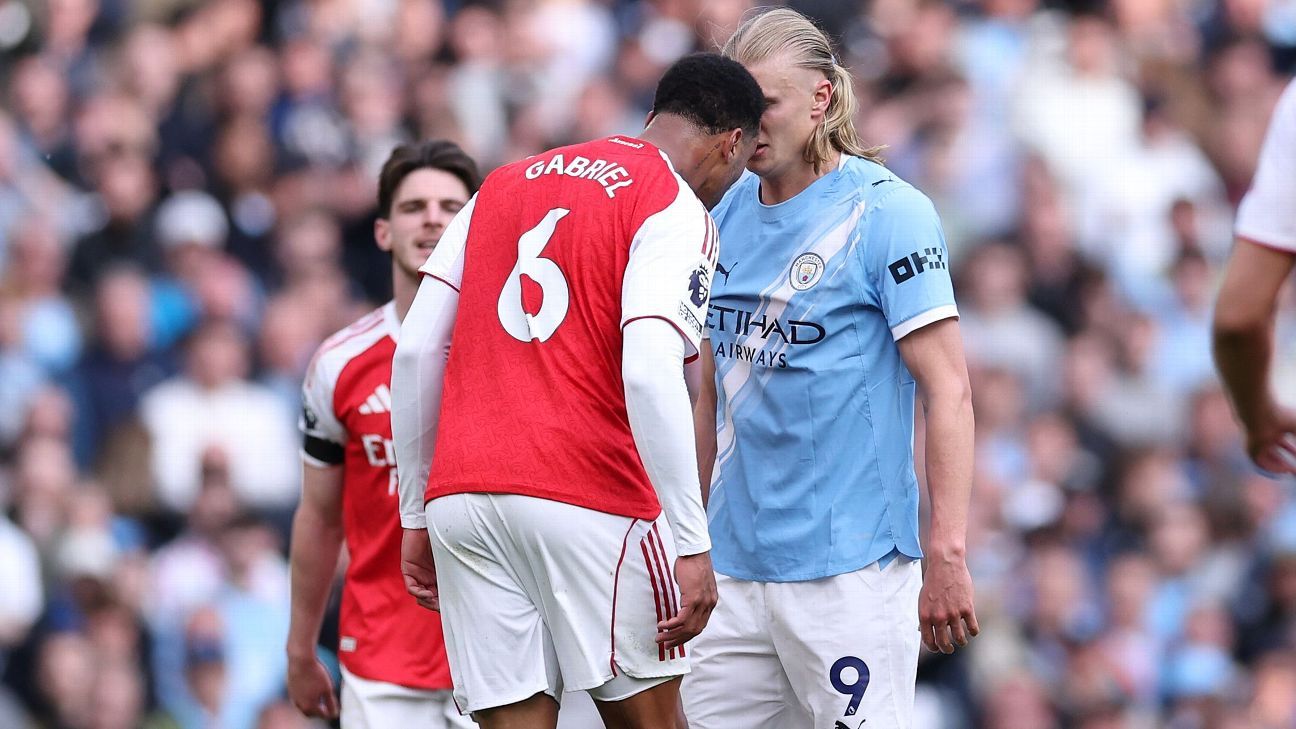
What transpired: An altercation occurred between Arsenal’s Gabriel and Manchester City’s Erling Haaland, during which Gabriel appeared to headbutt Haaland. Referee Anthony Taylor issued a yellow card to Gabriel, and VAR did not intervene.
VAR’s decision: The VAR determined that there was no clear error by the referee and upheld the yellow card.
VAR review process: John Brooks, the VAR, based his review on the communications from on-field referee Anthony Taylor. Taylor’s assessment of the incident was credible, and he provided his reasoning during the review.
According to the rules, a red card for violent conduct is warranted when a player uses or attempts to use excessive force against an opponent outside the contest for the ball. However, if the referee perceives the contact as minimal, he may opt for a yellow card instead.
Taylor explained his decision accordingly, which the VAR did not dispute. Given the specifics of the incident, the VAR chose not to intervene and supported the decision based on the information relayed from the referee.
Verdict/insight: It’s clear that Gabriel was fortunate to escape with just a yellow card for violent conduct. His act of thrusting his head toward Haaland was, frankly, ill-advised. Haaland’s ability to maintain his balance (a feat not everyone could manage) likely influenced Taylor’s decision-making process.
While the contact itself may not have been deemed excessively forceful, you could argue that a reasonable outcome was achieved. However, Taylor’s decision posed a risk; had the match played out differently, his choice to issue only a yellow card could have been pivotal.
In my view, Gabriel should have received a red card. His action constituted an attempted violent act that, regardless of the severity of contact or his opponent’s injury, satisfied the criteria for a dismissal.