



Every week in the Premier League, the video assistant referee (VAR) sparks debate. So, how are these decisions made, and are they accurate?
This season, we’ll analyze key incidents to clarify the decision-making process, focusing on both VAR protocols and the Laws of the Game.
 Andy Davies (@andydaviesref), a former Select Group referee, boasts over 12 seasons on the elite list, officiating in both the Premier League and Championship. With vast experience in the VAR environment within the Premier League, he provides valuable insights into the protocols, reasoning, and processes applied on match days. (Screenshot credit: NBC)
Fulham 2-1 Chelsea
Referee: Peter Bankes
VAR: John Brooks
Time: 22 minutes
Incident: VAR confirmed that Fulham would not receive a penalty.
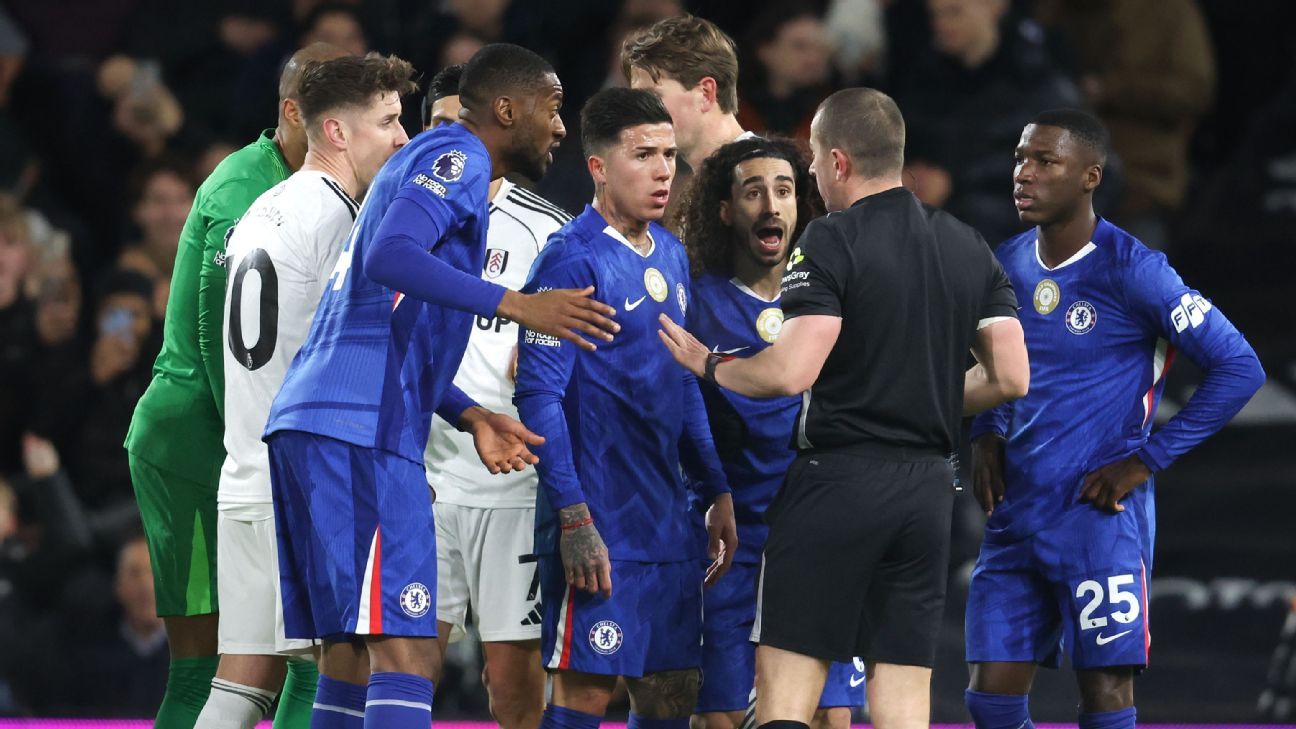
What happened: A long pass from Fulham’s goalkeeper Bernd Leno found Harry Wilson, who managed to evade Chelsea’s fullback Marc Cucurella and had a clear run on goal. Cucurella grabbed Wilson’s arm, committing a holding foul just outside the penalty area. Referee Peter Bankes awarded a free kick and dismissed Cucurella for a denial of an obvious goal-scoring opportunity (DOGSO).
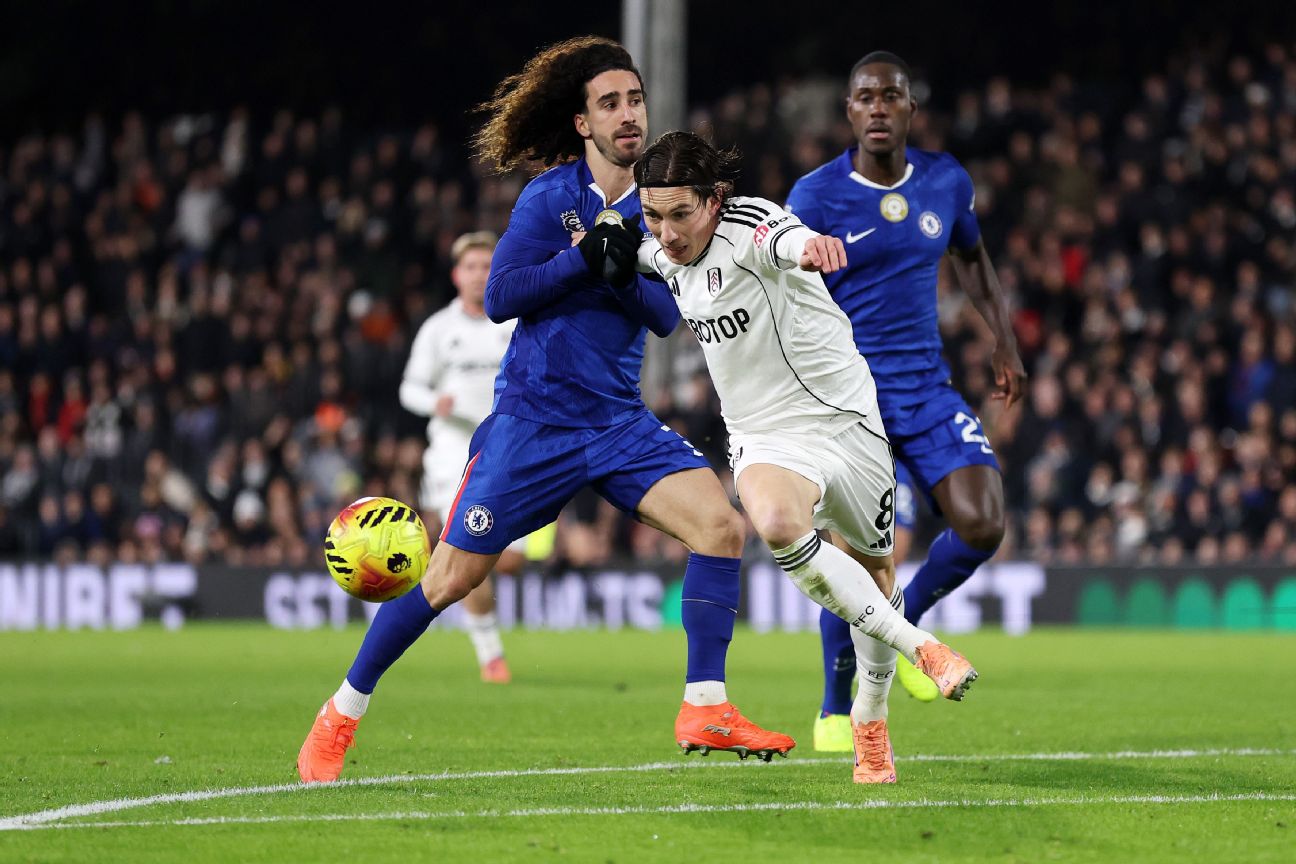
VAR decision/review: Recognizing the DOGSO holding foul by Cucurella, VAR John Brooks only needed to verify that the incident did not continue into the penalty area, which would have led to a penalty kick.
Verdict: This was an extremely close call that could have gone either way. Some television angles suggest Cucurella still had a grip on Wilson as they reached the penalty area line; however, the evidence was not conclusive enough to overturn the on-field decision, leading the VAR to retain some doubt.
Manchester City 1-1 Brighton
Referee: Tom Bramall
VAR: Alex Chilowicz
Time: 38 minutes
Incident: Manchester City was awarded a penalty kick for a foul in the box.
What happened: Brighton’s defender Diego Gómez challenged Jérémy Doku inside the penalty area, but referee Tom Bramall dismissed the penalty appeal.

VAR decision: VAR promptly recommended an on-field review (OFR) regarding a potential penalty for Gómez’s careless foul.
VAR review: The review process was quick for VAR Chilowicz, as replays illustrated a clear careless foul by the Brighton defender. Following the OFR, referee Bramall agreed and awarded Manchester City a penalty kick.
Verdict: The VAR intervention was correct, resulting in an appropriate final decision. Gómez’s challenge was reckless; while the contact level wasn’t high, he failed to make contact with the ball, impeding Doku’s movement in the box. The referee may feel regret over not realizing the careless foul in real-time since it was a fairly clear-cut decision. Being in a strong position, sometimes apparent decisions can mislead officiating, creating self-doubt—a potential explanation for the oversight.
Everton 1-1 Wolverhampton
Referee: Tom Kirk
VAR: Chris Kavanagh
Time: 80 minutes
Incident: Wolverhampton had a player sent off for violent conduct.
What happened: An aerial clash between Everton’s Michael Keane and Wolves striker Tolu Arokodare left Arokodare on the ground, claiming that Keane committed a violent foul.
VAR decision: VAR suggested an on-field review for possible violent conduct by Keane.
VAR review: After reviewing the replays, VAR Chris Kavanagh recommended an OFR for a potential red card due to violent conduct. Keane was shown to have pulled Arokodare’s hair during the aerial challenge, leading to a clear decision. The referee accepted the recommendation after viewing the footage and sent Keane off.
Verdict: This was a correct and commendable VAR intervention, as Keane’s actions constituted violent conduct. Given the positioning of both players, detecting this foul in real-time would have been nearly impossible for the referee. This incident exemplified the valuable role VAR plays at elite levels of officiating, showcasing its effectiveness in enhancing the game.