



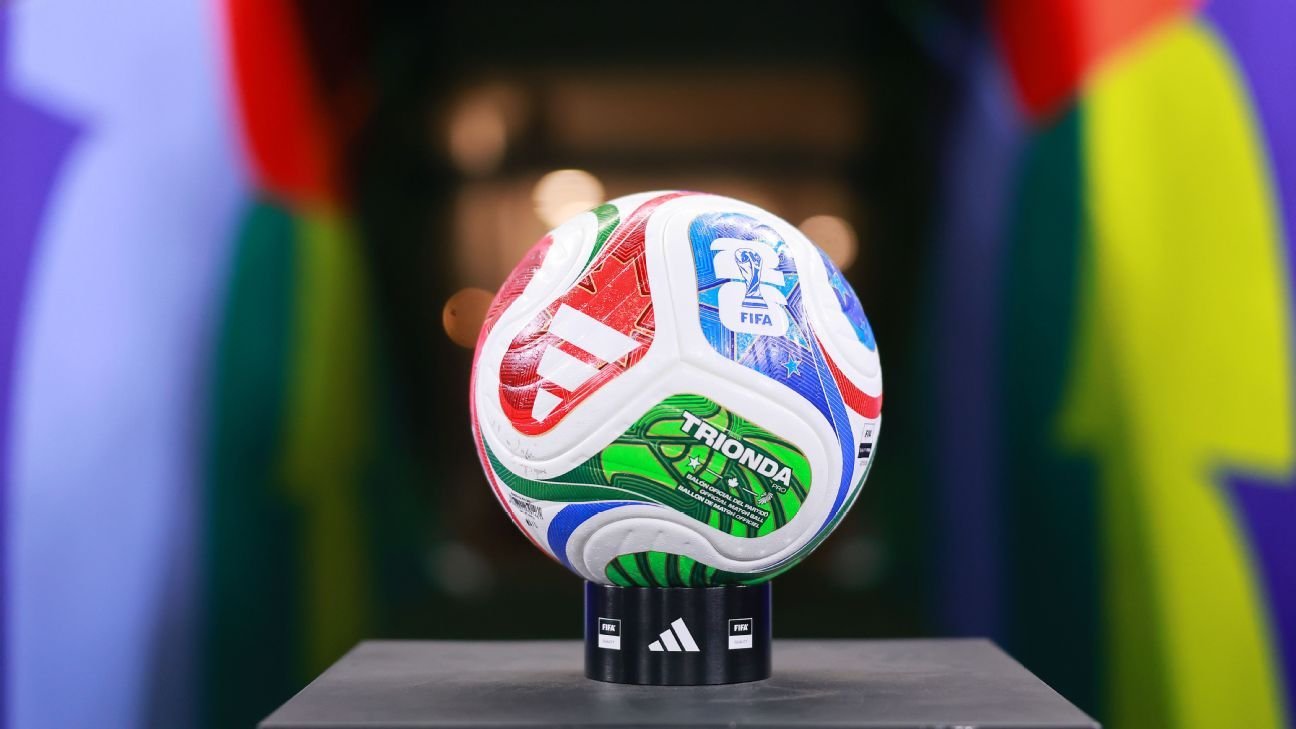
FIFA experienced technical issues when it reopened World Cup ticket sales Wednesday, following the finalization of the 48-team lineup.
The organization did not specify which matches and ticket price tiers were available for purchase.
– 2026 World Cup Costs: What USMNT Fans Might Expect to Spend
– European Fans Lodge Complaint Over World Cup Ticket Prices
– Ranking the 2026 World Cup Squads: All 48 National Teams Competing for the Title
Many users who accessed what FIFA referred to as its “last-minute sales phase” at 11 a.m. ET were mistakenly placed in a queue intended for “PMA late qualifier supporters sales phase,” which was meant for fans of the six nations that secured their spots on Tuesday.
Buyers faced lengthy wait times, with some still waiting to complete their purchases 90 minutes after entering the queue.
FIFA did not provide an explanation for the link confusion but confirmed around noon that the links were functioning correctly.
Additionally, FIFA noted that not all remaining tickets for the 104 matches scheduled in the U.S., Mexico, and Canada from June 11 to July 19 were available for sale, with more tickets being released gradually.
This was the fifth phase of ticket sales, following a Visa presale from September 10-19, an early ticket draw from October 27-31, a random selection draw from December 11 to January 13, and an unanticipated 48-hour sales window in late February.
This phase marked the first opportunity for buyers to select specific seat locations instead of simply requesting tickets in a certain category.
FIFA is implementing dynamic pricing for the tournament, which is to be held across 11 U.S. cities, along with three in Mexico and two in Canada.
During the month-long sales phase after the December 5 draw, ticket prices ranged from $140 to $8,680. Following public outcry, FIFA announced that $60 tickets would be available for each participating national federation to distribute to their most dedicated supporters, with an estimated allocation of 400-700 tickets per team for each match.
“The use of dynamic ticket pricing for the 2026 FWC starkly contrasts with FIFA’s core mission to promote accessible and inclusive soccer globally,” wrote 69 Democratic members of Congress in a letter to FIFA president Gianni Infantino on March 10. “Despite the cooperation of host cities in realizing the vision of the largest, most global World Cup in history, the implications of dynamic pricing will render the 2026 FWC the most financially exclusionary and inaccessible to date.”
FIFA also manages its own resale market, collecting 15% from both buyers and sellers.
Teams such as Bosnia and Herzegovina, Congo DR, Czechia, Iraq, Sweden, and Türkiye filled out the World Cup lineup. Fans of teams that were eliminated on Tuesday can attempt to resell the tickets they previously purchased, including those from nations like Italy, Poland, Denmark, Jamaica, and Bolivia.
In January, Infantino stated that FIFA had received ticket requests equivalent to “the demand for 1,000 years of World Cups all at once.”
“This is unprecedented,” he remarked at the time. “It’s phenomenal.”
It remains unclear how many of those requests pertained to seats in the more affordable categories.
Fan groups have raised concerns about the escalating costs of resold tickets, with one group filing a formal complaint to the European Commission last month.
Infantino defended FIFA’s revenue from resales, asserting that the organization was operating within the bounds of U.S. law. Meanwhile, some European countries have restrictions on ticket resales, mandating that tickets must be sold at face value or only through authorized partners of the event organizers.