



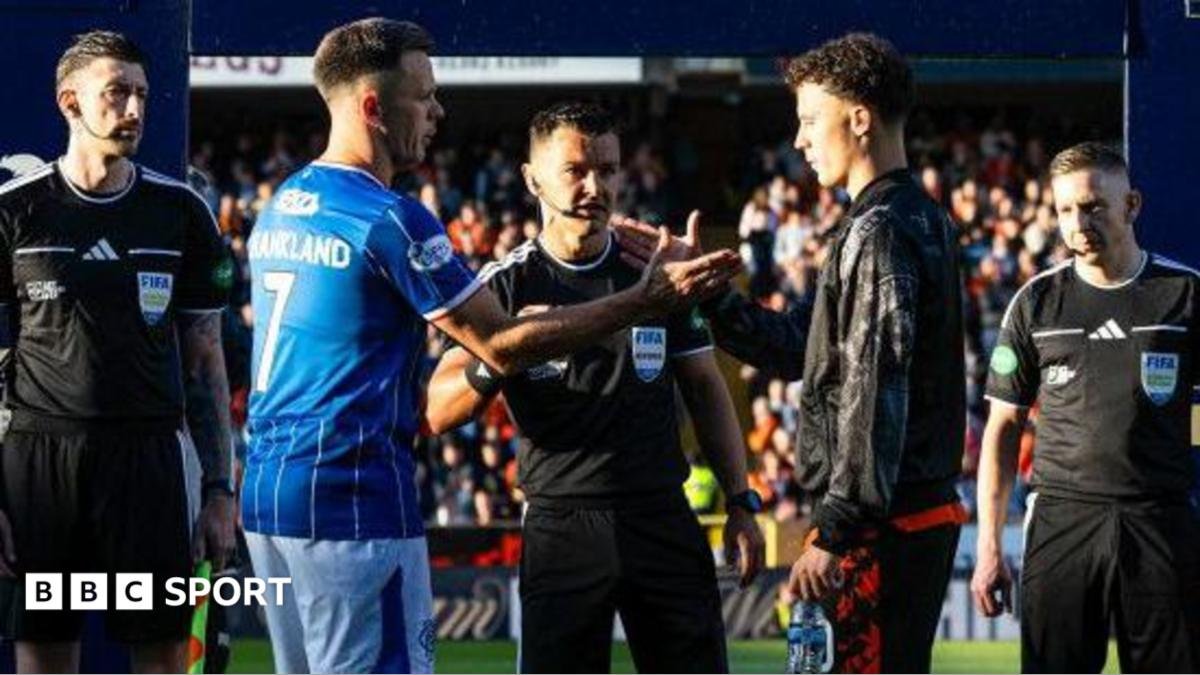
Robbie Ure marked his Rangers debut at 18 by scoring in a League Cup tie against Queen of the South in August 2022.
He made only two further appearances that season—both one-minute cameos in Premiership games, away to St Mirren in November and Hibs in May.
For a young striker desperate to play, that limited exposure wasn’t enough. Even as Rangers struggled, his pathway looked blocked. The club invested heavily up front—£6m on Danilo (around £10m including wages so far) and £3.5m on Sam Lammers (north of £4m with salary)—so Ure moved on, first to Anderlecht and then to IK Sirius in Sweden.
In Uppsala he’s blossomed. Now 22, he’s on 15 goals in 15 matches, with 10 in his last six. On Sunday came word that Sevilla are weighing a move worth close to £8m.
That news arrived the same day Rangers lost 2-1 at home to Hibs, hardly comforting as a former academy player they let go for nothing is now being courted by one of Spain’s storied clubs for a multi-million fee.
If the transfer happens, it will quietly bolster the Scottish FA’s case ahead of next month’s “critically important” summit in St Andrews with club owners and CEOs.
Branded “Made In Scotland?”, the presentation—led by SFA chief executive Ian Maxwell and chief football officer Craig Mulholland—amounts to a plea for clubs, especially in the Premiership, to open clearer pathways and give young Scottish players more chances.
Diplomacy will likely stop them naming names, but Ure fits their point: trust your academy and you might avoid expensive stopgaps and later profit from a sale.
It isn’t that simple, of course. Perhaps Ure’s current promise wasn’t obvious then; hindsight looms large. Celtic know a similar sting after barely using Ben Doak—now Gannon-Doak—before he left for England and became another multimillion talent that slipped away.
Early-season numbers underline the issue. Across the first two Premiership rounds, only 31% of players on the pitch were Scottish, and just 5% were Scots aged 21 or under. A total of 46 nationalities featured.
One stark example: Dundee United have used just one Scottish player—Dylan Tait—across their opening two matches.
Ask chairmen, CEOs, and managers and they’ll all say they want homegrown players in the first team. Then come the explanations—some valid, others less convincing—about why it isn’t happening.
There are nuances. United can point to academy investment and the loss of 16-year-old Kai Hutchison to Everton—one of many post-Brexit moves south.
Celtic have seen Dara Jikiemi head to Liverpool and Daniel Cummings to West Ham. Rangers have lost Cameron Scott (Burnley) and Chris Eadie (Sheffield United). Hearts have Boyd Fraser (Nottingham Forest) and Keir McMeekin (Manchester City) moving on. Hibs can cite Ben Vickery (Manchester City) and Josh Landers (West Ham).
Money matters, but it’s too easy to pin everything on that. The lack of visible opportunity is just as powerful a driver.
Families don’t see a clear pathway or meaningful first-team minutes in Scotland.
The biggest clubs lack enough recent poster boys who prove the route from academy to senior football works. Too often—though not always—the path is clogged by imported journeymen. What’s a talented teenager to think when a steady stream of questionable signings arrives? Stay and stall, or leave and take a chance?
Maxwell and Mulholland face a tough audience in St Andrews. They’ll get people in the room, but will they win them over? To sway clubs that aren’t backing youth, they’ll need to appeal to self-interest.
Set aside national-team ideals for a moment—everyone there ultimately serves their own club. Plenty of sides lower down are already committed to giving their youngsters a proper shot.
Others will recruit from anywhere if they think it boosts results. Their first duty is to their own team—and that will shape what they do.