



On the second night of 2026 World Cup knockout action, two of the three ties were decided by penalty shootouts.
Paraguay delivered the biggest upset, eliminating Germany 4-3 on penalties after a 1-1 draw through extra time. Later, Morocco also prevailed from the spot, beating the Netherlands 3-2 after the match remained level.
In recent years, managers have increasingly turned to very late substitutions in extra time with the specific aim of adding fresh penalty takers for potential shootouts.
But Opta’s latest numbers suggest that approach often backfires. Of the last ten players introduced after the 115th minute at a World Cup or European Championship who then took a penalty, eight ended up missing.
In the first shootouts of the 2026 tournament, Bournemouth’s Justin Kluivert came on in the 113th minute and was among three Dutch players who failed to convert from the spot.
Paraguay also gambled on a very late change but survived. Former West Ham defender Fabián Balbuena entered in the 122nd minute and was one of two Paraguay players to miss in the shootout.
For Germany, substitute outcomes were mixed: Nick Woltemade missed his effort, while Nadiem Amiri and Jamal Musiala both scored.
England have recently found some success with late changes made with penalties in mind.
In their Euro 2024 round-of-16 win over Switzerland, then-manager Gareth Southgate brought on Trent Alexander-Arnold and Ivan Toney during the second half of extra time.
Both converted crucial penalties as England advanced to the final — though notably, both substitutions occurred before the 115th minute.
England have also been stung by late spot-kick substitutions.
In the Euro 2020 final, Jadon Sancho and Marcus Rashford both missed after being introduced late on.
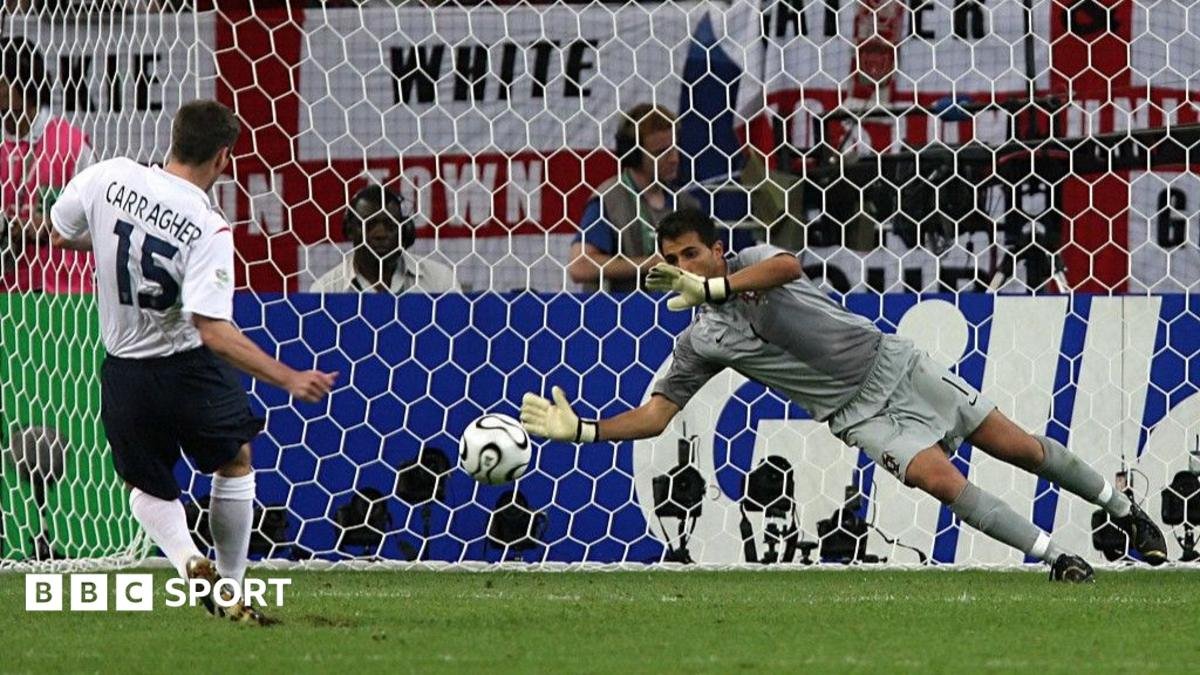
And in the 2006 World Cup quarter-final defeat to Portugal, Jamie Carragher, a late substitute, also failed to score his penalty.