



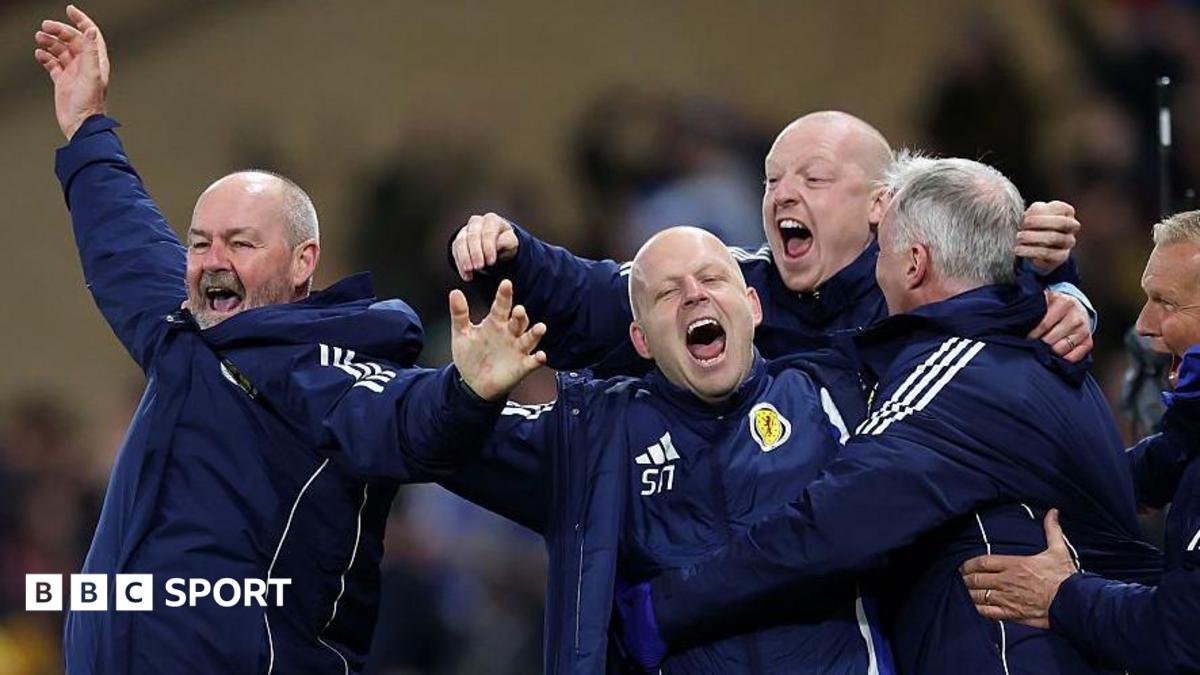
When Clarke was appointed in May 2019, Scotland’s priority was clear: end the men’s long absence from a major finals since 1998.
He delivered that goal more than once. Now his successor’s brief is to build on three qualifications by finally reaching the knockout stages.
That will be no small feat. Clarke united the squad and the country, nurturing a widely praised, tight-knit culture that helped drive those qualifying successes.
That spirit must be preserved even as the squad is refreshed, given it was among the oldest at the World Cup.
But evolution alone isn’t enough. Clarke’s instincts were pragmatic and, even with a more adventurous setup in the win over Haiti, it rarely felt as though the team was fully unleashed.
Should the next coach favour a more attacking approach? Many fans would likely welcome it after exiting consecutive Euros—and now a World Cup—without seriously troubling opponents.
Former Scotland winger Pat Nevin, a close friend of Clarke, said it was a particularly special group and that Clarke drew the maximum from it.
He also warned that many of those players won’t be around much longer; however young 40 might sound for a World Cup footballer, the reality is different.
Nevin added that the identity of the next core isn’t obvious, making the incoming manager’s task a daunting one.