



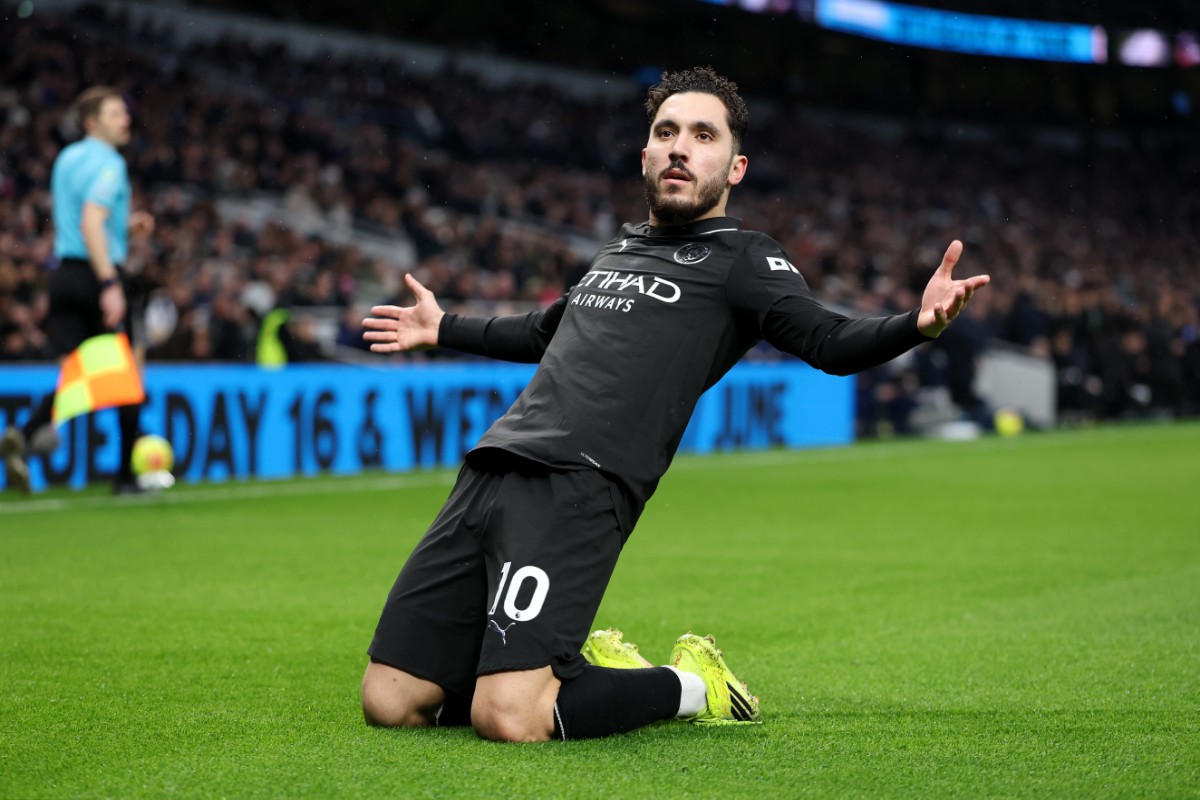
As Manchester City transitions through a squad overhaul following a period of unprecedented success, a new collection of players, each with unique abilities, is poised to lead the club into a fresh chapter. Iconic figures such as Kevin De Bruyne, Ilkay Gundogan, Kyle Walker, and Ederson have departed, making way for talents like Rayan Cherki, Tijjani Reijnders, Antoine Semenyo, Jeremy Doku, and Omar Marmoush, among others, to join Pep Guardiola’s roster. This new generation of key players possesses a distinct skill set compared to the illustrious squad that once dominated under Guardiola.
The pressing question is: Should this new City lineup harness their strengths and embrace the unpredictable nature needed for their attacking players to excel?
Advertisement
Should Pep Guardiola design his tactics to maximize their strengths in the final third, compensating for their weaknesses?
When examining players like Rayan Cherki, Antoine Semenyo, Jeremy Doku, Omar Marmoush, Erling Haaland, and Phil Foden, it becomes clear they flourish in spaces where they can exploit gaps in the opposition’s defense. The challenge, however, lies in the fact that many teams often deny them that space, particularly against Manchester City’s high-pressure style. Recently, we’ve observed a trend where opponents tend to sit back during the first half and then press forward after halftime. This strategy proved effective against City, as seen in their recent draw with Tottenham at the Tottenham Hotspur Stadium.
The prevailing notion that Manchester City struggles against teams that counterattack doesn’t align with the capabilities of their current squad. One would expect Guardiola’s team to perform better as games unfold and space becomes available, especially given their attacking talent. In the match against Spurs, the opportunities to exploit open spaces were present, yet City was unable to capitalize. They were guilty of losing possession too easily and failing to win crucial duels that allowed themselves to break through Tottenham’s defenses. Additionally, City squandered several chances due to poor passing and decision-making—issues that have recurred recently. When faced with more open play, they often falter, which should not be the case for a squad with their caliber of players.

Manchester City possesses the offensive firepower to cause chaos.
It appears that when City faces intense pressure, such as in the encounter with Tottenham, the players struggle to respond effectively, leading to confusion about their approach: Should they maintain control, or should they channel their energy to embrace the chaos and leverage their attacking strengths? It’s crucial for Pep’s side to find a balance and take advantage of their attacking talent. Success in this strategy hinges on winning duels to utilize the spaces provided by opponents like Tottenham. When they do that, players such as Semenyo, Haaland, Marmoush, Foden, and Cherki can be unleashed to perform at their best. However, they must first win the physical engagements, which they notably lost during the crucial stages against Spurs.
Advertisement
Perhaps instead of focusing solely on game control, it’s time for Pep Guardiola’s squad to fully embrace their attacking prowess and aggressively challenge their opponents. With the attacking arsenal they possess, City should shift from a mindset of defense to one of self-confidence that allows their players to exploit spaces when opponents counter. This approach could help them maintain leads or push opponents back, stifling their momentum. It’s an intriguing consideration for the team moving forward.