



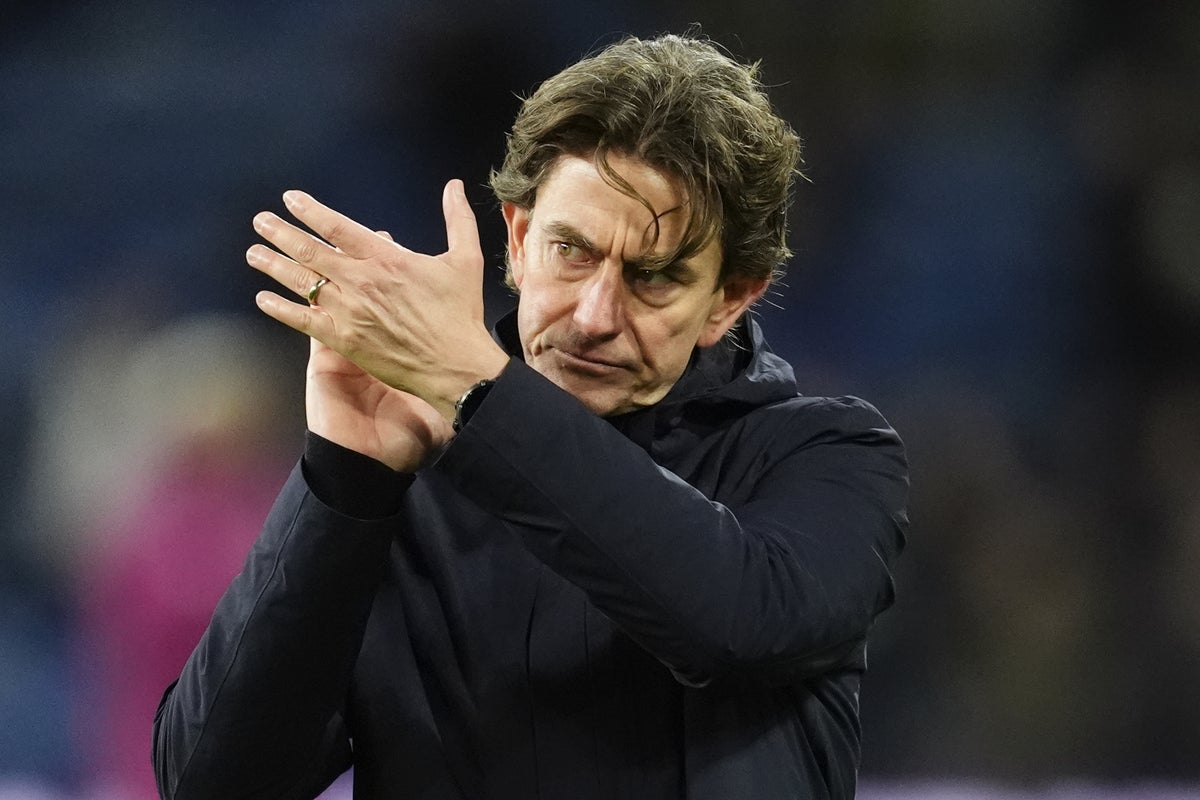
Almost immediately during Thomas Frank‘s short tenure, personnel at Tottenham Hotspur came to realize that the transition would be more challenging than expected. Frank had posed a straightforward and understandable question regarding squad “discipline” and how it was managed.
At Brentford, the club’s structure was so well-defined that dedicated staff members were responsible for oversight in this area.
In contrast, that responsibility fell squarely on the manager’s shoulders at Spurs.
This distinction highlights one of many reasons for Frank’s striking failure and why Spurs still face significant issues. The choice of head coach represents just the most immediate challenge for a club desperate for stability.
Frank reportedly stepped into “a basket case of a club,” multiple sources informed The Independent, yet he also created numerous problems of his own.
Regarding discipline, sources indicate that Frank’s control over the squad was rather “loose,” which eventually led to a total breakdown. Despite having a costly squad, it was not built with a focus on success akin to Arsenal’s model—a comparison Frank made repeatedly, albeit misguidedly. Tactical instructions were not resonating, partly because they lacked conviction. The team’s best performances appeared to come when they played freely, mirroring a pattern that began during last season’s Europa League run. Persistent injury issues further complicated matters.

Tottenham Hotspur’s Djed Spence and Dominic Solanke look dejected after defeat to Newcastle (Reuters)
The 2-1 defeat to Newcastle United highlighted a low point for the team, signaling a moment where it appeared everything had collapsed. Players struggled to win even basic duels, and Newcastle, despite their own challenges, found ample freedom on the pitch.
This decline has been evident for some time.
It is reported that some members of Spurs management felt Frank should have been dismissed four months ago, as The Independent learned. They recognized the signs early on. Discussions around Frank’s future intensified just before Christmas, evolving into a recurring topic of debate every Saturday throughout January.

Tottenham goalkeeper Guglielmo Vicario shows his frustration (PA)
Those close to the board voiced complaints about the repetitive nature of discussions, likening it to “Groundhog Day” as they consistently revisited the same topics each weekend. The 2-1 home loss to West Ham was particularly stark, as the atmosphere in the stadium became toxic and provided a clear rationale for action.
While some within the club, led by CEO Vinai Venkatesham, cited several overarching issues concerning Frank—particularly the structural concerns they now recognized needed addressing—the persistent injury crisis and the need to adopt a long-term perspective were also factors.
Yet the reality of short-term results made this approach increasingly untenable. As sentiments expressed about Ruben Amorim’s Manchester United situation suggest, despite the various contextual challenges, the lack of effective performances rendered justifications unsustainable. The Spurs squad, with their high wage bill, was underperforming remarkably.

Frank’s reign unravelled at Spurs (AP)
This schism within the club underscores broader issues not only regarding the selection of the next manager but also the overall decision-making processes at Spurs.
Advertisement
The departure of Daniel Levy in September left a noticeable vacuum, with current control now resting with the family of former owner Joe Lewis, who oversees the club through a trust. Vivienne Lewis plays a significant role, alongside son-in-law Nick Beucher, but their familiarity with the football landscape is still developing. While Venkatesham is respected in the industry, he tends to pursue consensus rather than make authoritative decisions.
Speculation about a potential takeover amplifies the instability, despite denials. Such an atmosphere is not conducive to fostering stability.

Frank gestures on the touchline (PA)
If Spurs had a robust football structure, these issues would be less pressing. However, they have seen a director of football and now a manager depart within months, as they strive to establish an elite modern club infrastructure. Much has hinged on Levy’s leadership for far too long.
Advertisement
As noted by several former coaches, the club often transitions between starkly different management styles, leading to a mismatched squad. Worse still, “that squad has multiple football scars” as one source described, with many players having experienced dysfunction during their time at Spurs.
Despite this, there was a rationale behind Frank’s appointment. The analytics presented a strong case that ultimately convinced Levy, and Frank had expressed a desire to implement a more expansive style with superior resources—evident from his interviews for positions at Manchester United and Chelsea.
The core issue was Frank’s inability to perform at such a level without the necessary organizational support, quickly leading him to feel overwhelmed. This was evident in interviews, where he exhibited less composure than before. The pressure of being at a club of Spurs’ stature, unlike Brentford—which allowed for a grace period of several winless months—was immense.

Frank embraces Pedro Porro (Getty)
The atmosphere surrounding the club intensified, particularly after the toxic environment during the defeat to West Ham, rendering recovery virtually impossible.
Advertisement
This underscores why Frank should have been let go much earlier given the unmistakable signs of distress.
Recognizing the “toxicity” among fans, the Spurs leadership now seeks a “unity candidate,” leading them to consider the obvious and ideal choice, Mauricio Pochettino. Some board members are advocating for immediate action.
There have been informal discussions about this possibility in relation to the 2026 timeframe.
Nevertheless, it is believed Pochettino will not leave his role with the U.S. team prior to the World Cup. Tottenham may look for an interim solution until then, although candidates are limited, with Johnny Heitinga a potential option.

Mauricio Pochettino could emerge as an option to succeed Frank (Reuters)
As multiple sources contend, “this sums it up—beyond Pochettino, it appears they lack a coherent plan.” Some within the club clung to the hope that Frank would turn things around, even temporarily. They were looking for some breathing room. This uncertainty also leads to speculation they might pursue a total shift in direction by targeting Roberto De Zerbi.
Advertisement
With 11 days until their next match, Spurs face the pressure of making crucial decisions. The upcoming north London derby against the league leaders could prove pivotal; a loss to Arsenal would emphasize the urgency of their situation as they find themselves battling relegation. This predicament forces them to juggle immediate, medium-term, and long-term considerations all at once.
Like Frank’s tenure, it’s shaping up to be one monumental mess.