



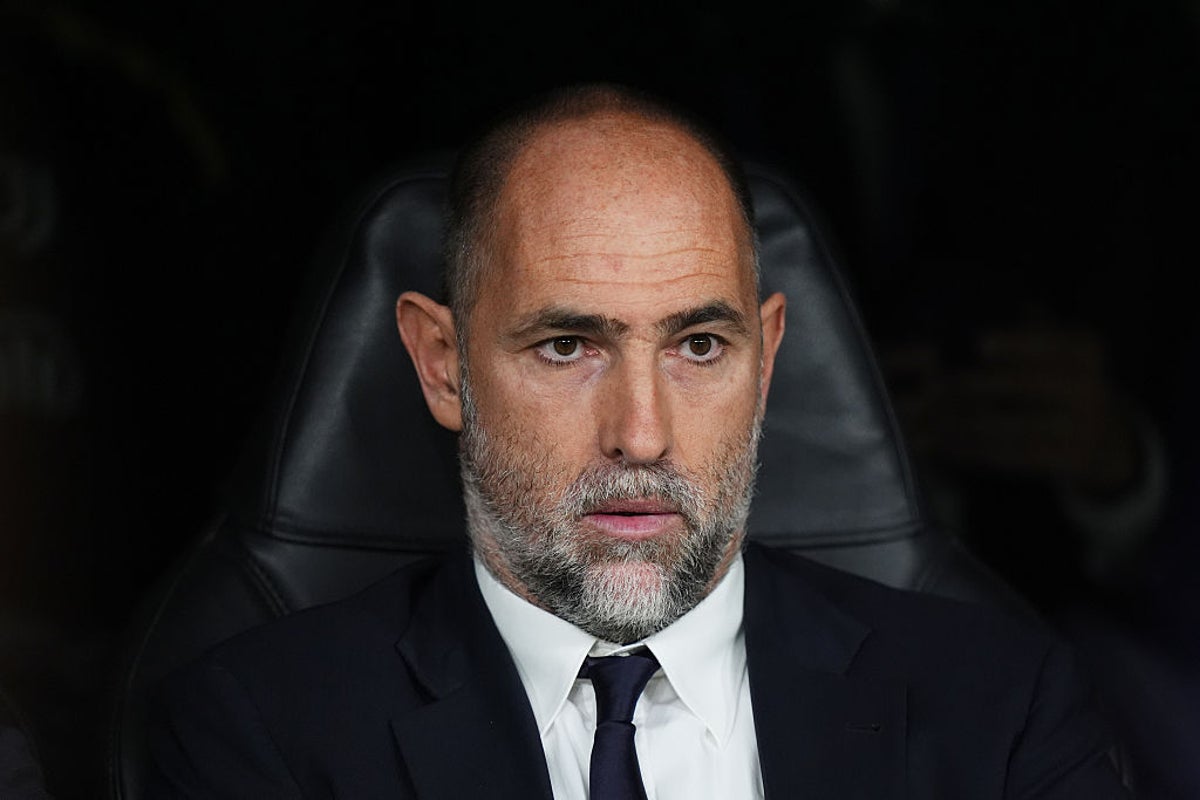
While many football clubs face criticism for clinging to their pasts, Tottenham Hotspur seems to have taken this tendency to a whole new level by opting for an even more distant historical figure. Named after the 15th-century warlord Harry Hotspur, the club has now appointed Igor Tudor as their interim manager—a choice that, while not suggesting any actual lineage to Tudor-era royalty, reflects the hope that he can hold the fort until the anticipated return of Mauricio Pochettino next summer.
This appointment aligns with a contemporary trend at Tottenham: managers often differ starkly from their predecessors. If Thomas Frank began to feel too much like a Brentford coach, Tudor arrives from a well-regarded background—his last managerial stint was with Italy’s Juventus, alongside previous roles at Marseille and Lazio, each demanding high-pressure experiences.
Encouragingly for Tottenham, Tudor has a proven track record of effecting immediate change. With 12 league matches left this season, his past success includes guiding Lazio to five wins in their last nine games after taking over, moving them from ninth to seventh. Similarly, at Juventus, he managed to secure five victories in nine games which propelled the team from fifth to fourth place, earning a spot in the Champions League—although his dismissal shortly thereafter casts some uncertainty over his methods.
Tottenham, currently languishing in 16th place, faces a critical juncture. With no wins in eight matches and just two in 17, their primary goal must be to avoid dropping out of the Premier League for the first time since their promotion in 1978. Tudor’s challenge will be heightening the team’s performance, particularly given their considerable injury woes. His first matchup? A north London derby—an opportunity to initiate a turnaround reminiscent of Martin Jol’s debut, a high-scoring loss that nonetheless led to an eventual rebound.
The prospect of success may be complicated by Tudor’s unfamiliarity with the Premier League. When he took over at Lazio, he had already built a significant understanding of Serie A and had previous managerial experience. In contrast, Tudor is a newcomer to Tottenham and English football entirely, and there are concerns about how effectively he can adapt. Other newcomers, like Croatian manager Ivan Juric, faced challenges in the Premier League that resulted in his relegation from Southampton, casting doubt on Tudor’s potential for success.
Tottenham’s experience with interim managers hasn’t been particularly strong either. Cristian Stellini’s tenure was short-lived, marked by a stunning defeat against Newcastle, while Ryan Mason’s two stints produced modest results. The current situation is stressful, exacerbated by the uncertainty surrounding player availability—at one point, Tudor could begin his term missing a dozen key players.
Tudor may not have the same favorable conditions as others entering their new roles, lacking the initial enthusiasm that benefitted figures like Michael Carrick. For Spurs, this situation may seem like the last resort after other nostalgia-driven candidates were passed over. Thus, they are placing their hopes in Tudor—a new kind of Tudor, one they hope won’t lead to a tumultuous reign.