



What makes a game legendary? Is it the collective memory of where fans were during the event? Perhaps it’s the existence of a dedicated Wikipedia entry or its significance as a pivotal moment in football history?
Exactly 22 years ago today, a particular match checked all those boxes for Roman and Italian football enthusiasts. It’s known as the “Derby del bambino morto” (English: “Derby of the Dead Child”).
Advertisement
Leading up to the Rome derby, the atmosphere was anything but ideal. Both clubs faced severe financial difficulties, and tensions between the police and supporters had been mounting for an extended period. On March 21, 2004, before the match even kicked off, clashes erupted between fans and police.
The game began as usual, but as halftime approached, unrest grew in the stands at Stadio Olimpico. Within minutes, rumors spread that police had run over a child outside the stadium, possibly leading to the child’s death. Spectators had reportedly seen a child covered by a white sheet, which was later confirmed by various media outlets.
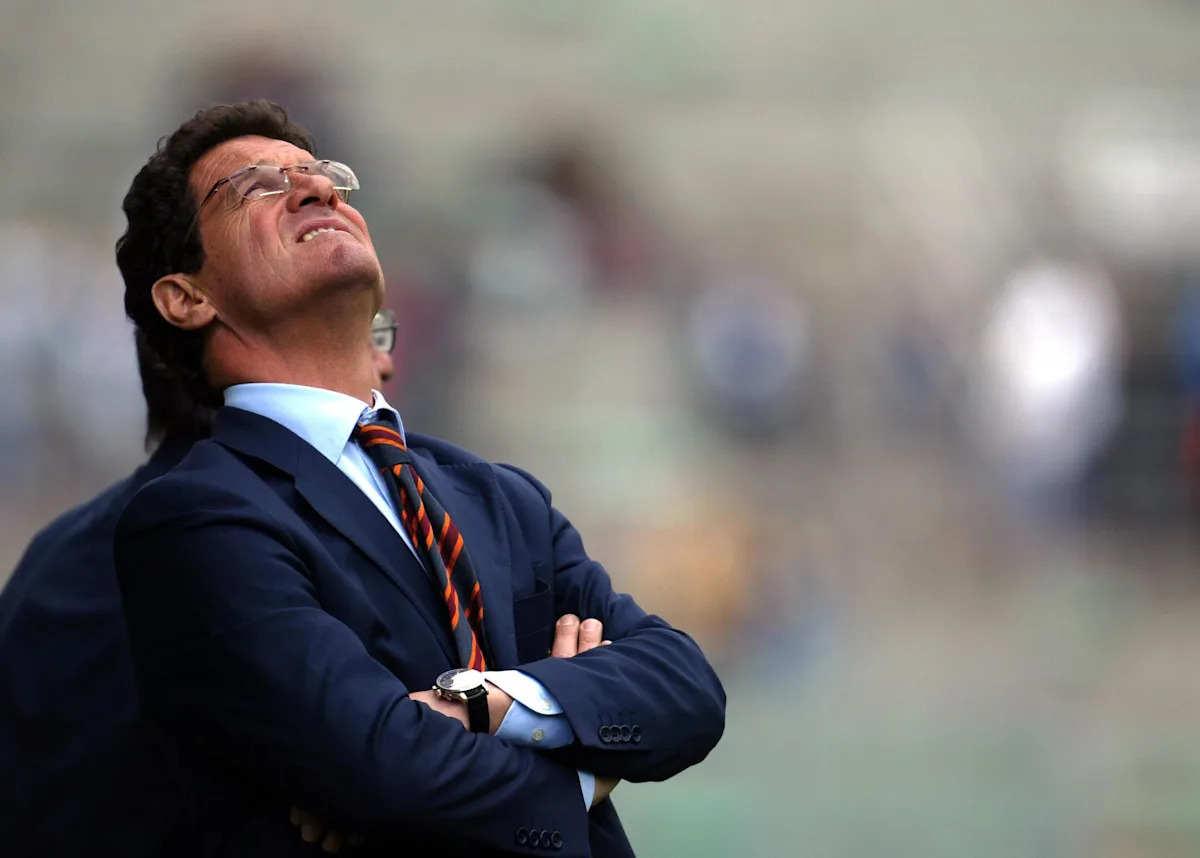
As word of the incident circulated, prominent figures within the Roma fan base reacted swiftly, storming the pitch in the 47th minute, according to a report by ‘Spiegel’ two days after the derby. The supporters called on Roma legend Francesco Totti to persuade the team and officials to abandon the match immediately. Totti approached his then-coach, Fabio Capello, and famously declared, “If we continue playing now, they will kill us.”

📸 AFP – 2004 AFP
Advertisement
After extensive discussions and a phone call between referee Roberto Rosetti and Adriano Galliani, the then vice-president of the Italian league, the match was officially called off 20 minutes later. However, the chaos was only beginning.
Both Roma and Lazio fans, momentarily united by their anger, turned against the police, leading to what eyewitnesses described as civil war-like clashes that lasted well into the night. Despite multiple announcements in the stadium confirming that no child had been harmed, the violence continued to escalate.
In total, up to 174 police officers and 21 fans were reported injured. It is believed the actual number of injured fans may be higher due to the extensive use of tear gas and fears of being identified by police in hospital.
As for the child under the white sheet? Reports later revealed that the boy had been affected by tear gas and was covered to shield him from the lingering irritant. Investigations confirmed that no child had died.
Advertisement
In the aftermath, some believed there was a conspiracy at play, an idea suggested by police and others, but it could not be substantiated. Allegations surfaced claiming that Roma and Lazio fans had orchestrated events to assert their dominance over law enforcement. However, these conspiracy theories were ultimately dismissed in court three years later after a thorough investigation.

📸 STR – 2004 AFP
Ultimately, this match ushered in a significant shift. Security measures at Italian stadiums tightened dramatically, further straining the already troubled relationship between fans and police. Fans were subjected to increased video surveillance, more stringent security checks, and the introduction of personalized, non-transferable tickets, all of which significantly altered the culture of fan life in Italy.
Advertisement
The game has since inspired books and is etched in the memories of those who witnessed it — it even has its own Wikipedia page. Despite the many missteps that occurred that day, it has become a legend, serving as a somber reminder for all.
This article was translated into English by Artificial Intelligence. You can read the original version in 🇩🇪 here.