



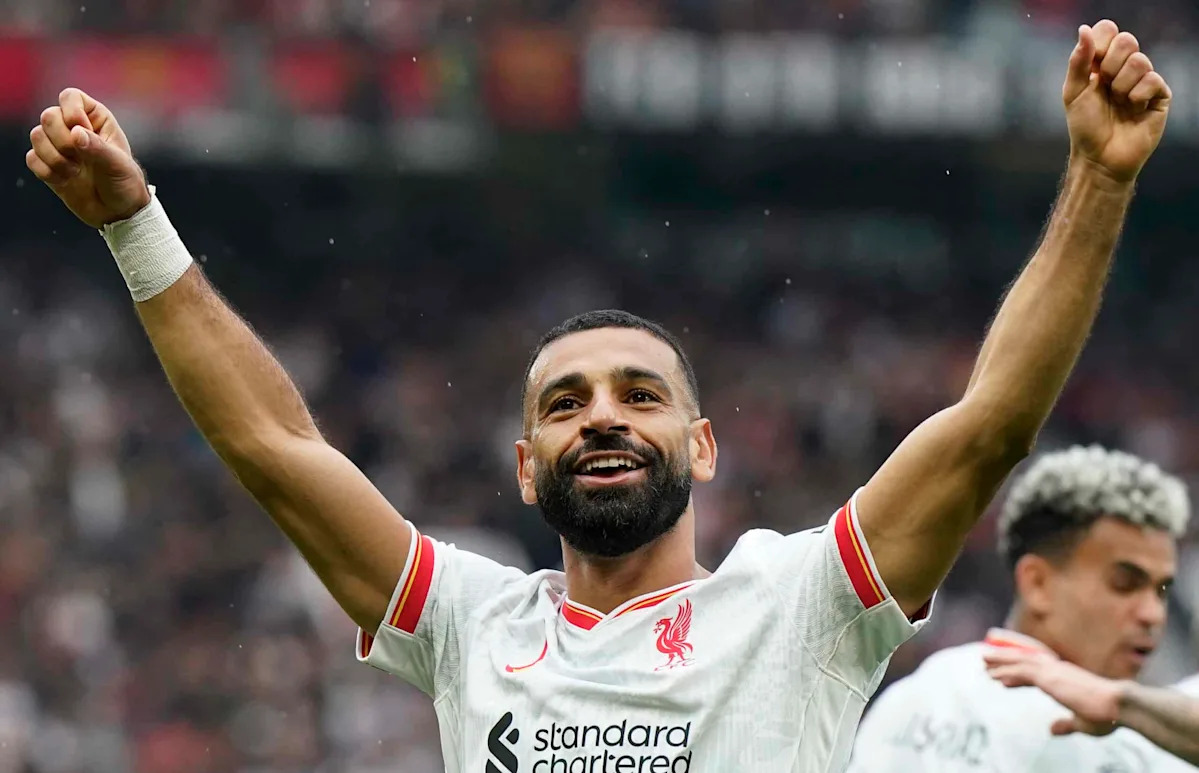
Mohamed Salah’s Departure Indicates Financial Shift at Liverpool
When a player of Mohamed Salah’s caliber approaches the exit, emotions often take center stage. However, as initially reported by The Athletic, the more pressing narrative at Anfield revolves around financial pragmatism rather than sentimentality.
Advertisement
Liverpool is poised to lose not just an iconic player but also a significant financial asset.
Wage Bill Relief Takes Center Stage
“The club will no longer be responsible for paying the highest wage in their history.” This statement succinctly underscores the situation. Salah’s reported weekly salary of £400,000 positions him among the top earners in football, and when including bonuses, the annual financial impact is substantial.
Considering the two remaining years of his contract, the extent of Liverpool’s financial commitment becomes apparent. His departure effectively cuts that obligation in half, resulting in a considerable recalibration of expenses.
Advertisement
Additionally, there’s a sporting aspect to consider. As mentioned, “Salah’s performance has noticeably dipped this season.” While clubs seldom say it outright, financial decisions often correlate with on-field performances.

Photo: IMAGO
Transfer Spending Introduces New Challenges
Liverpool’s recent recruitment efforts further complicate matters. Under Arne Slot, the club has approved spending exceeding £400 million. Coupling this with high-profile contract renewals for stars like Virgil van Dijk, the wage structure has escalated significantly.
“The Athletic estimated that Liverpool’s combined transfer and wage commitments for new signings exceeded half a billion pounds.” This figure indicates not just immediate ambition, but also long-term financial vulnerability.
Advertisement
Contemporary contracts, often spanning five or six years, bind clubs to financial obligations that extend far beyond the initial excitement of a transfer. The cumulative cost is not limited to the transfer fee; it encompasses the lasting financial burden that follows.
Reliance on Champions League Revenue Heightens Risks
Liverpool’s financial strategy now heavily depends on their participation in the Champions League, a reality that heightens the stakes.
“In 2023-24, earnings from UEFA prize money fell by £50 million, and the club recorded a staggering pre-tax loss of £57.1 million.” This statement illustrates the risk involved—missing out on European competition is more than a mere inconvenience; it poses a structural challenge.
In contrast, their current campaign has already generated about £95 million, with the possibility of further increases. Failing to qualify for the next season would create a significant shortfall, one that even a club of Liverpool’s historical standing cannot afford to overlook.
Advertisement
In this context, Salah’s departure appears less like an emotional loss and more like a calculated move. Shedding a substantial salary while anticipating a potential drop in revenue seems far from coincidental.
Calculated Timing Behind Salah’s Exit
It seems this decision was part of a broader strategy. Allowing veteran players to see out their contracts has been a common practice, yet expediting this process indicates a sense of urgency.
“With financial regulations increasingly targeting player expenditures,” adaptability becomes crucial. Liverpool is not unique in facing these circumstances, but their recent spending has left little room for error.
Advertisement
Thus, Salah’s exit represents more than just an ending; it serves as a financial lever being operated at an opportune moment.
Our Perspective – Analysis from Anfield Index
From a fans’ viewpoint, this development feels disconcerting. While the finances add up—suggesting the club is acting responsibly—football seldom thrives on financial spreadsheets alone.
Letting go of Mohamed Salah is not akin to parting with a squad player; it’s the departure of a generational talent who has been pivotal in key moments and has supported Liverpool through transitions. Despite concerns over “Salah’s declining impact this season,” there is unease about what comes next.
Advertisement
Timing also raises concerns. Sitting fifth in the league with Champions League qualification in jeopardy intensifies these worries. If revenues falter and Salah is no longer part of the squad, what happens to the attacking prowess?
While fans can comprehend the logic of the decision, particularly given the rise in wage expenditure, lingering doubts remain. Have Liverpool acted proactively, or are they bracing for a financial downturn that could constrain their future ambitions?
Under Arne Slot, the project is still taking shape. Parting ways with a proven match-winner at this juncture introduces an element of risk. Supporters will hope that the financial savings are reinvested wisely, rather than merely maintaining the status quo.
Ultimately, while fiscal considerations dictate strategy, success at Anfield has always been measured by trophies, not balance sheets.