



Aston Villa is in the home stretch of the 2025/26 Premier League season, currently holding the fourth position on the table. They have established a five-point cushion over fifth-place Liverpool, significantly improving their chances of qualifying for next year’s Champions League. Under the management of Unai Emery, the club has remained in the top-four discussion for two consecutive seasons.
A recent 2-0 victory against West Ham, along with the returns of John McGinn and Youri Tielemans from injury, has infused the squad with renewed confidence as they approach the final matches of the season. Furthermore, Arsenal’s latest success has confirmed that the Premier League has earned an additional UEFA European Performance Spot, meaning a top-five finish is now sufficient for Champions League qualification. This development dramatically alters the stakes for Villa.
Advertisement
Keith Wyness Issues a Stark Warning Regarding Morgan Rogers
With the stakes this high, former Aston Villa CEO Keith Wyness has clarified the significance of Champions League football for the club’s summer transfer strategy. In an appearance on Football Insider’s Inside Track podcast, Wyness, who previously managed Everton from 2004 to 2009 and now advises top clubs, warned that failing to secure top-tier European competition could lead to the loss of their most creative players. He emphasized that qualifying for the Champions League is crucial to avoiding a difficult sale of Morgan Rogers. While he observed that fans might not mind the departure of a few fringe players, losing Rogers would be a significant blow.
“Qualifying for the Champions League is essential; it could help prevent a sale like that of Morgan Rogers,” he stated. “There are five or six players in the Villa squad whose departures wouldn’t be overly missed. They could generate some funds to refresh the squad, which would be beneficial.”
Advertisement
“The key is to avoid selling players like Morgan Rogers. That’s why Champions League qualification is vital for Villa as they continue to build for the future, incorporating younger talent and rejuvenating the squad. There could be at least four or five players who may leave, and I don’t believe the fans would oppose any of those changes. They could be replaced adequately, making Villa even stronger. Ultimately, it all comes down to the Champions League.”
This season, Rogers has demonstrated his scoring prowess, netting eight goals in 31 Premier League appearances, with six goals scored away from home. He has a total of 13 goal involvements (goals and assists), averaging 0.42 per 90 minutes. His underlying statistics are even more impressive, boasting a non-penalty expected goals (npxG) of 0.36 per 90, which totals 11.03, placing him in the 91st percentile among all Premier League players. (Source: Footystats)
Does Aston Villa Have the Depth to Survive a Rebuild Without Rogers?
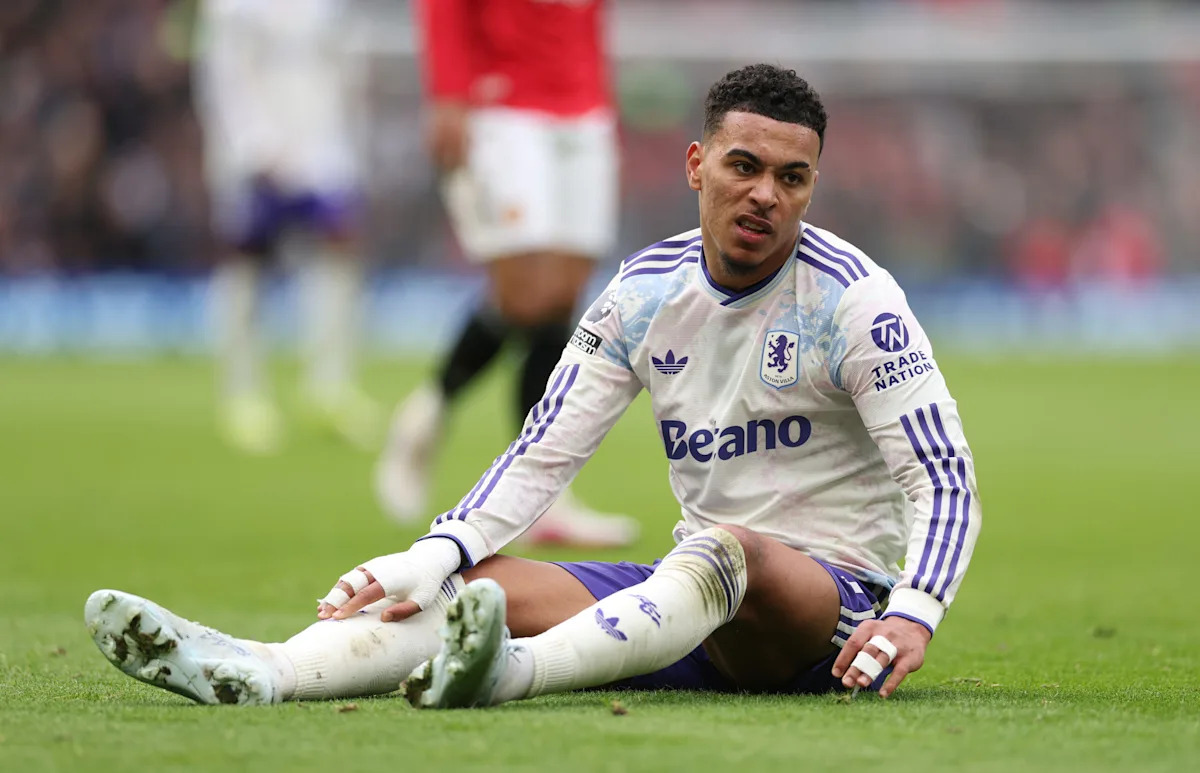
MANCHESTER, ENGLAND – MARCH 15: Morgan Rogers of Aston Villa appears on the pitch during the Premier League match against Manchester United at Old Trafford on March 15, 2026. (Photo by Lewis Storey/Getty Images)
Advertisement
Wyness rightly underscores that Rogers represents a pivotal asset Villa cannot afford to lose. However, a broader question remains: Does the club have the infrastructure in place to support sustained Champions League aspirations, or are they merely chasing it from season to season? Villa is navigating a challenging financial situation, having invested £69.5 million this season while generating only £42.8 million in revenue. This gap indicates a precarious position where losing an elite performer like Rogers could result in a severe decline in performance.
The fringe players Wyness believes can be sold may fetch some value, but none can replicate the direct impact and creativity that Rogers contributes in the final third. While securing a Champions League spot addresses the immediate concern of retaining him, Aston Villa will eventually confront the harsh reality: if they rely solely on individual brilliance instead of building overall squad depth, they risk finding themselves in the same precarious position each summer. Securing a spot in the top five may be the desired outcome, but if Emery does not receive consistent investment, it merely postpones the inevitable challenges ahead.