



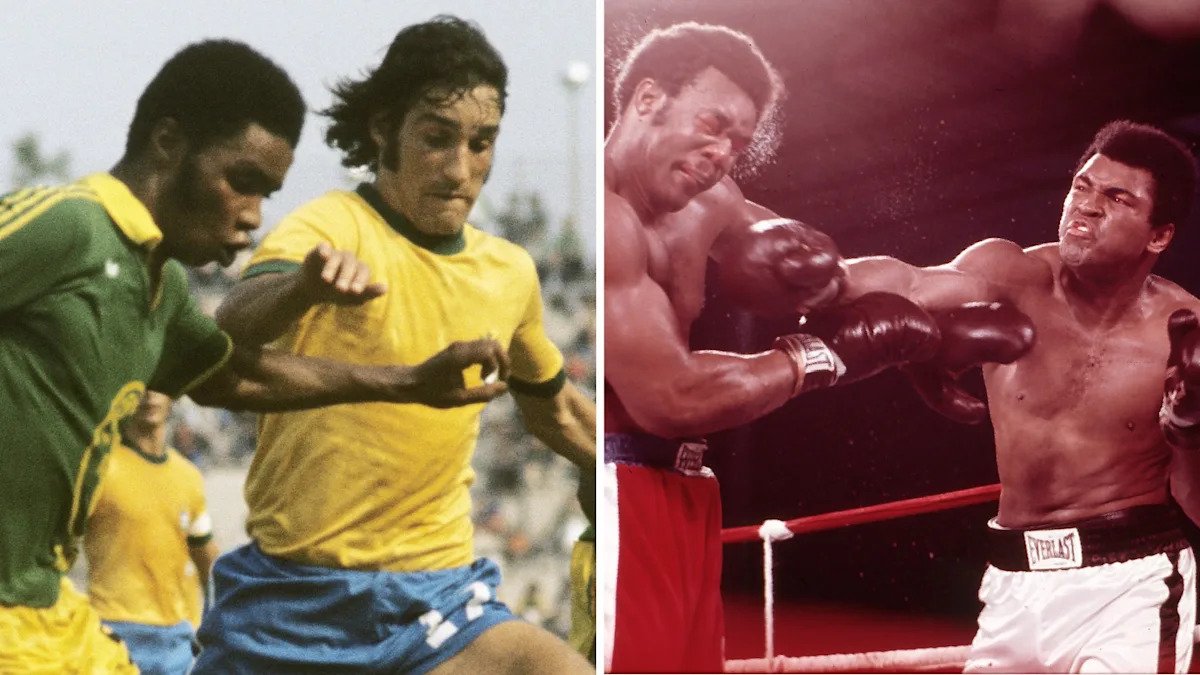
DR Congo’s debut in the FIFA World Cup in 1974 was marked by disappointment, suffering three defeats while conceding 14 goals without scoring any. This marked the country, then known as Zaire, as the first representative from sub-Saharan Africa to reach the finals, but their journey was quickly overshadowed by the results. The team lost 2-0 to Scotland, suffered a staggering 9-0 defeat against Yugoslavia, and faced further embarrassment in their final group match against Brazil.
In a notorious incident late in the match against Brazil, with Zaire trailing 2-0, defender Mwepu Ilunga made headlines for his unexpected actions. He sprinted out from the defensive wall as the Brazilian side prepared for a free kick and sent the ball soaring downfield, earning himself a yellow card in the process. This sparked ridicule and assertions that Zaire’s players were unfamiliar with the game’s rules. Decades later, Ilunga explained that his actions were intended as a form of protest: “I was aware of football regulations. I did it on purpose,” he remarked in a BBC interview in 2010.
Later that same year, attention shifted back to Zaire, specifically its capital Kinshasa, during a monumental event in sports history. President Mobutu Sese Seko spent lavishly to host the heavyweight boxing match between Muhammad Ali and George Foreman, famously known as the Rumble in the Jungle. Journalist Justin Kabala Mwana, who covered the fight, remembered it as a media triumph for Mobutu, bringing the spotlight to his country.
Now, 52 years after both a dismal World Cup performance and a celebrated boxing match, DR Congo is set to face England in the Round of 32 at the current World Cup, with many hoping this match will symbolize a moment of unity and pride for a nation long impacted by strife and corruption.
Revival After Independence
After gaining independence from Belgium in 1960, Zaire witnessed turmoil when Mobutu seized power in a military coup in 1965 and later renamed the country. Despite the economic struggles his reign brought, which saw a drastic fall in copper prices and fuel shortages, Zaire’s footballers thrived. The national team claimed three African club titles and the Africa Cup of Nations in both 1968 and 1974, leading to their World Cup qualification.
In recognition of their achievements, Mobutu showered the Leopards team with rewards, providing them with housing and cars while ensuring they were prepared for the World Cup. “President Mobutu took us under his wing,” stated former Zaire striker Mayanga Maku. “We dedicated ourselves to the national team without distractions from our clubs.”
Challenges of Payment
However, despite their accolades, the team’s morale was dampened by lack of payment; the players protested against unpaid allowances from FIFA before their encounter with Yugoslavia. Reserve goalkeeper Mohamed Kalambay emphasized the impact of financial recognition on team spirit, stating, “You don’t have the morale to play. And that’s what happened to us.”
The match against Yugoslavia ended in a humiliating defeat, with goalkeeper Kazadi Mwamba substituted early and the team managing to play against Brazil amid further strife. Ilunga’s unforgettable moment of defiance resulted from the frustrations stemming from the team’s situation, as he sought to protest against the mismanagement of players’ finances.
The ‘Fight of the Century’
In stark contrast to the World Cup disappointment, Zaire hosted two boxing legends a few months later. Ali, stripped of his titles for refusing military service during the Vietnam War, was desperate to reclaim them. Mobutu invested $5 million to stage the fight with Foreman, asserting that the dignity of Zaire was worth any cost. The atmosphere in Kinshasa was electric as locals rallied behind Ali during the match. Ali ultimately triumphed, reclaiming his title in a dramatic eighth round knockout.
Kabala recalls the celebrations that followed, noting, “People celebrated throughout the night, drinking and rejoicing for up to 48 hours.” Yet, this happiness did not reflect the ongoing economic struggles of the country.
Years of Hardship
Following Mobutu’s downfall in 1997, the nation was renamed the Democratic Republic of Congo (DR Congo). The ensuing conflicts claimed millions of lives and further devastated the already suffering footballing legacy of the 1974 squad. Ilunga lamented that the players returned “without a penny” and faced dire living conditions.
It took until now for DR Congo to again qualify for the World Cup, working hard to reform and recruit from their diaspora to rebuild the national team, with many players currently based abroad. While previous woes plagued the domestic league under mismanagement, coach Sebastien Desabre has fostered a resilient team spirit since taking charge in 2022.
Creating New Memories
This squad has already accomplished what the 1974 team sought, achieving their first World Cup goal and points against Portugal, followed by a crucial win against Uzbekistan to advance to the knockout stage.
Despite ongoing struggles, including conflict in the east and recent health crises, the current team embodies hope and resilience. Striker Yoane Wissa expressed, “Whenever we wear this shirt, we think of them,” referring to those suffering in their homeland. The players view their achievements as a means of writing a new narrative for DR Congo.
As Kabala puts it, the upcoming clash against England is “almost” as significant as the Rumble in the Jungle, with the potential for the Leopards to shift the narrative of their footballing legacy.
Compiled by BBC Sport Africa’s Rob Stevens from interviews by Peter Musembi, Lucy Provan, Ian Williams, Alassane Dia, and Celestine Karoney.