



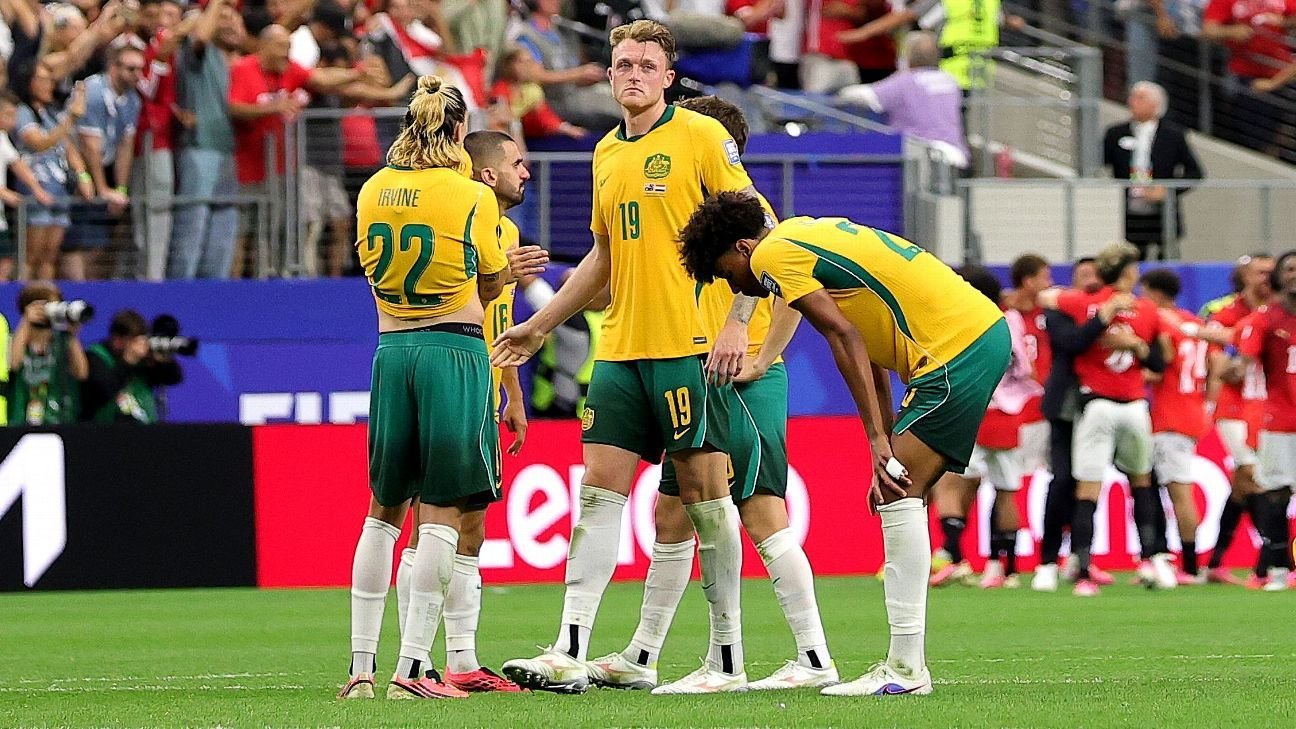
ARLINGTON, Texas — In a dramatic turn of events deep in Texas, the Socceroos experienced heartbreak as they faced Egypt. After being unable to score in 120 minutes of intense play, it was Hossam Abdelmaguid who sealed the win with a crucial penalty during the shootout, propelling Egypt into the FIFA World Cup round of 16, while sending Australia home.
Meanwhile, in Cairo, celebrations erupted as fans rejoiced in this monumental achievement for their football-loving nation. In stark contrast, across Melbourne and Sydney, fans watching from live sites fell into stunned silence, grappling with the reality of elimination.
For the first time, the Pharaohs progressed from a knockout tie, signifying a much-anticipated breakthrough for African football on the global stage. Mohamed Salah, eager to mark his presence in international football, stepped up with an audacious shootout attempt that found its way down the middle of the goal, catching Australia’s goalkeeper Mathew Ryan off guard.
– World Cup bracket: Every team’s route to the final
– Grades for every team eliminated from the World Cup
– Salah leads Egypt to World Cup history with shootout triumph
With four successful penalties, Egypt secured a 4-2 victory in the shootout, despite Harry Souttar and Lucas Herrington both missing their attempts. Notably, Egypt’s goalkeeper Mostafa Shobeir did not register any saves, with Souttar’s shot sailing over and Herrington striking the crossbar.
One lingering question from this match will be the decision to start Ryan as goalkeeper. Patrick Beach had made a fantastic save just before the end of regulation, helping the team reach extra time, and statistically had prevented more goals than any other keeper in this World Cup. This raises the question of why Ryan, known for leadership rather than penalty-saving prowess and who was substituted out in previous penalty shootout scenarios, was chosen in his place. This switch, unknown to both players pre-match, adds an element of mystery to the decision.
However, the scrutiny doesn’t stop there; the choice to send two defenders, including Alessandro Circati, for penalty kicks instead of offensive players like Mohamed Touré and Ajdin Hrustic is equally perplexing. This has ignited frustration among Australian fans who feel entitled to seek clarity from their team about what went wrong.
Yet, the issues plaguing Australia go beyond just penalties; their challenge to score remains pronounced. With Friday’s equalizer stemming from an own goal by Mohamed Hany, it’s been hours since an Australian player last netted a goal in this World Cup, with the last one scored by Connor Metcalfe in their opening match against Türkiye.
Australia’s commitment during this World Cup has been commendable, demonstrating their defensiveness and effort to block shots and intercept passes. However, a lingering issue remains—the inability to consistently generate goal-scoring opportunities or moments of brilliance that can change the game.
In a match that felt winnable for Australia, they ultimately fell short. Egypt too had their missed chances, notably when Omar Marmoush squandered a clear opportunity to extend their lead. There were times in this game where few could argue that the Socceroos didn’t deserve to score.
Was it simply bad luck? Perhaps. Was it a reluctance to shift from their compact style of play? Possibly. Did a young squad, already facing the loss of Jordan Bos due to a serious injury right before halftime, struggle with the physical demands of extra time? That could have played a role. Did Egypt’s resilient and desperate defense succeed in neutralizing Australian threats? Occasionally, yes.
In the end, the reasons for this outcome are multifaceted. Coach Tony Popovic and his team have often referred to their reliance on data and insights to inform their decisions, details they prefer to keep private to maintain a competitive edge. While this approach is justifiable, it leaves those outside the team speculating about the strategies behind their choices.
Australia’s quest for a knockout win in the World Cup extends for at least another four years, marking another missed opportunity in their history. In previous attempts, they were eliminated by the eventual champions: Italy in 2006 and Argentina in 2022. This might provide a sliver of optimism to Egyptian fans with superstitious beliefs, yet it’s unlikely the Pharaohs will mirror this achievement, meaning that this win will not carry the same weight.
This was a match Australia could have won against an opponent not on par with the teams that have eliminated them in the past. Salah played a pivotal role, albeit hampered by a hamstring injury most of the match, reflecting Egypt’s strategy to have their inspirational figure on the pitch. The two talents, Nestory Irankunda and Touré, haven’t played together since the victory over Türkiye.
Questions about this loss, however, are best saved for tomorrow as they grapple with the heartbreak of today.