



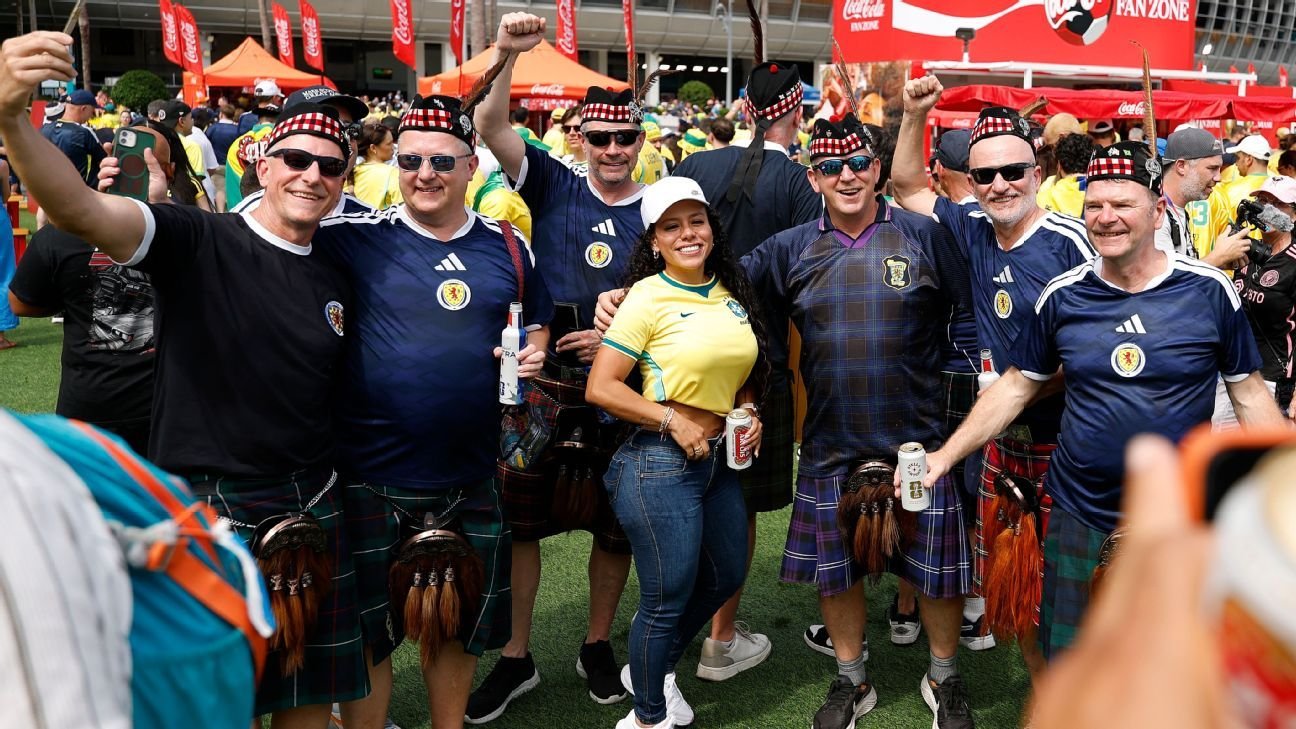
The FIFA World Cup has sparked a surge in beer sales across the United States, with Boston bars reportedly requiring emergency resupplies to keep taps flowing during game days. According to FIFA officials, fans consumed around 290,000 beers at the six matches held in Philadelphia.
However, beneath the celebratory atmosphere lies a challenging reality: beer sales are experiencing a downturn worldwide, casting doubt on whether the prestigious soccer tournament can reverse this trend, even with three host countries and 16 cities involved this year.
In the U.S., beer consumption has decreased steadily over the past decade, as reported by the Brewers Association, which represents craft brewers. A similar trend is reported in Canada, according to its national statistics agency, and the Brewers of Europe trade association indicates a comparable decline within the European Union.
Consumers are trending away from traditional beer, opting instead for “wellness” beverages, with many reducing alcohol intake for health purposes. Notably, a Gallup poll last year indicated that for the first time, a majority of Americans—53%—believed that consuming “one or two drinks a day” was detrimental to health.
The arrival of the World Cup and the influx of enthusiastic soccer fans from around the globe, eager to support their teams and partake in shared celebrations, has brought some relief.
Despite some price shock for fans unfamiliar with U.S. drink prices, the first four weeks of the tournament saw beer sales in bars, restaurants, and stadiums in host cities rise by 14% compared to the previous year, according to the Beer Institute. Even beyond host locations, sales increased by 4% nationally.
Jim Koch, founder and CEO of Boston Beer Co., which produces Samuel Adams and other brands, mentioned that they had to make two emergency deliveries to their Sam Adams Boston Taproom on the first day Scotland supporters arrived.
“At one point, we were serving a Sam Adams Boston Lager every 12 seconds. What a fantastic group of people,” he shared.
What truly delighted Koch was the atmosphere among the fans.
“I didn’t spot anyone on their phones,” he observed. “They had a beer in hand and were engaging with each other. They were doing what beer is meant to do—fostering enjoyment among people.”
The lively scene in stadiums was a noteworthy contrast to the last World Cup held in Qatar, where the sale of alcoholic beverages at match venues was prohibited by the government.
Brewers significantly capitalized on this year’s tournament. AB InBev, the official beer sponsor of the World Cup, supported bars with marketing and organized 200,000 viewing parties across 40 countries.
Molson Coors announced plans to increase its marketing budget by 60% this June and July; they also launched a limited-edition soccer ball designed to hold 12 cans of Miller Lite.
Despite expectations of declining beer consumption in some markets, shares for AB InBev and Constellation Brands—a company that owns the U.S. rights to Mexican beer brands like Corona and Modelo—plummeted after the early exit of Mexico and Brazil from the tournament.
Yet, some are holding out hope that the World Cup will invigorate a collective spirit, reminding people of the joy in gathering to cheer for athletes, particularly with the Summer Olympics set to occur in Los Angeles in 2028. Consumer events are becoming more frequent, noted some analysts; for instance, college and professional football games are now hosted on more nights of the week. Moreover, the beer market is diversifying, with an increase in brands offering low- and no-alcohol options, they added.
This past May, the NCAA lifted its longstanding ban on alcohol advertising during March Madness, allowing beer, wine, spirits, and hard seltzer companies to sponsor the college basketball tournaments for the first time for the upcoming season.
Koch from Boston Beer Co. remains optimistic for the future.
“People tend to worry about the beer industry as it has faced a decline for a few years, but I always remind them that beer has been part of human civilization for over 10,000 years,” he stated. “Beer will always be a key component in enhancing our enjoyment of life and spending time on this planet.”
The World Cup in North America concludes on Sunday in East Rutherford, New Jersey, with Spain facing Argentina in the final. The third-place match will take place the day before in Miami Gardens, Florida, featuring semifinal losers England and France.
This report incorporates information from The Associated Press.