



The impact of Tottenham’s forward planning and smart business will become clearer by the end of the season.
They’ve solidified their place in the WSL and have the off-field resources to start pushing for European football.
Ho has consistently underlined the club’s ambition to compete with the WSL’s best and to build a squad capable of playing in Europe.
With only the top three WSL teams qualifying for the Women’s Champions League—and Arsenal, Chelsea, Manchester City and Manchester United usually occupying those places—it’s a significant leap for Spurs.
They must also contend with big-spending rivals London City Lionesses and Brighton, who share top-three ambitions.
The investment and progress of those clubs have spurred Spurs to act, aware they can’t fall behind as transfer records keep tumbling.
This is also a stage in the women’s game where discussions around financial rules and salary caps are still in their early days.
That gives clubs scope to spend more with little regulatory resistance—though that may change soon.
Tottenham’s summer spend on the women’s team has coincided with an ambitious window for the men, who are trying to rebound from a poor campaign that nearly ended in Premier League relegation.
It reflects a broader strategic shift after chairman Daniel Levy left in September 2025 and further boardroom changes followed.
Vinai Venkatesham arrived as CEO from Arsenal in April 2025, having been instrumental in their women’s success—something he aims to replicate at Spurs.
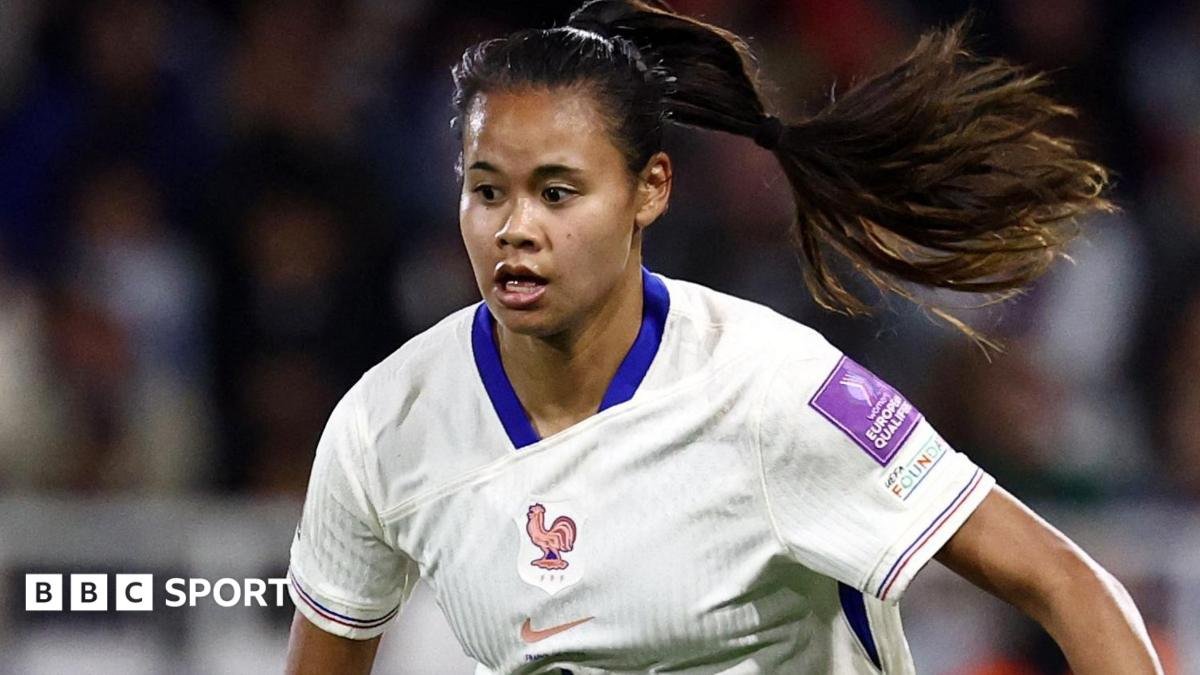
By signing top young European talents such as Gaupset and Sombath and blending them with proven WSL scorers Hanson and Martinez, Tottenham hope to give Ho a squad he can shape and develop.
A major remaining challenge is growing the fanbase: Spurs averaged just 1,734 in the WSL last season, a figure boosted by a few higher-attended matches at the main stadium.