



Liverpool – Transitioning from PSG to Arsenal
The scoreline of Liverpool 5–2 West Ham certainly makes a statement, but the reality of the match was more nuanced upon further analysis.
While the result was resoundingly positive, many fans might overlook the performance itself. The game’s expected goals (xG) were closely matched, with Liverpool at 1.75 and West Ham at 1.84; this wasn’t a domination, but rather an illustration of efficiency that bordered on opportunism. Three first-half goals from set pieces transformed a potentially tense game into a significant victory on paper. However, the underlying statistics tell a different tale.
Advertisement
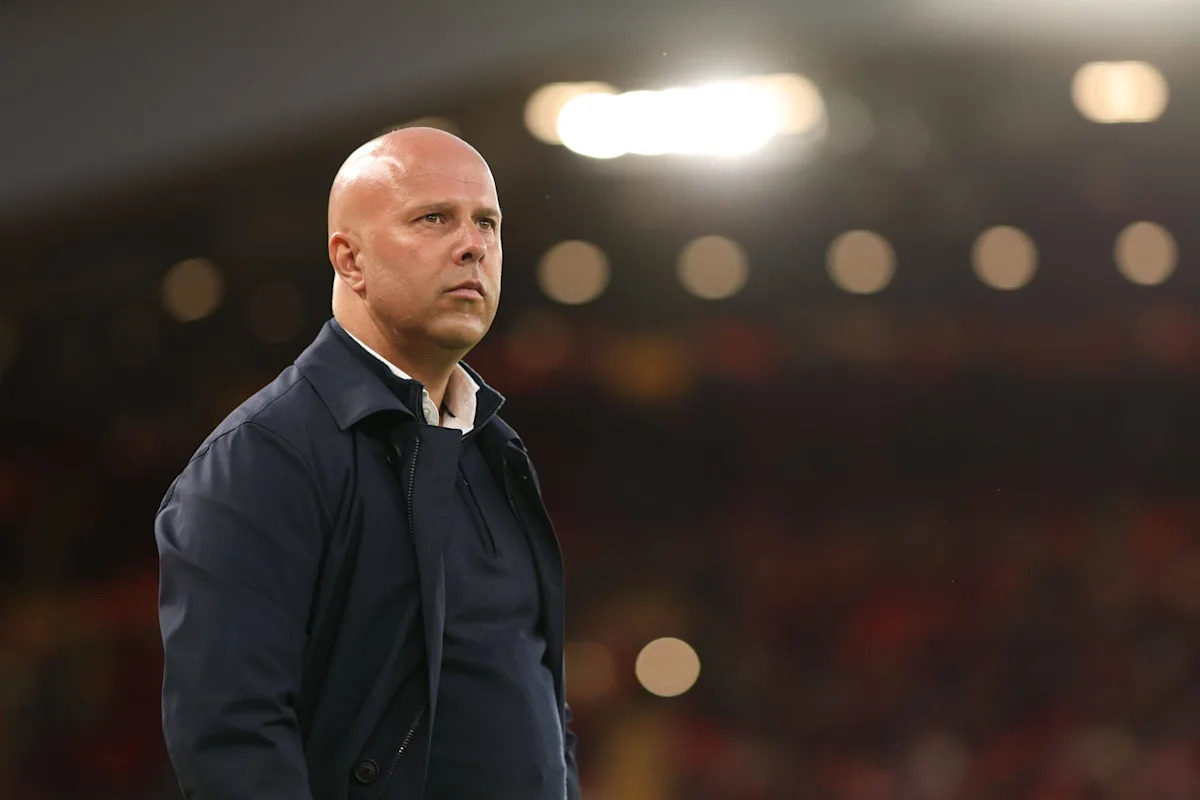
At the campaign’s outset, Liverpool, the reigning champions, seemed intent on adopting a style reminiscent of a toned-down PSG. Under Arne Slot, they appeared destined to evolve into a team built on vertical flair, positional control, and dynamic attacking rotations. This vision was appealing, yet it was flawed by one coach’s infatuation with a style that had previously led to their exit from last season’s Champions League.
In the Premier League, pursuing control without security is a risky luxury. Teams frequently employed low blocks against them, especially following Crystal Palace’s successful strategy in the Community Shield. Opponents set transitional traps, taking advantage of a lack of control in buildup play, particularly exacerbated by the absence of Trent Alexander-Arnold. Many teams willingly ceded territory, confident they could draw Liverpool into chaotic situations, given their lack of a natural defensive midfielder and restricted progressive play from deep.
Ultimately, this strategy backfired, and the entire league learned how to exploit and overcome the reigning champions.
Slot has since adjusted his approach, albeit reluctantly. The initial romanticism of continental fluidity has given way to a more pragmatic style. The evidence is clear: Liverpool has scored nine goals from set pieces since January alone. They are no longer chasing aesthetic superiority; instead, they are leveraging the basics — corners, second balls, and rehearsed plays — as effective tools.
Advertisement
This shift is proving beneficial for the team.
Ironically, following a £450 million summer overhaul intended to boost creativity and technical excellence, Liverpool’s most dependable weapon has now become set-piece situations. While this is functional and necessary, especially amid their current struggles, it also signals a realization that their initial strategy may have been misguided.
The five goals scored against West Ham obscured recurring vulnerabilities. The defensive framework remains susceptible during transitions, the midfield balance fluctuates between control and chaos, and the attacking line can be highly effective one week, yet disjointed the next. This lack of a settled identity results in a series of continual adjustments week by week.
An Identity Crisis Looms
Under Jürgen Klopp, Liverpool embodied intensity paired with intelligence. There was emotion, certainly, but also a clear structure. The chaos was contained, and the pressing was systematic. The team knew its identity.
Advertisement
In contrast, under Slot, the evolution has felt abrupt. What began as control evolved into over-control, which spiraled into chaos. Now, Liverpool finds itself in a tactical limbo, lacking consistent patterns of play.
The shift towards a pragmatic approach similar to Arsenal’s — focusing on managing territory, maximising set pieces, and minimizing risks — has improved results but failed to clarify their identity. The pathway remains obscured, especially without a reliable defensive anchor. Most weeks feel like a toss-up: will Liverpool assert dominance through their structure, or will they unravel under too much exposure?
This ambiguity is why the 5–2 win feels both reassuring and worrisome. The clinical finishing is genuine, and the adaptability commendable. Yet a reliance on isolated moments rather than cohesive tactics is not sustainable at top levels.
And “elite” is the benchmark.
Advertisement
Michael Edwards will not settle for a season merely defined by scrambling to secure a top-five finish. Liverpool is designed not just to participate but to lead. The club has invested heavily to secure the team’s future, not to watch it fluctuate between conflicting philosophies.
There’s a growing sense that this transitional phase might lead to further changes, with Xabi Alonso’s name frequently mentioned. He is associated with structural clarity and a modern balance. Whether realistic or fanciful, this notion reflects an increasing awareness: Liverpool is in search of its identity.
The five goals scored against West Ham may hide some cracks, while set pieces have emerged as a crucial lifeline. Pragmatism has taken precedence over ideology. However, a true, sustainable identity continues to elude them.
This season appears uncoordinated, occasionally brilliant yet also bewildering.
Liverpool is winning matches.
However, they have yet to convince anyone that they truly understand how — or why.